


Charging the Future
Explore our EV charging solutions
The industries we serve
Our customer stories
Latest news and innovation
About SBRS
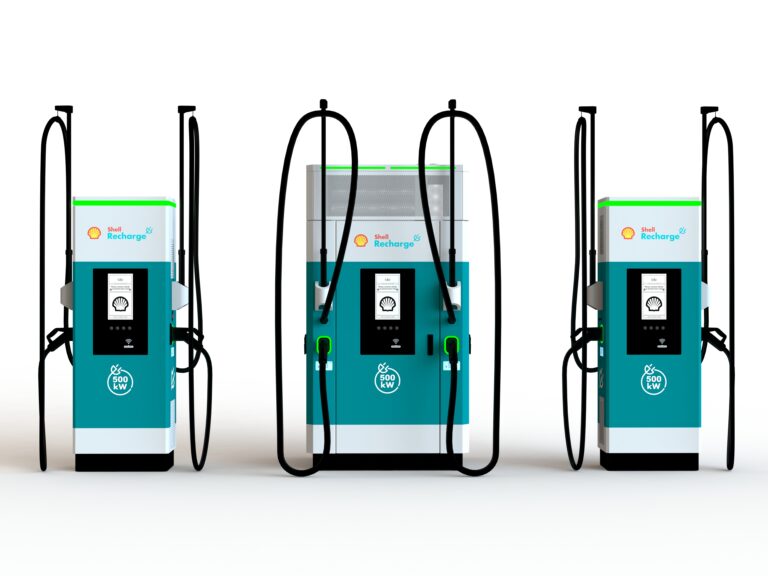
Introducing PowerHub 500: a modular DC charging system for your truck depot – designed to lower your fleet's TCO from day one.
PowerHub 500
Scalable DC charging hardware – purpose-built for heavy-duty fleets
What could your fleet save?
Use the TCO calculator to compare diesel and electric truck costs.
Do you want to understand the full calculation behind your results? Learn more!
Get your detailed TCO result and see where you can save
Do you want to understand the full calculation behind your results? Learn more!
Indicative results based on model assumptions
This calculator provides indicative savings estimates for fleets investing in depot charging infrastructure. The model reflects the impact of depot optimisation, smart charging and energy management across Shell’s integrated network.
To explore the broader framework behind these results, learn more about Shell’s Integrated Charging Network.
If you have questions — or don’t yet have a depot solution in place — contact us and we’ll help you explore the right next steps.
Keep up to date with the latest SBRS news and innovation shaping the future of eMobility.





















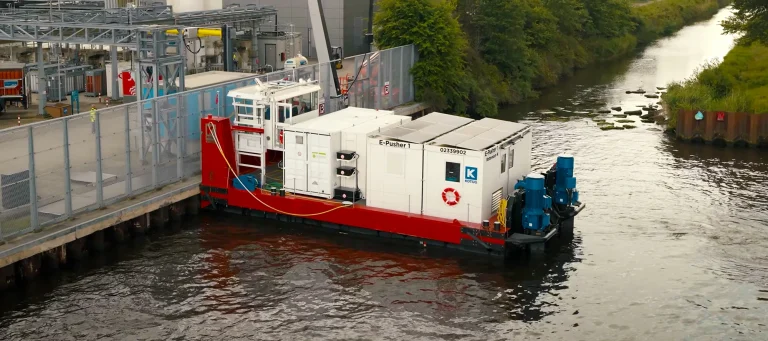
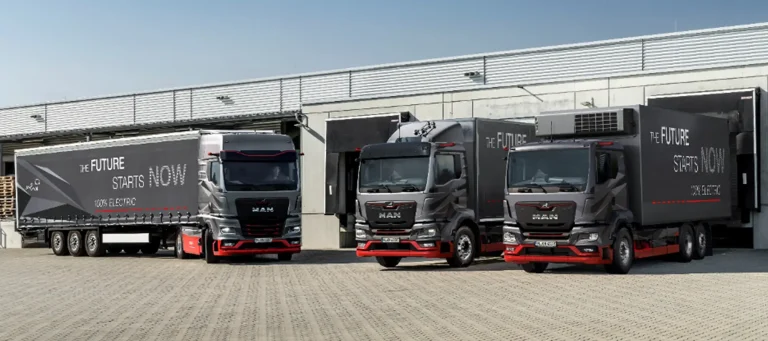

Our business today
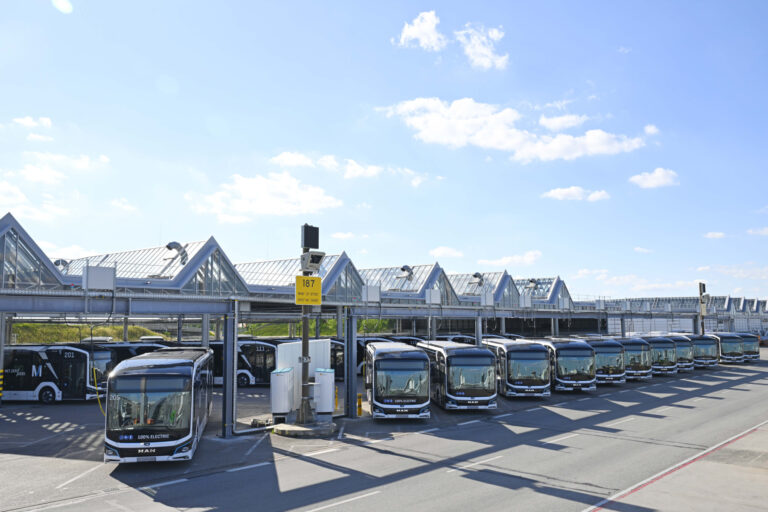
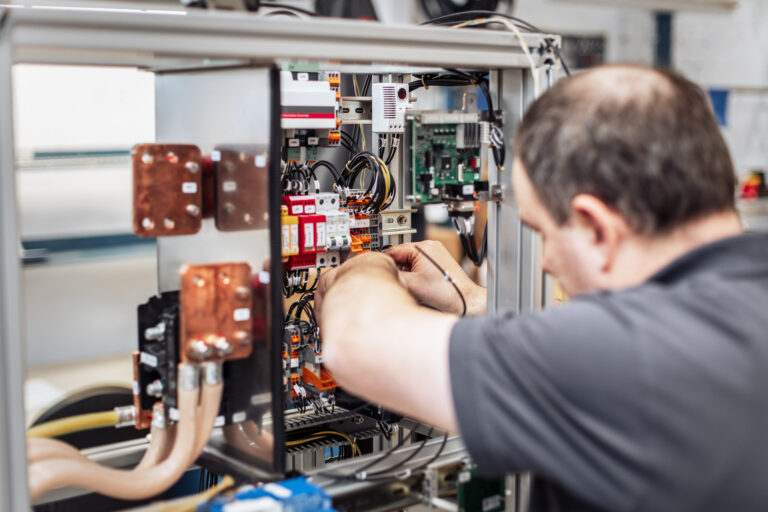
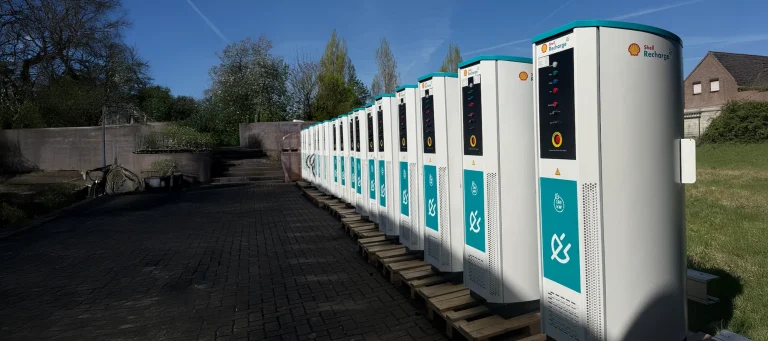
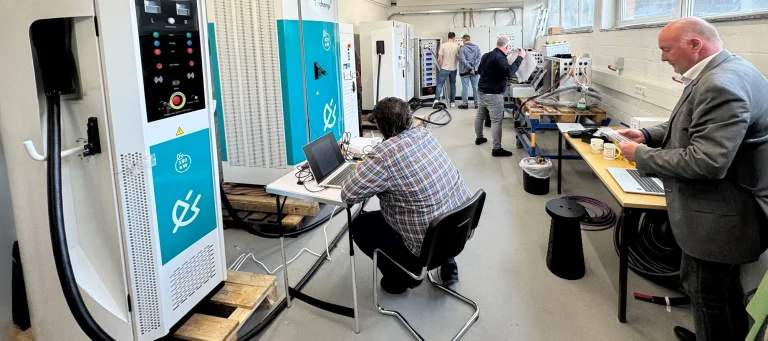
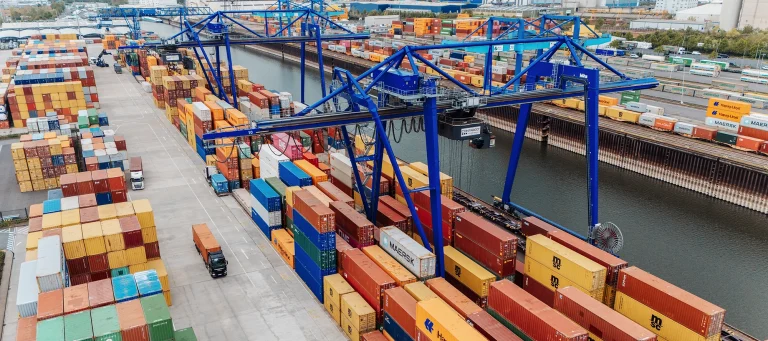
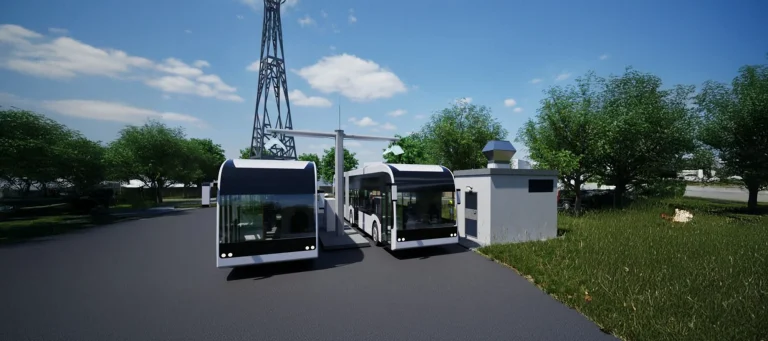
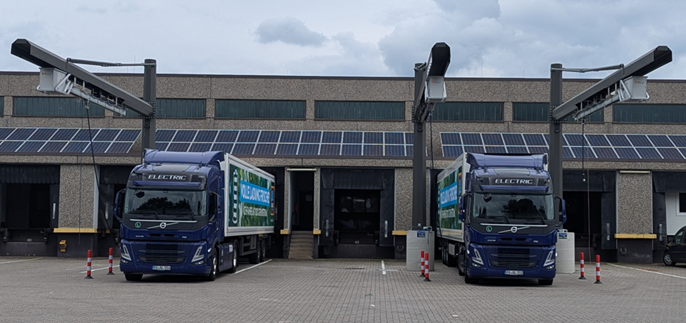
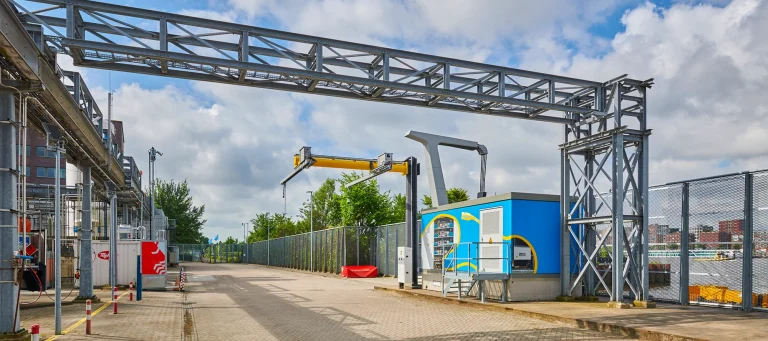
We deliver high-performance EV charging solutions. Private companies and public transport operators rely on us to design and build infrastructure that shapes the future of electric transport.
tons of CO₂ and counting (since April 2019)*
* All charging stations connected to the system report the total amount of energy fed into the bus fleet. The CO₂ savings are calculated from this figure. The calculation works as follows: Based on the German electricity mix (as of 2019), one kilowatt-hour of charged energy produces 401 g of CO₂ per kWh. At a consumption of 150 kWh/100 km (average value for an electric bus), this results in 60 kg of CO₂ per 100 km. A diesel bus consumes an average of 50 l of diesel per 100 km, producing 130 kg of CO₂. The saving therefore amounts to 700 g per km, or 466 g/kWh. Over the course of a week, the amount of energy delivered to the buses by our charging stations is totalled up. At the end of the week, the CO₂ savings are calculated from this and added to the value reached so far. The initial value was derived from the total kilometres driven by all electric buses charged with Schaltbau charging stations (today SBRS) since 1 April 2019.
countries active
cities
depots (bus and truck)
fast depot chargers installed

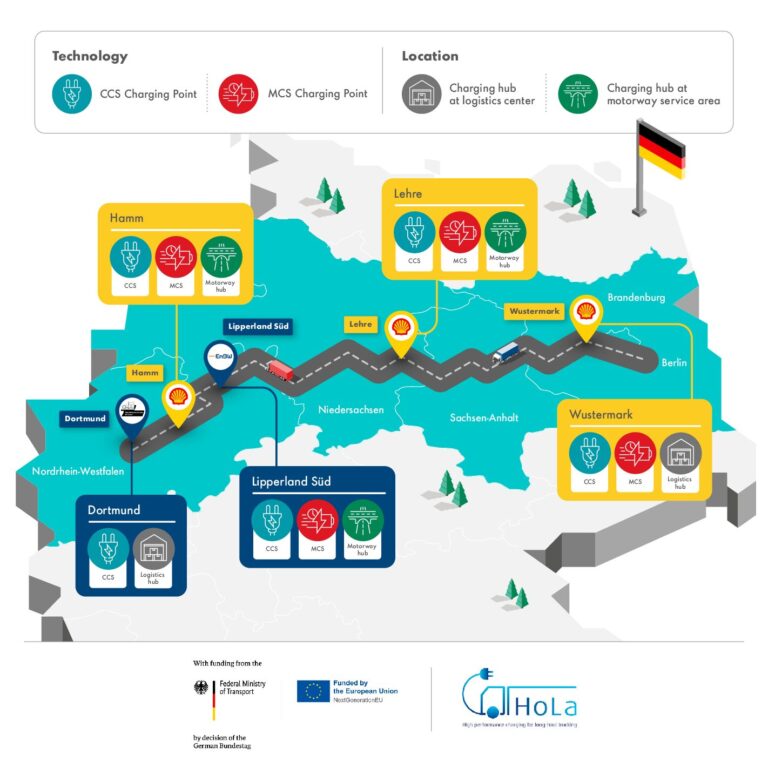
Shell’s integrated EV charging network
A shared charging network: Accelerating electrification for Europe’s heavy-duty fleet
Shell’s integrated EV charging network connects public, private, and semi-public infrastructure across Europe into a shared system, giving heavy-duty fleet operators more flexibility and control.
Find out how to transition to EVs successfully

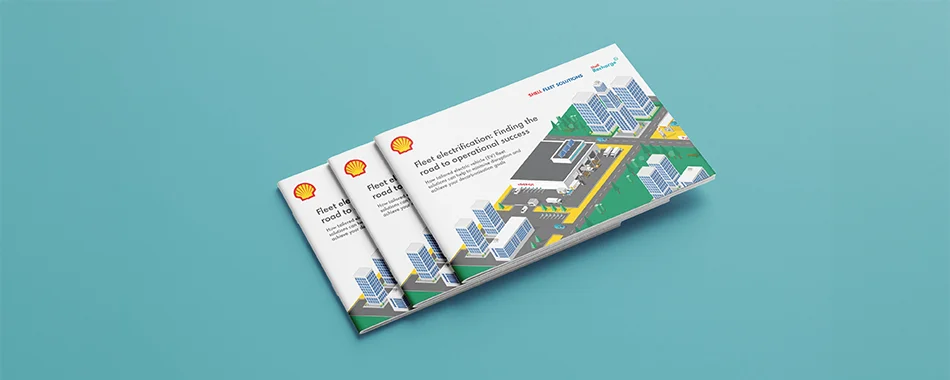
Contact us
Questions about your fleet?
We’re here to support you.