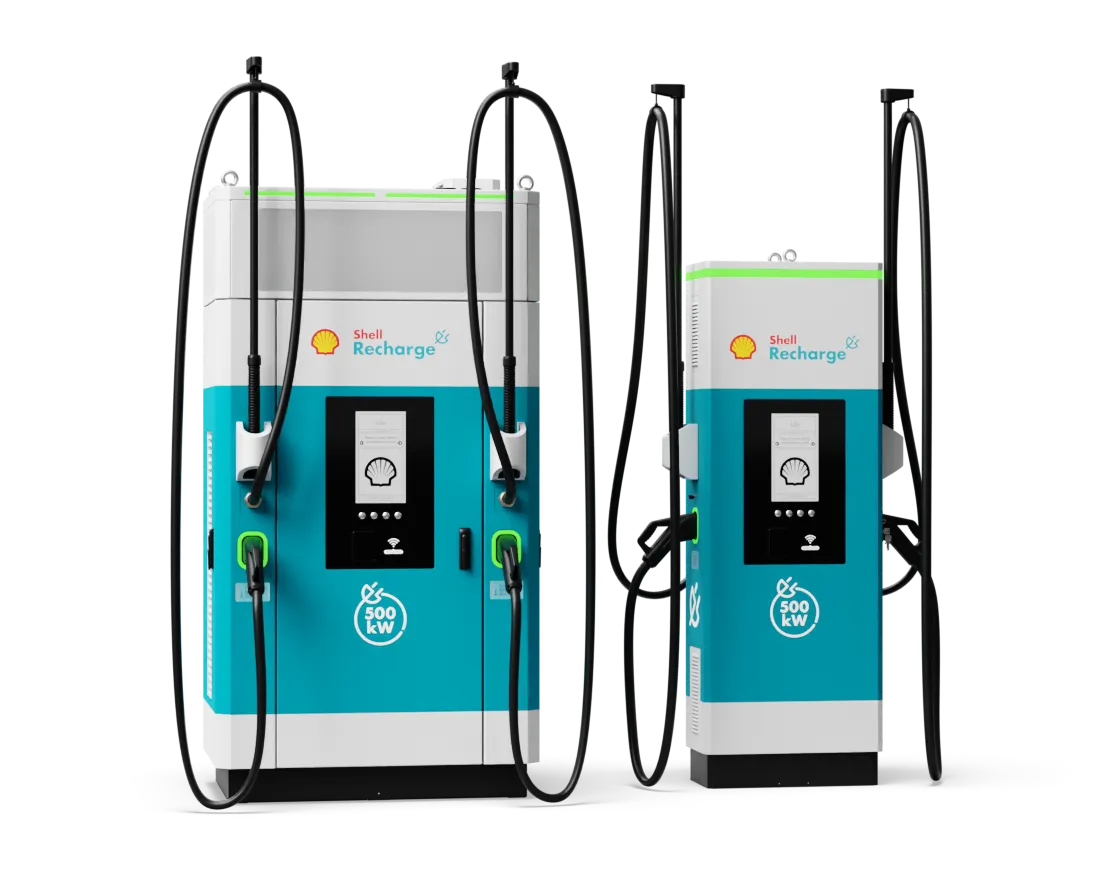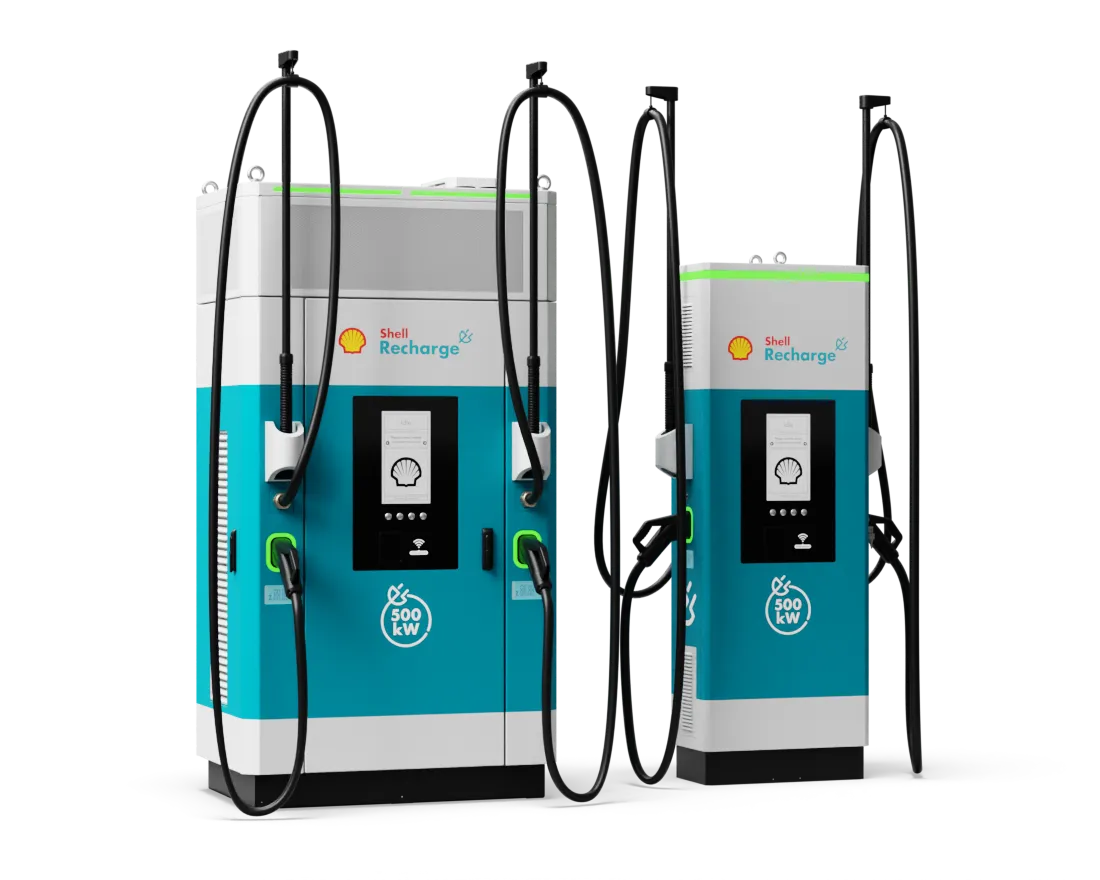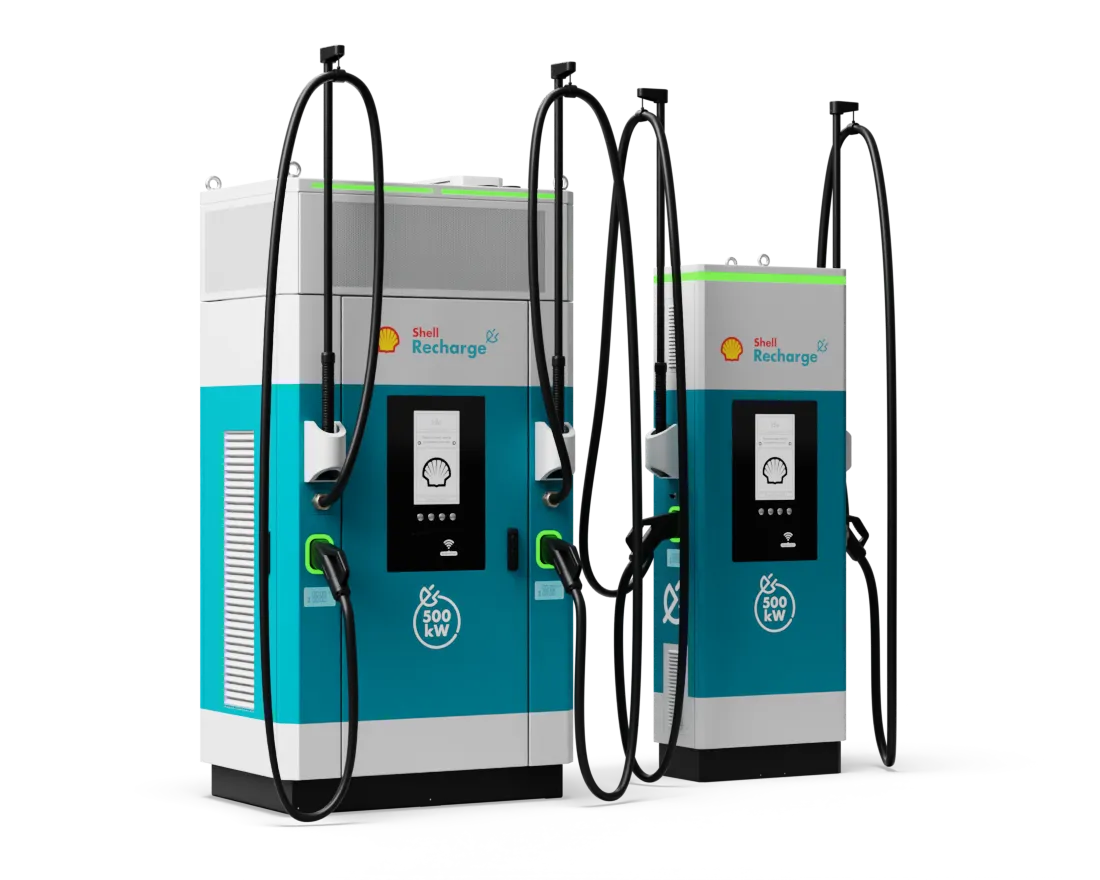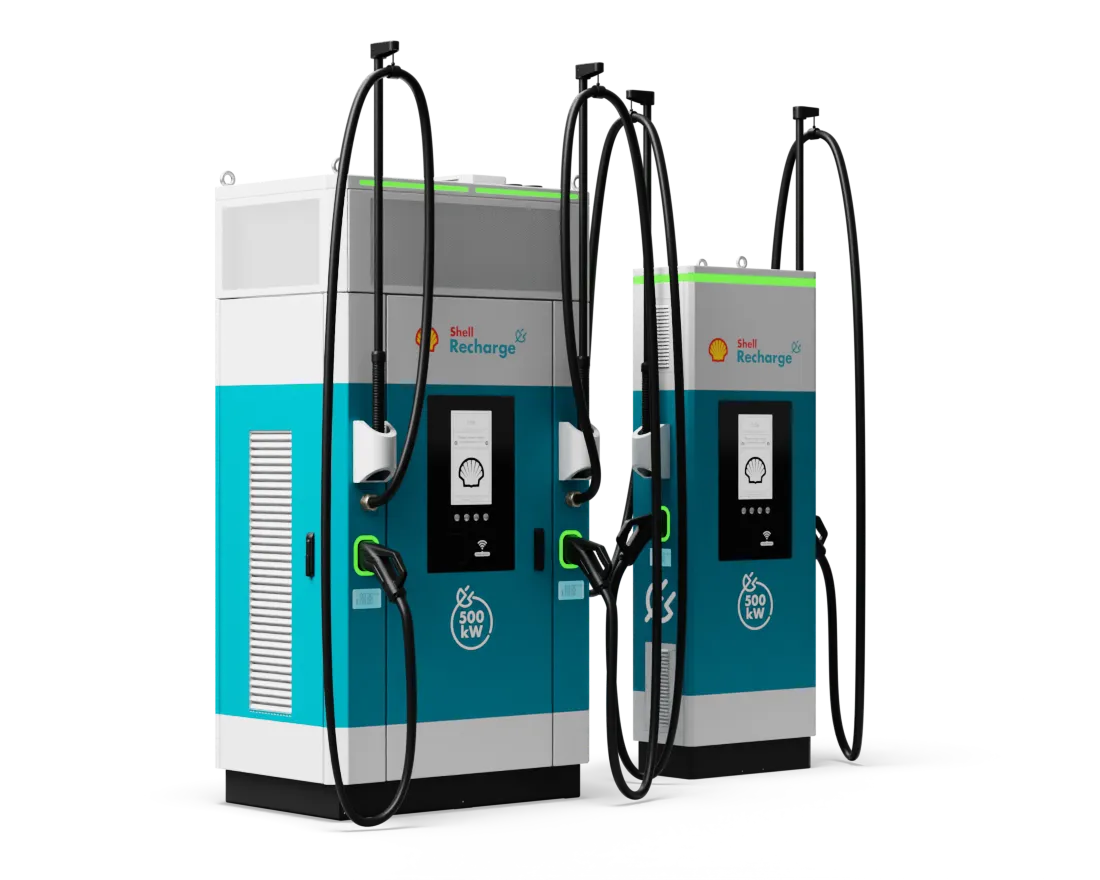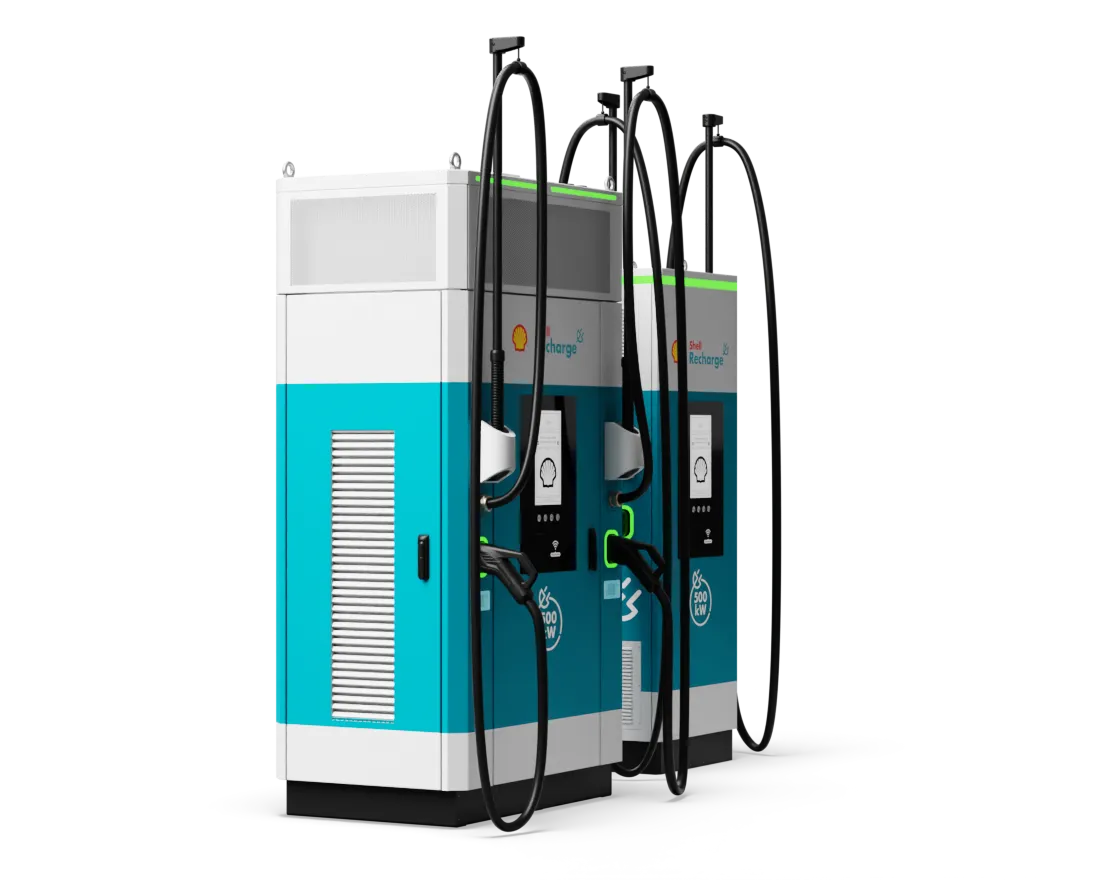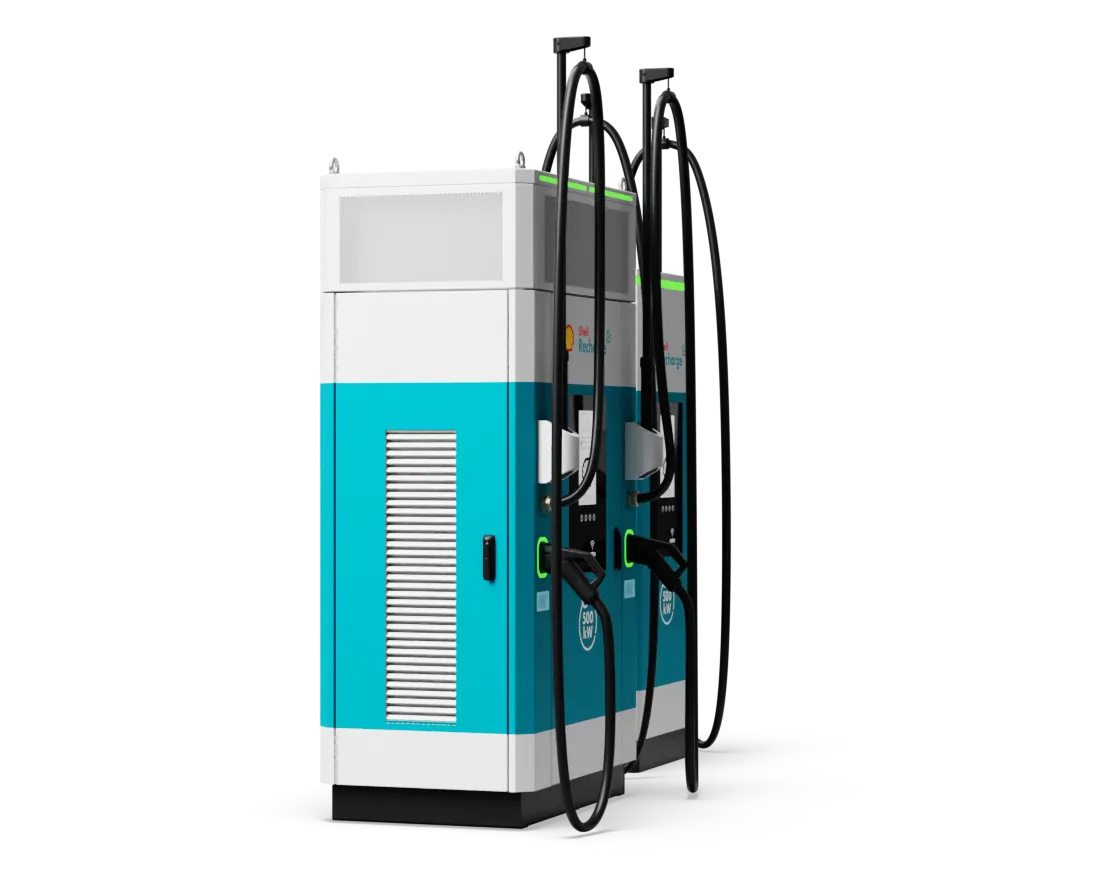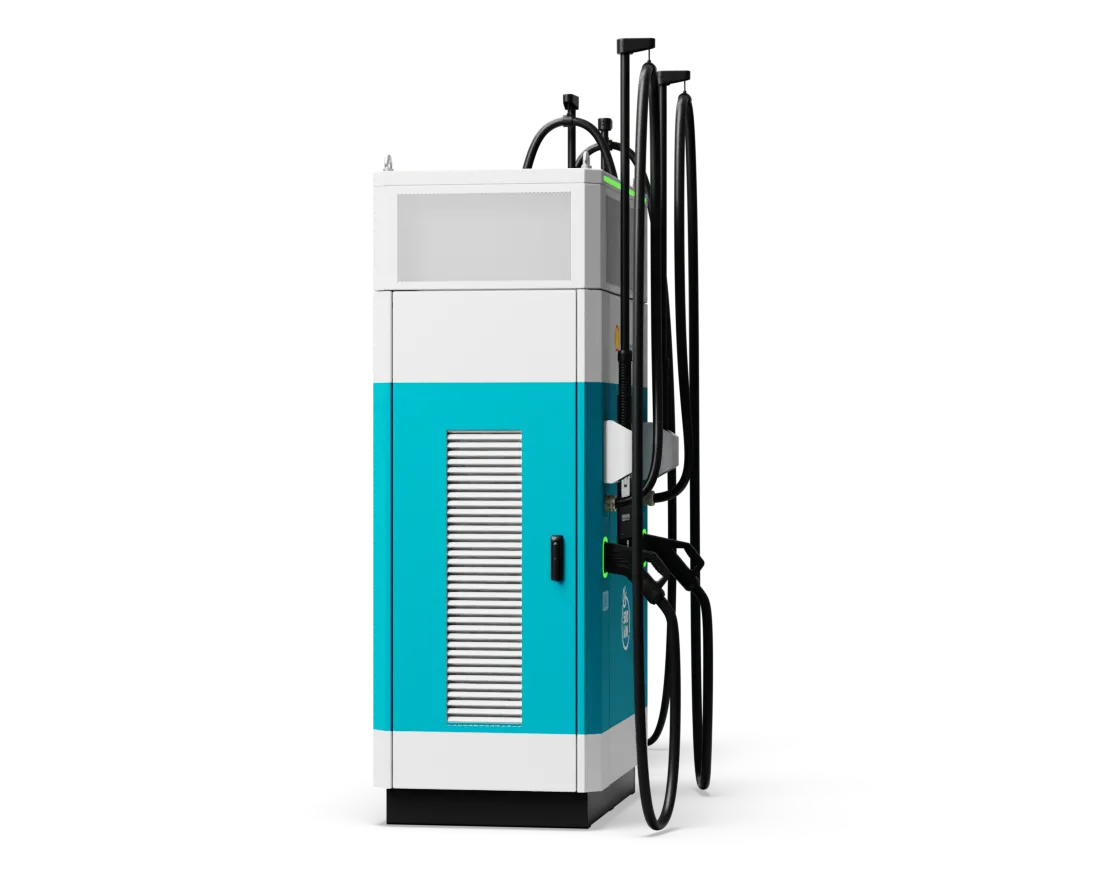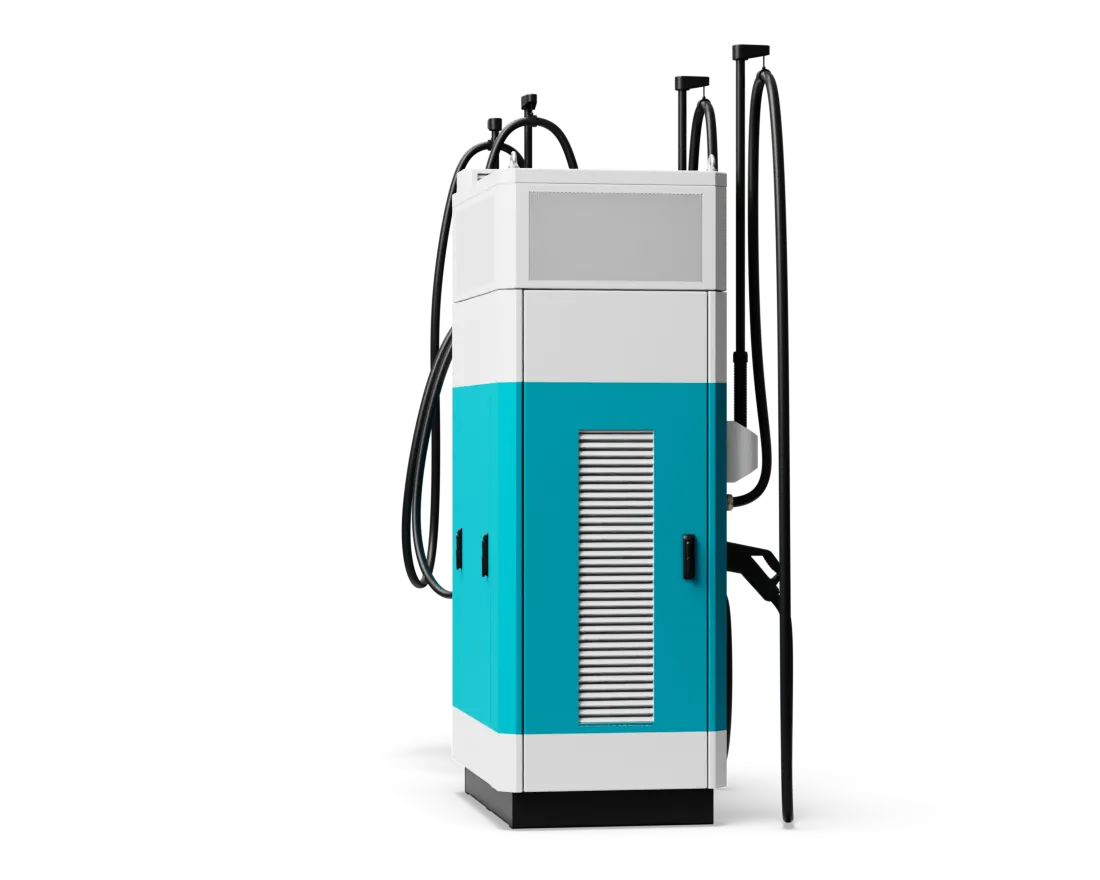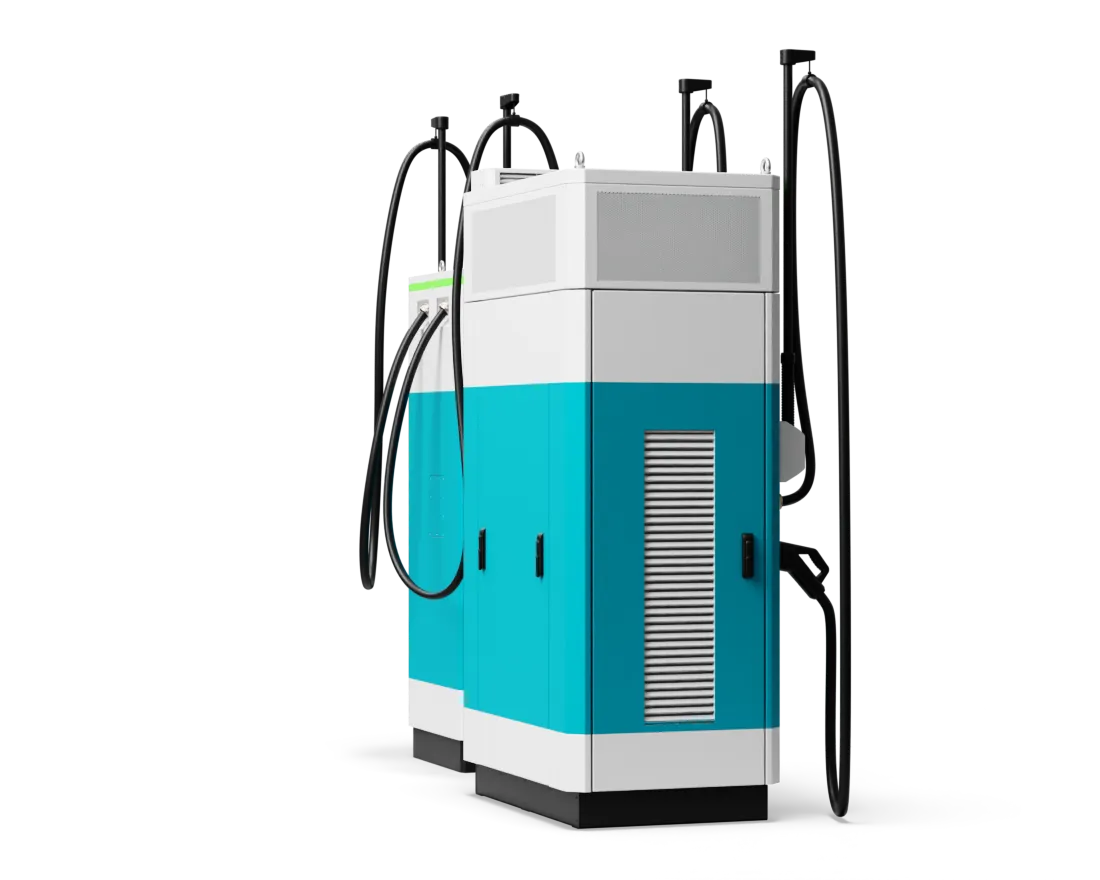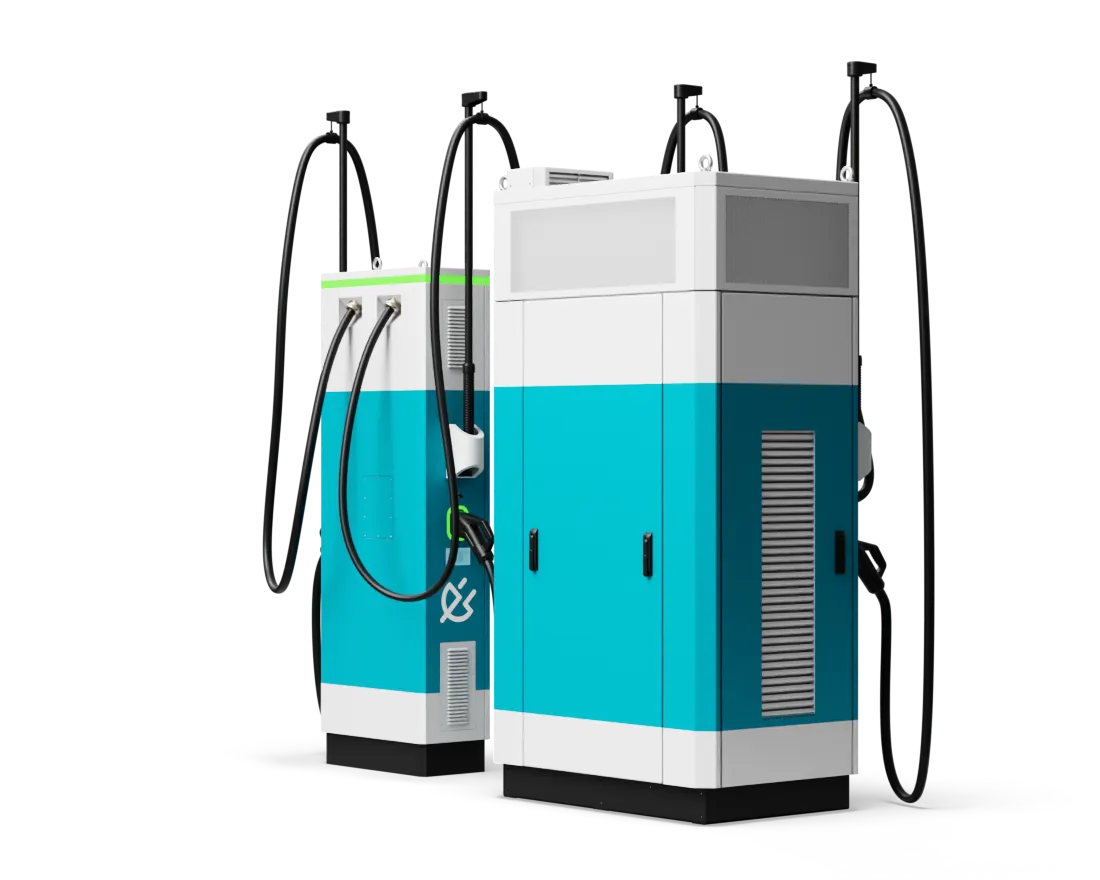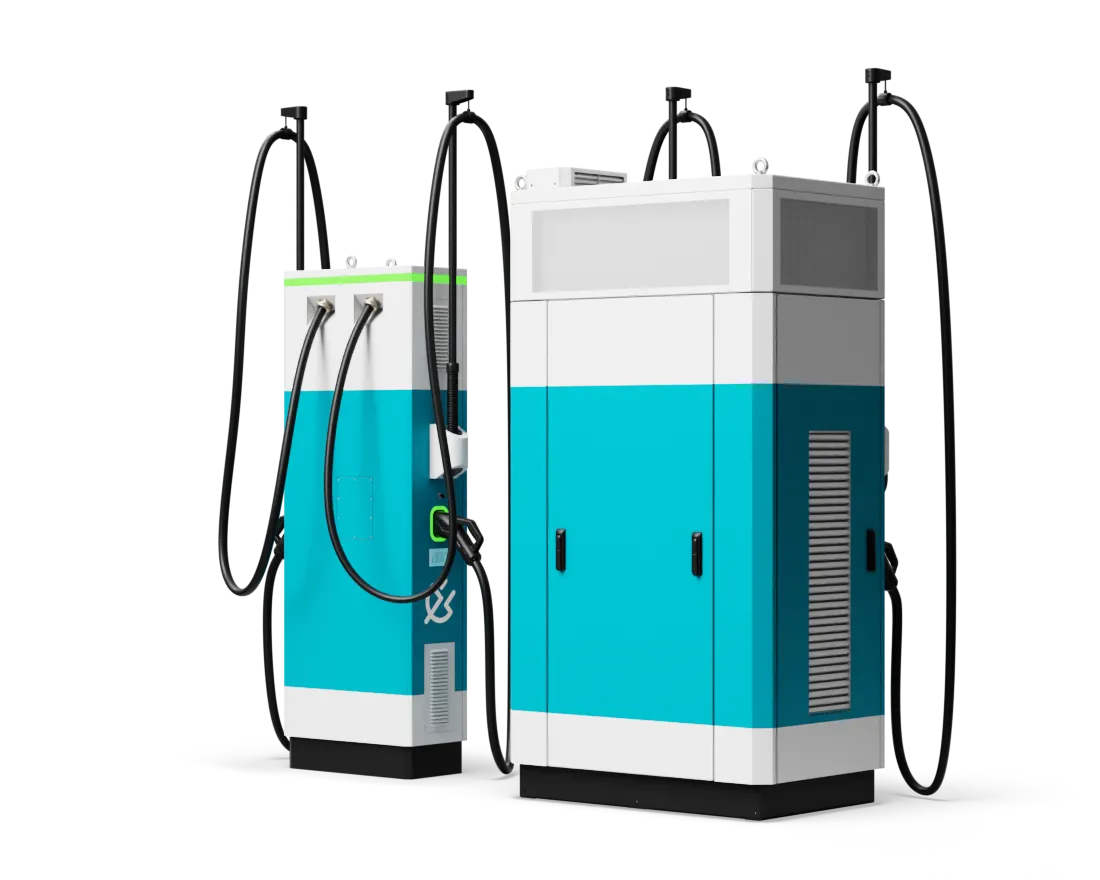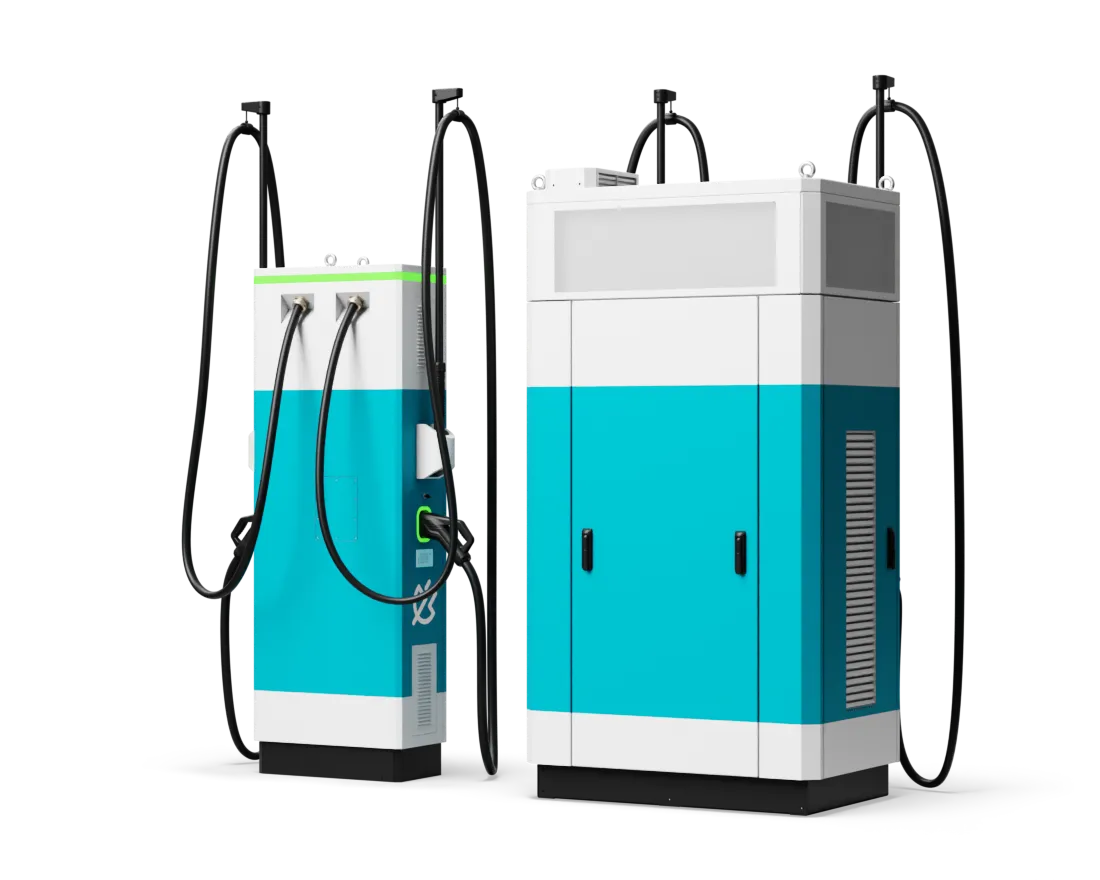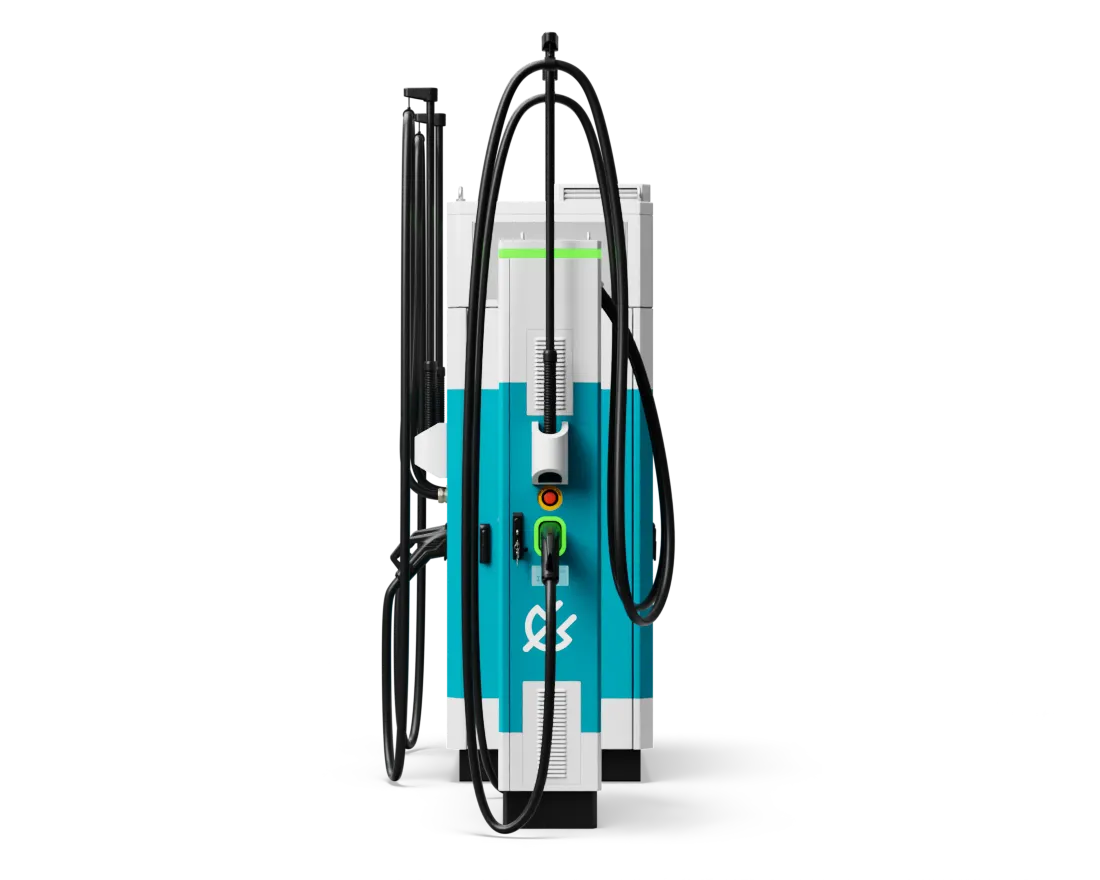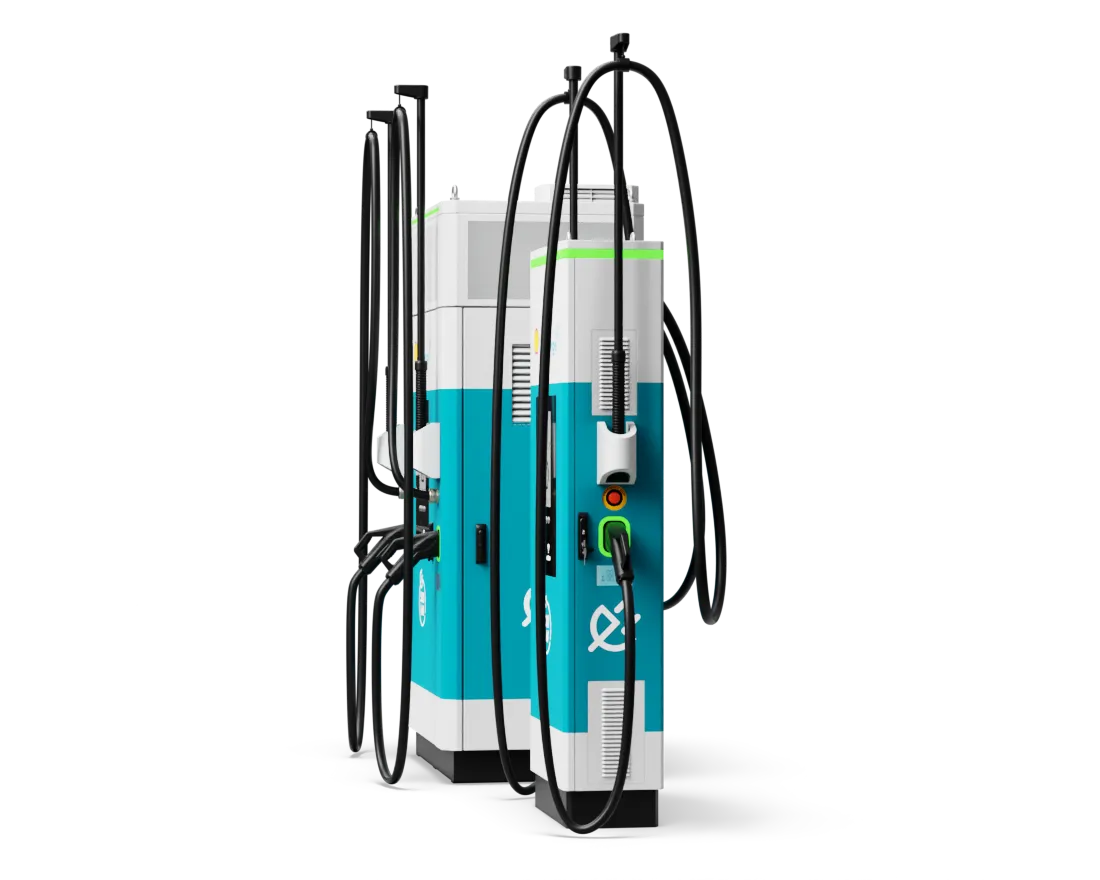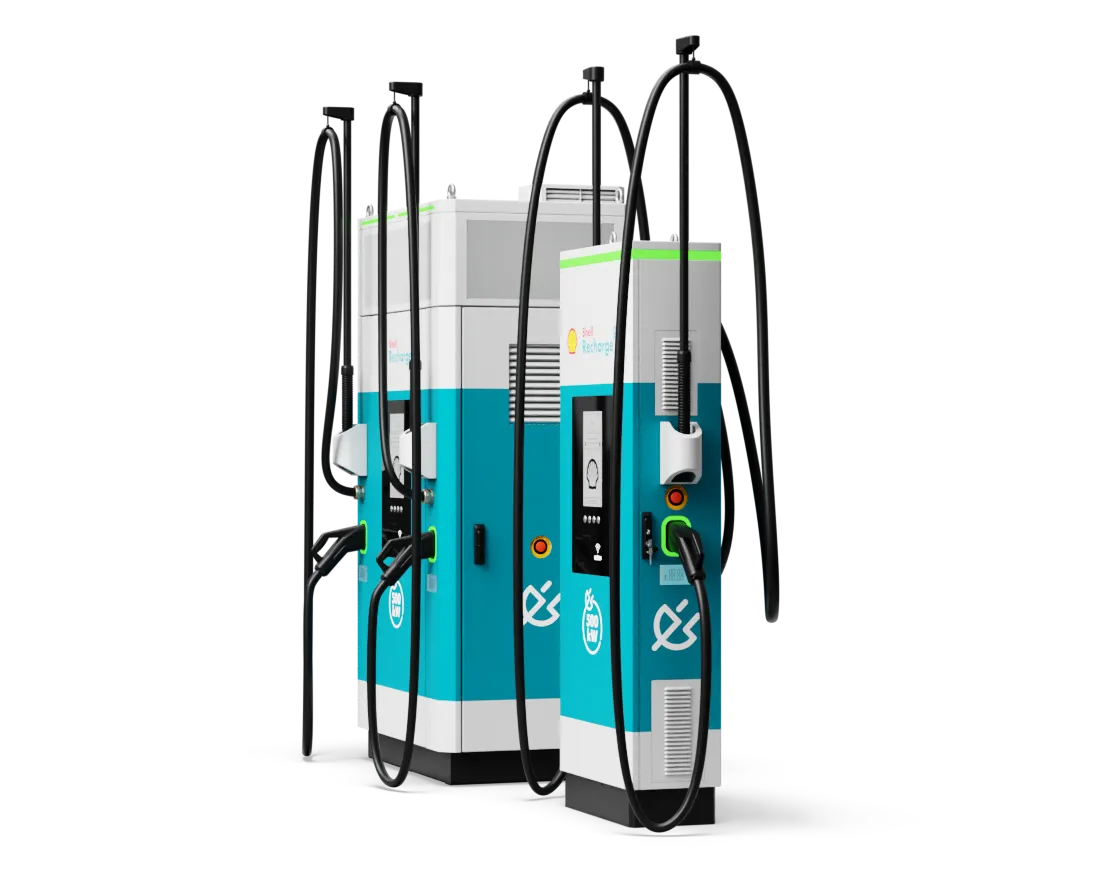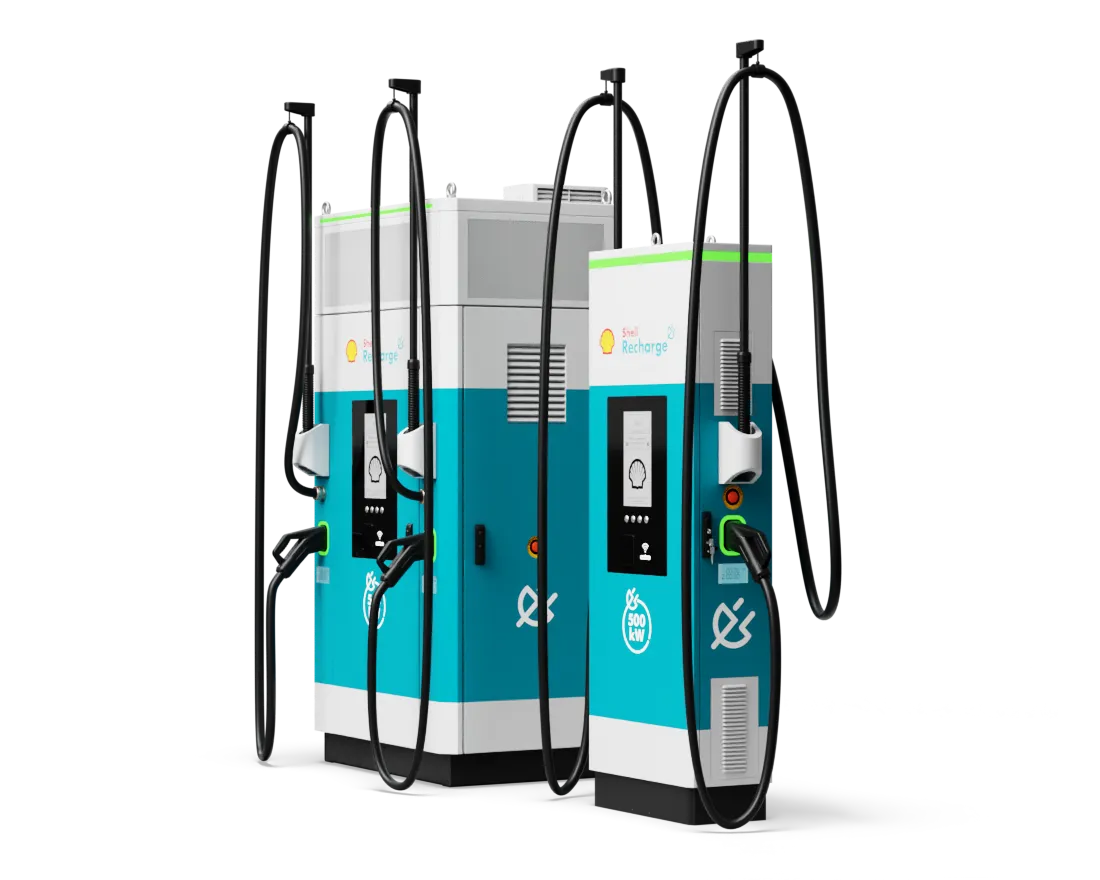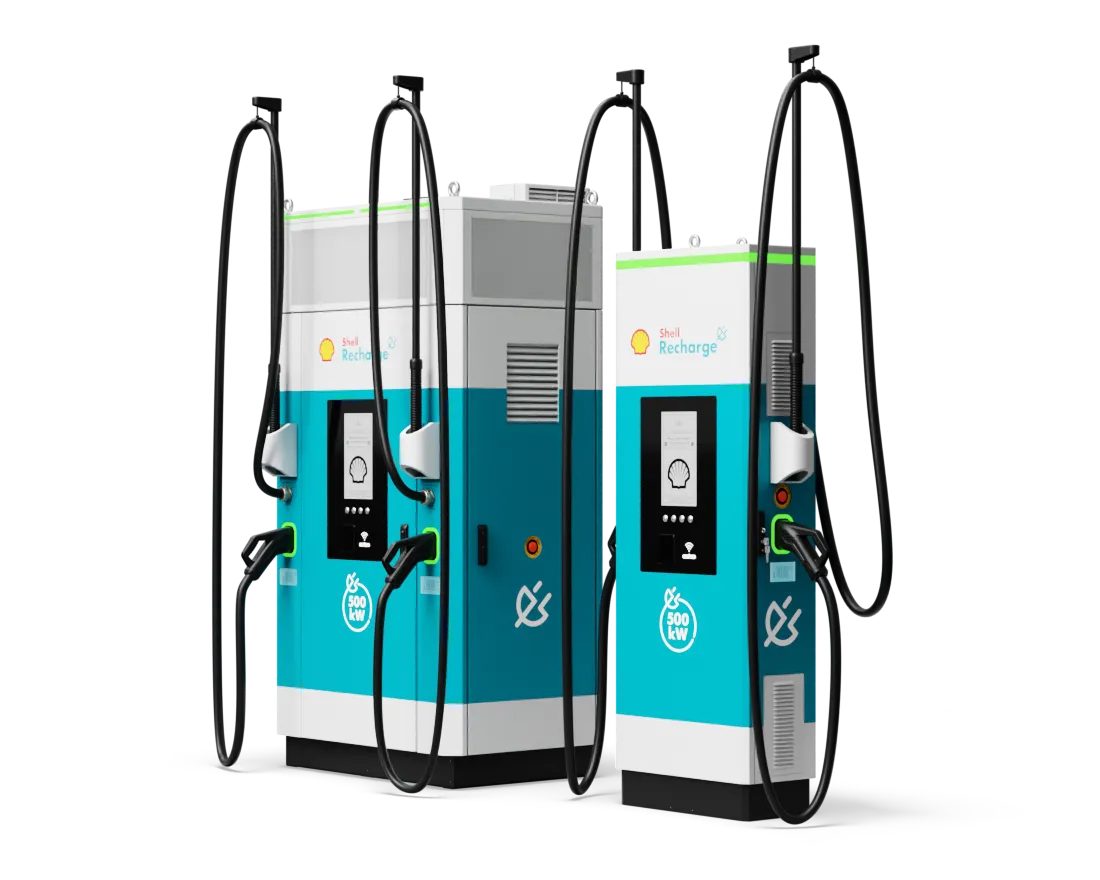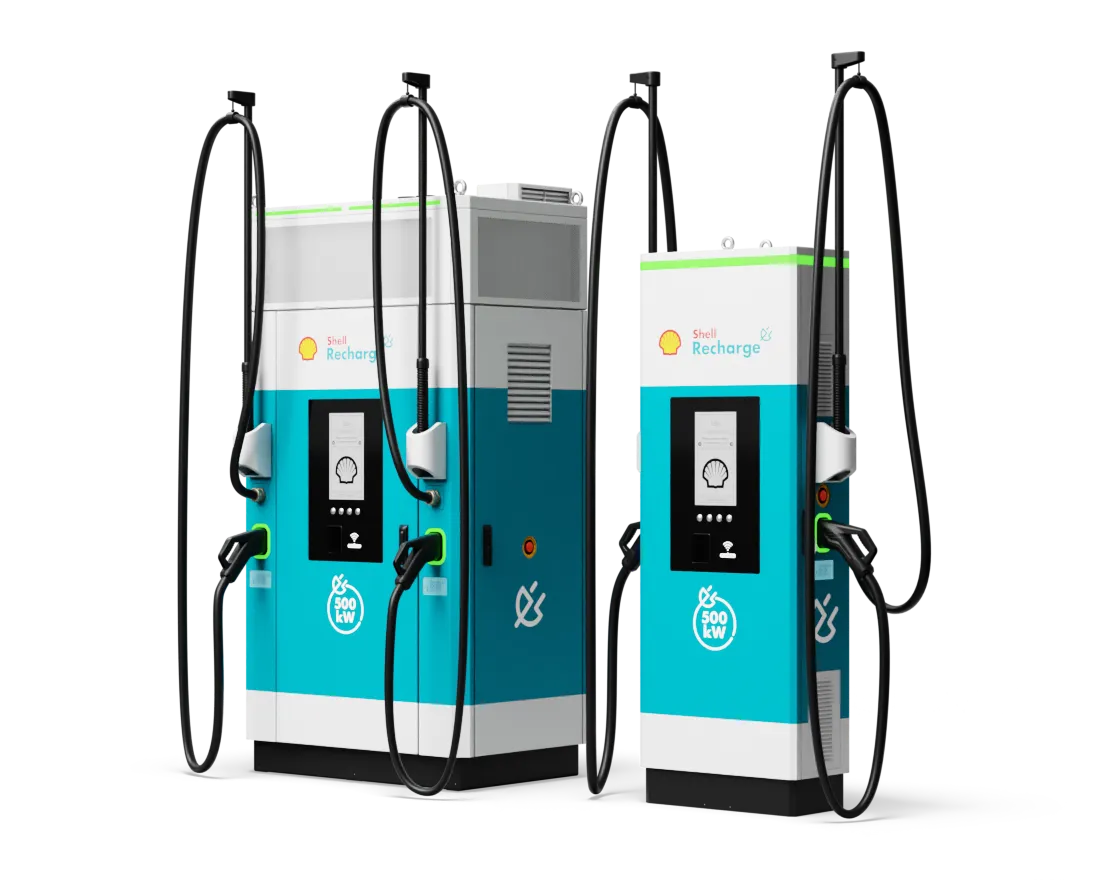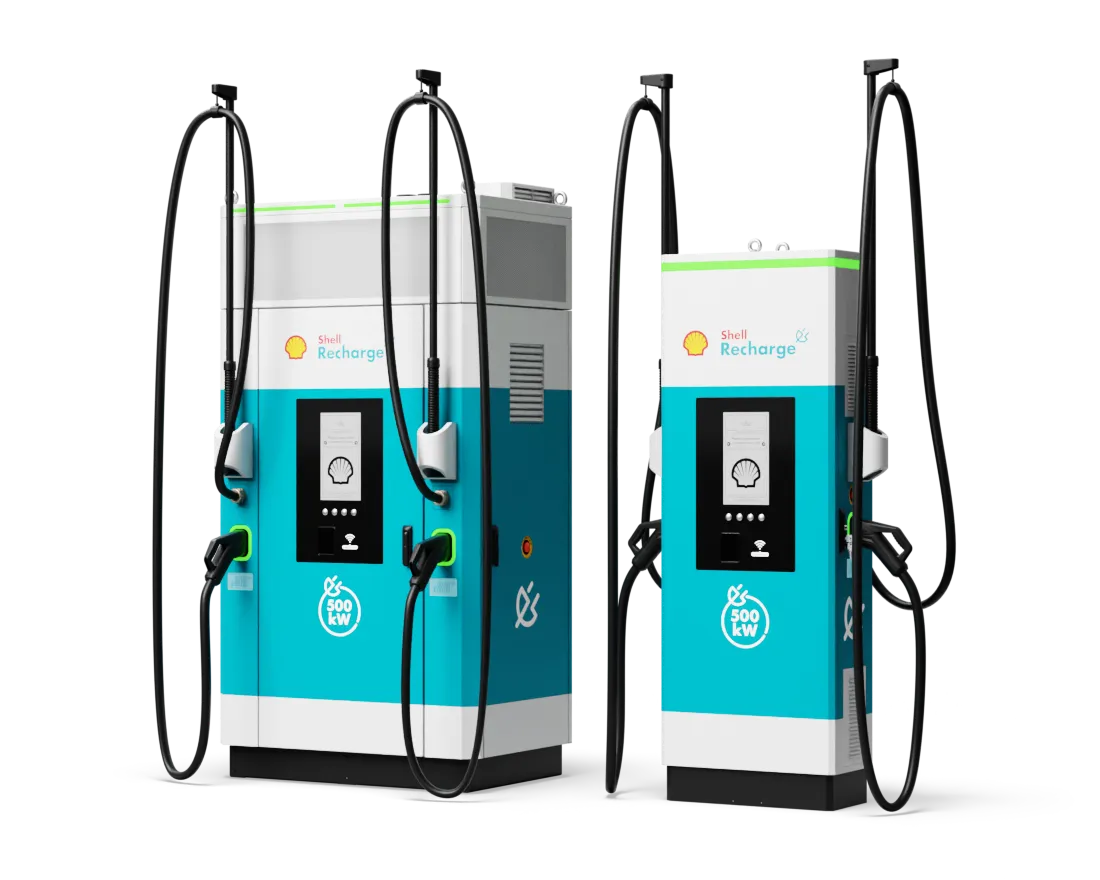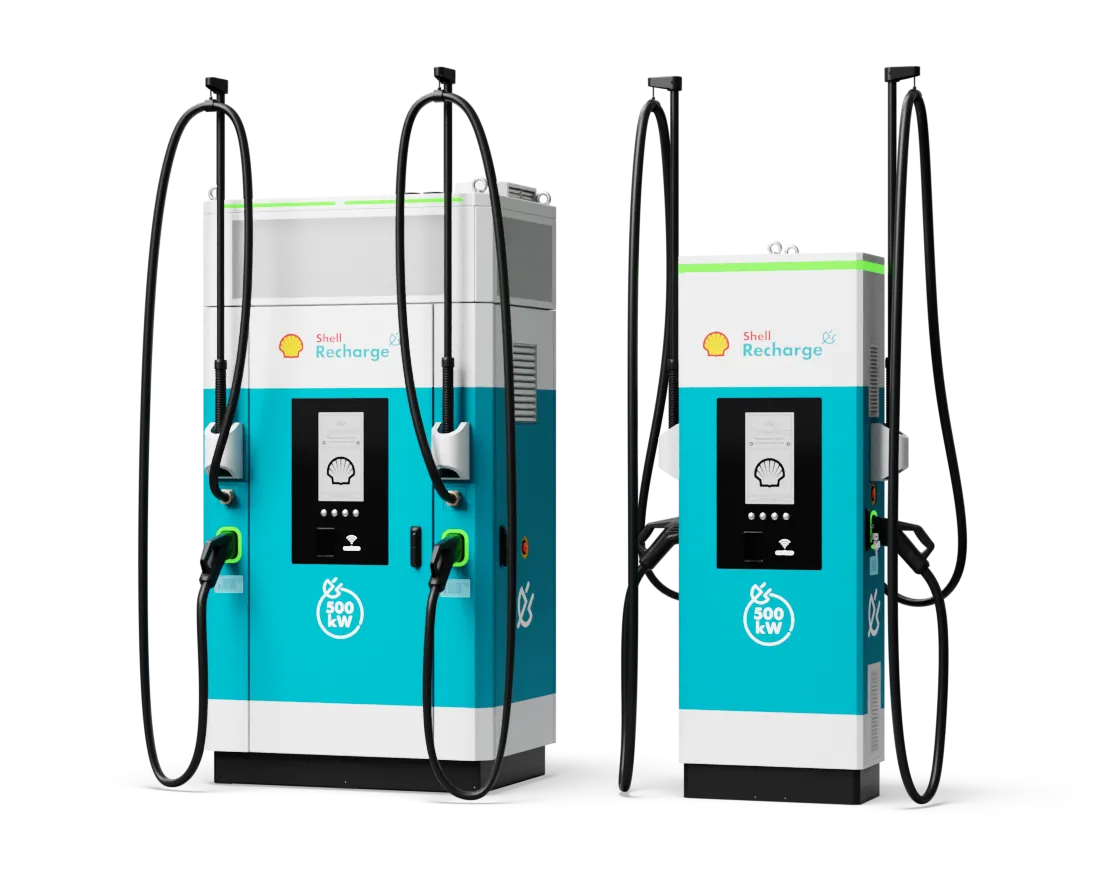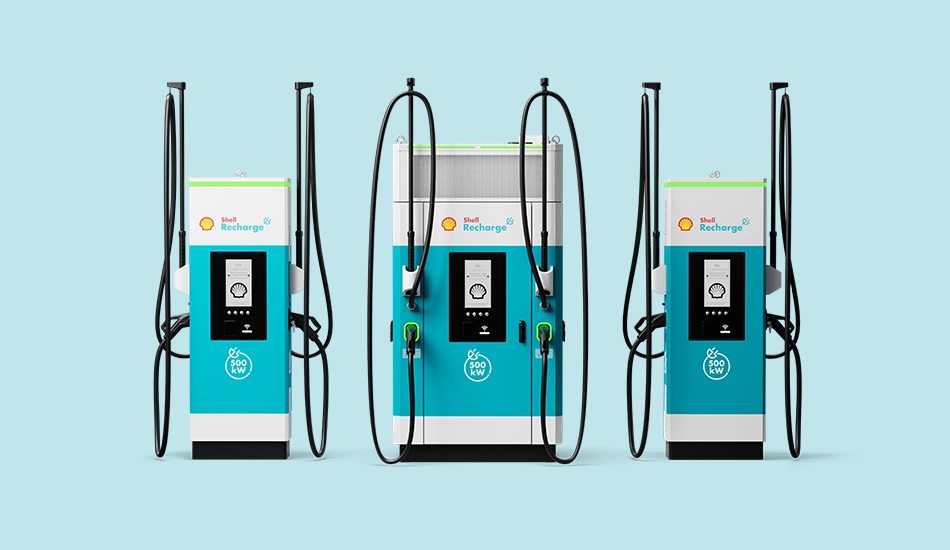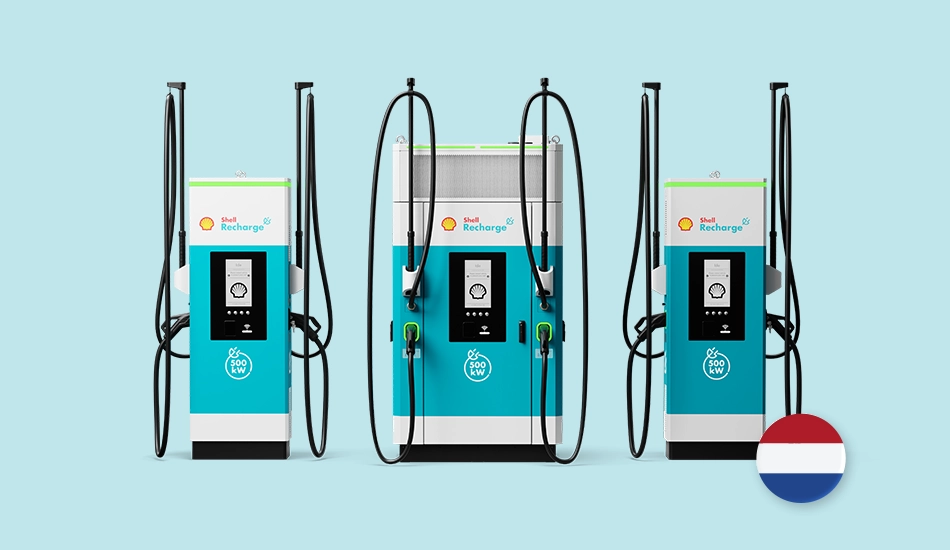
Shell PowerHub 500

Modu­lar DC charging system that grows with your fleet

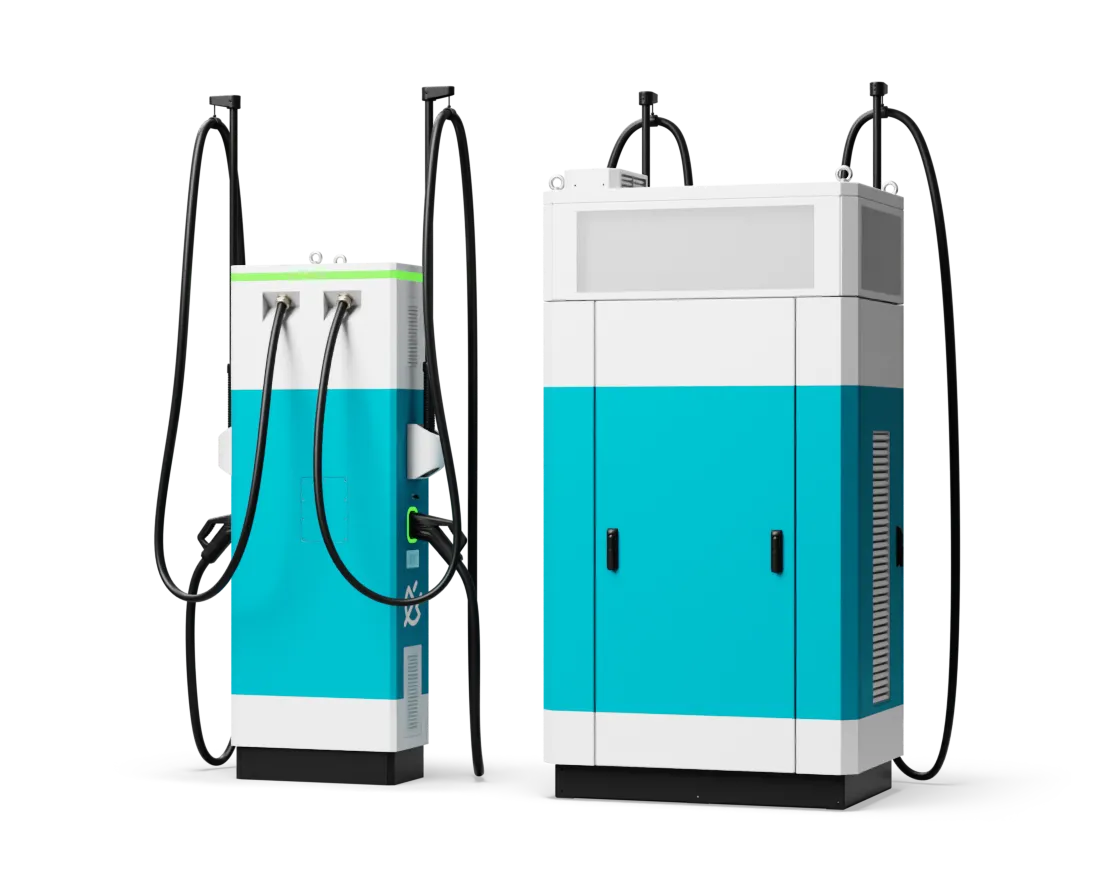
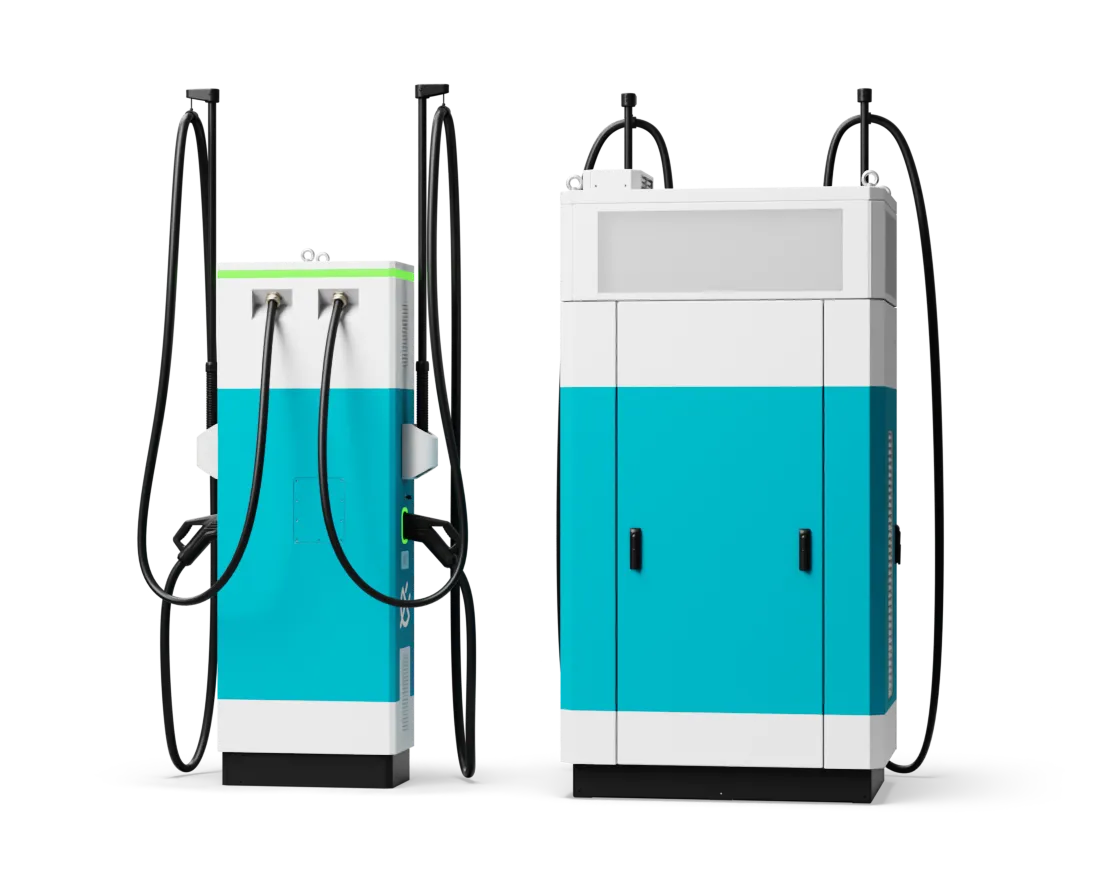
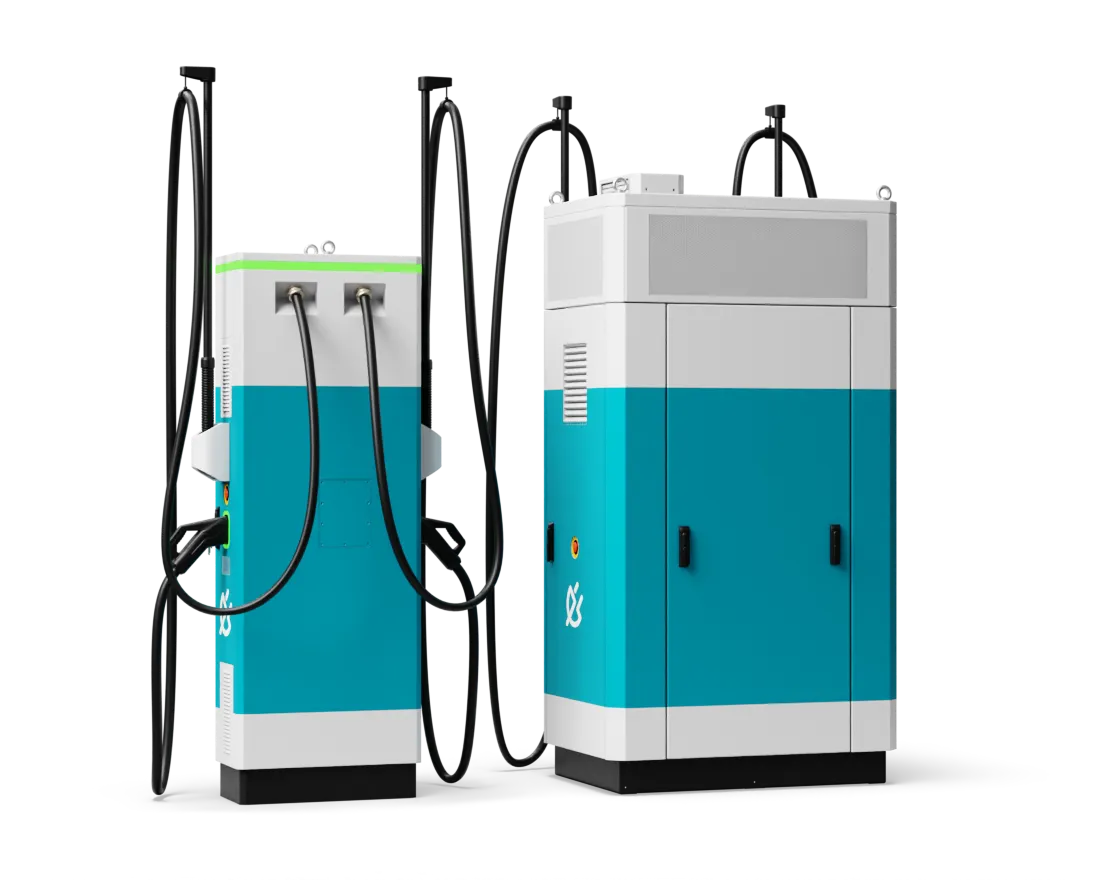
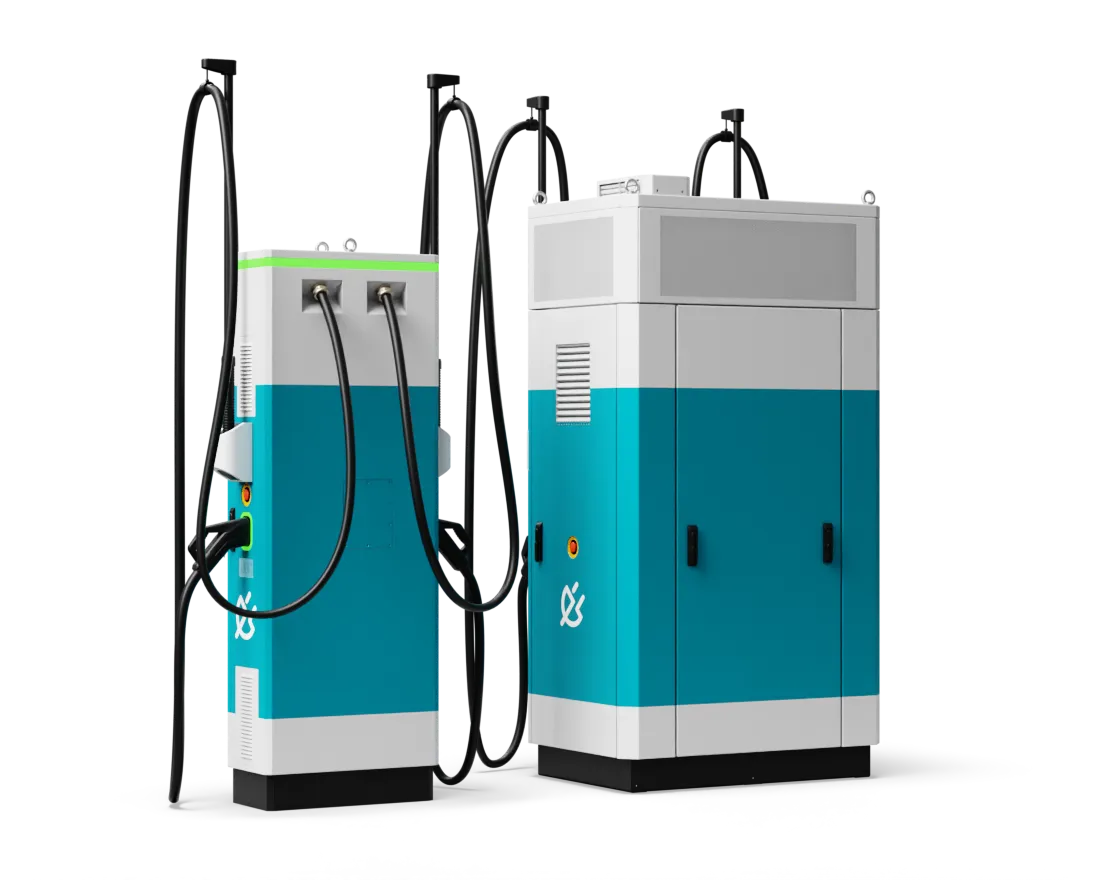
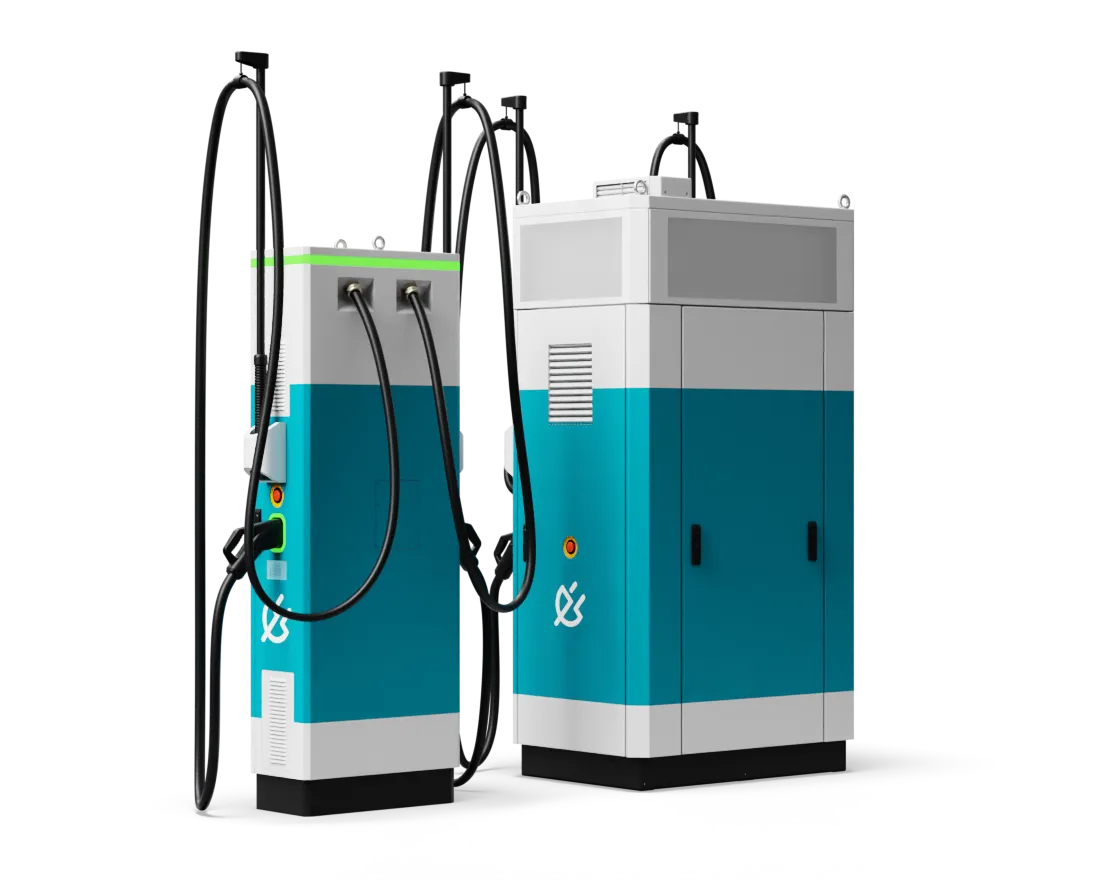
PowerHub 500 DC charging system

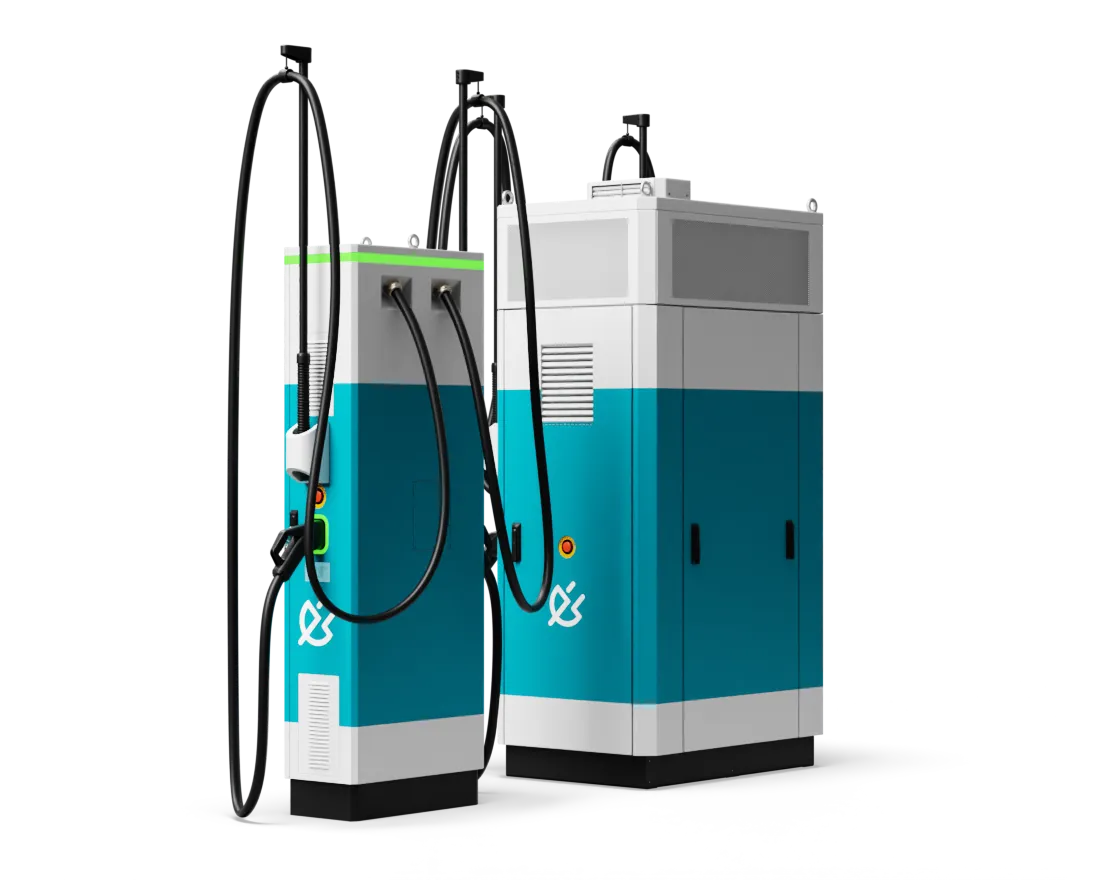
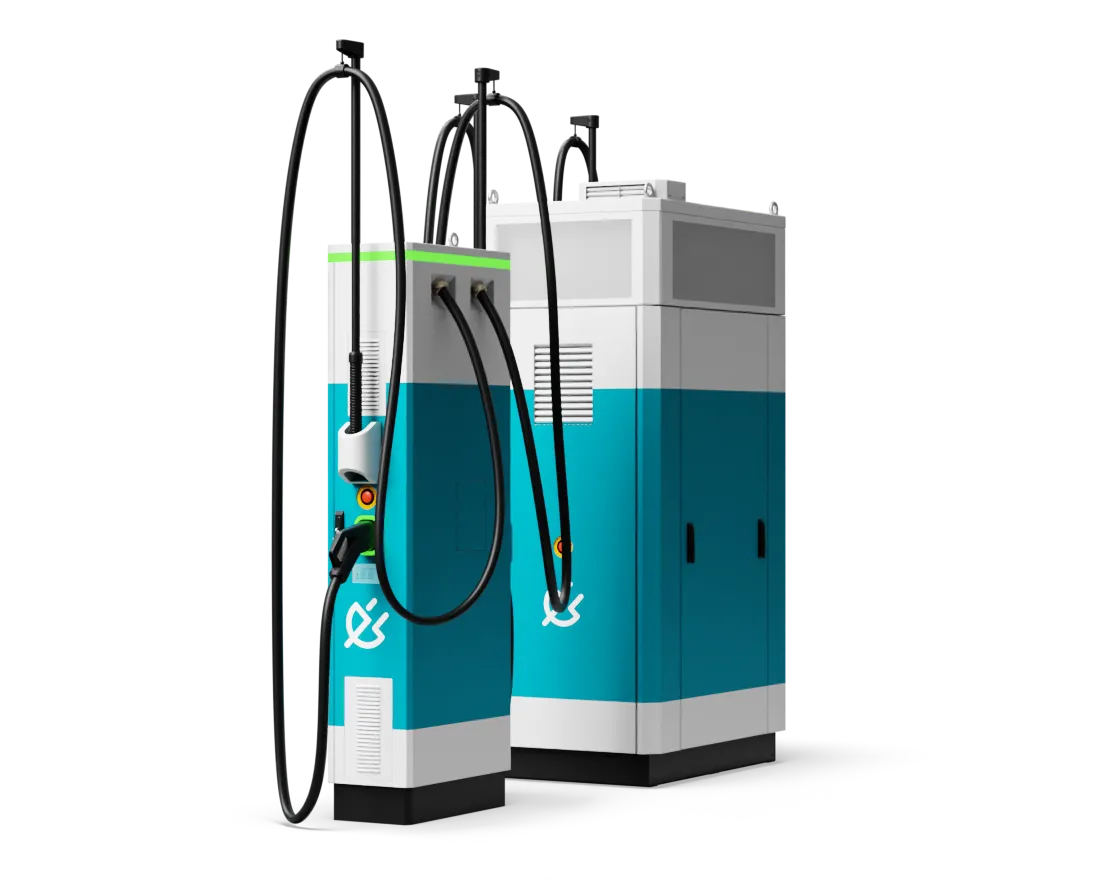
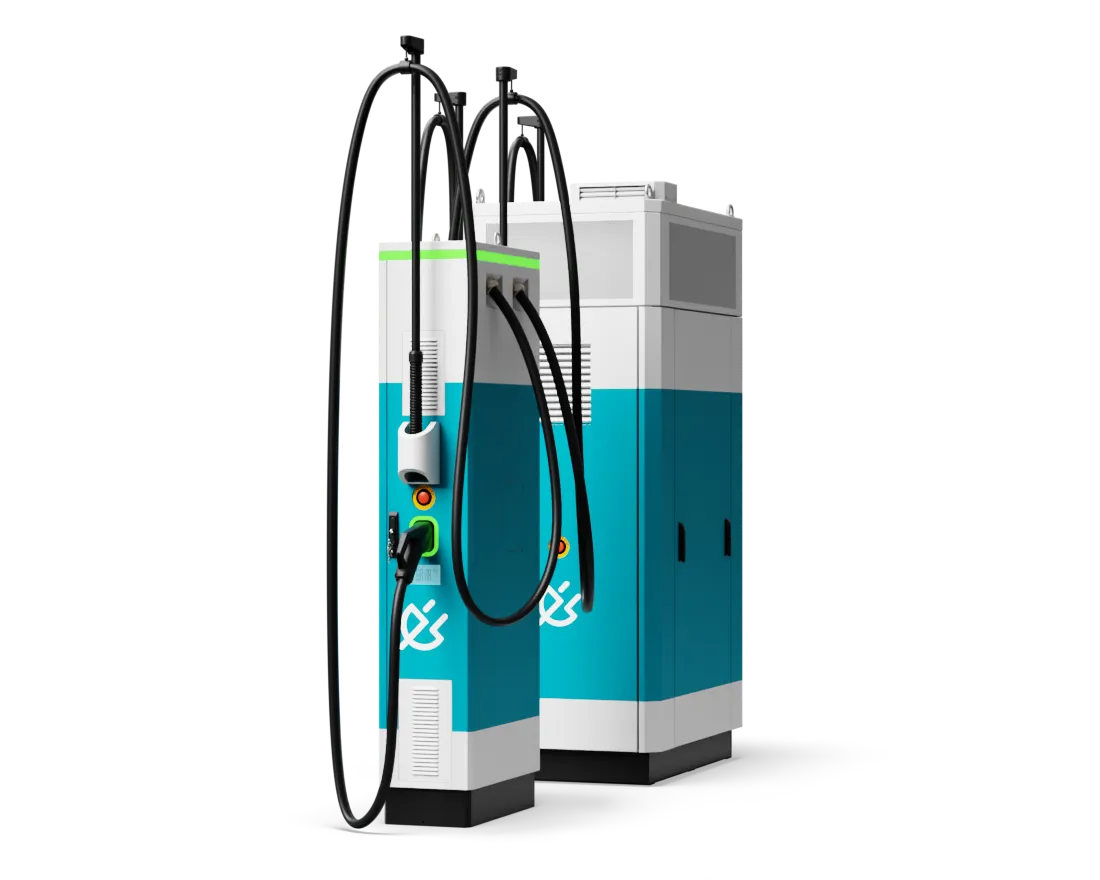
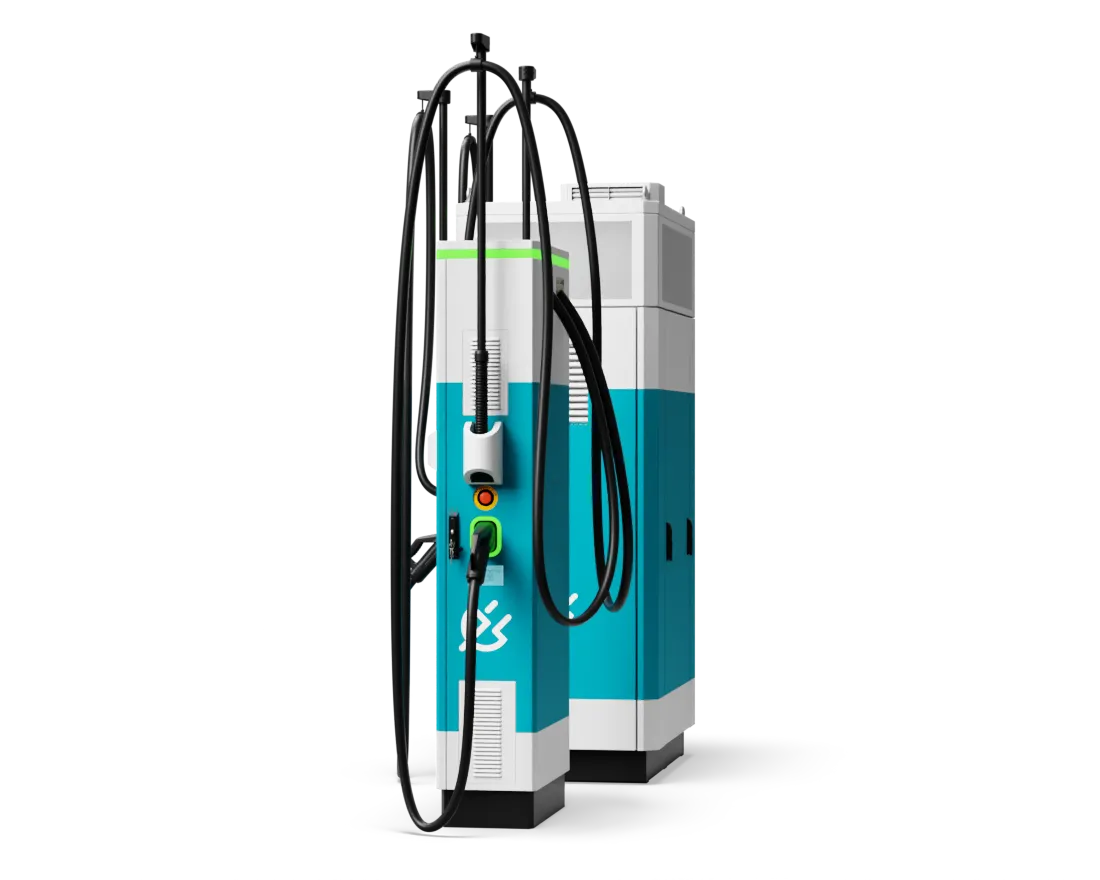
A modular direct current (DC) charging system built for heavy-duty fleets. Start with the infra­structure you need today and scale charging operations as your fleet grows – with integrated hard­ware, software and access to Shell’s integrated net­work all-in-one solution.

Key features

Engineered for heavy-duty fleets
Energy Icon yellow

Power: Up to 500 kW

Energy Icon yellow

Cooling: Liquid-cooled

Energy Icon yellow

Target efficiency: up to 97%¹

Hidden

Element hidden from users so that all elements are closed at the beginning. Do not fill.

Charging concept
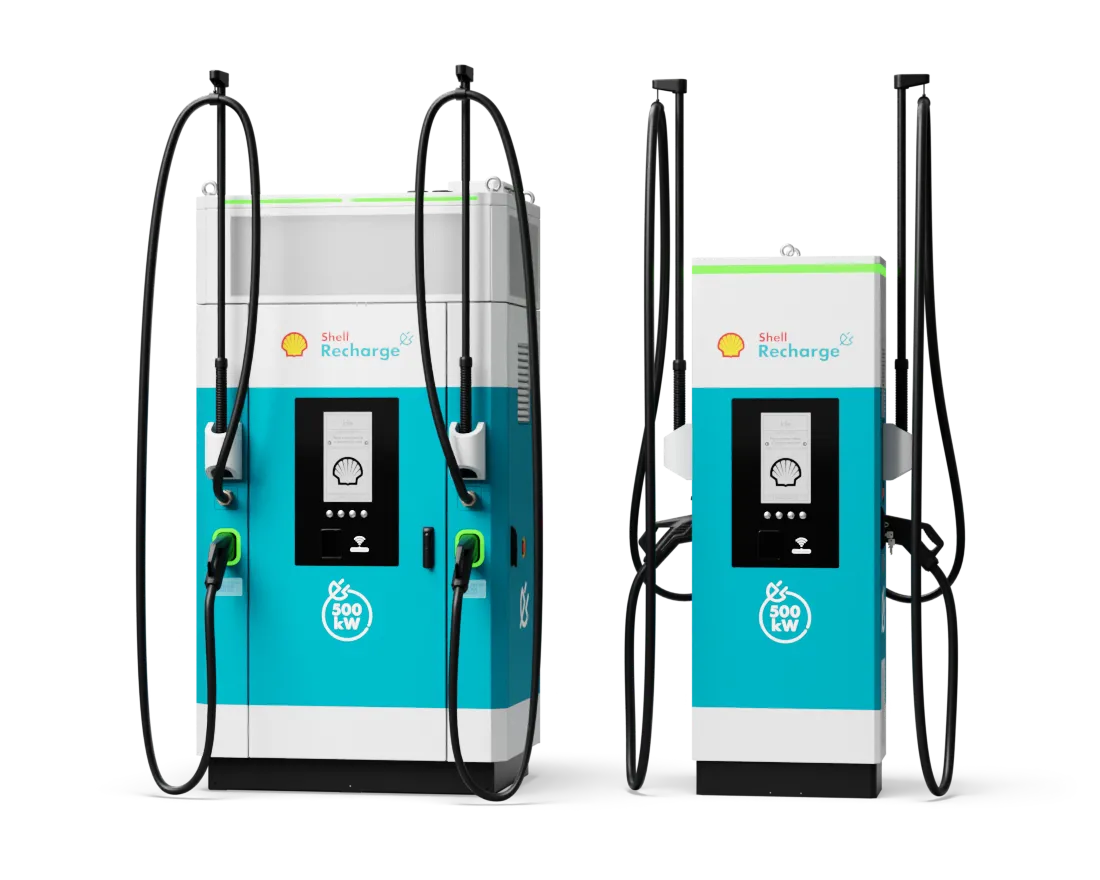
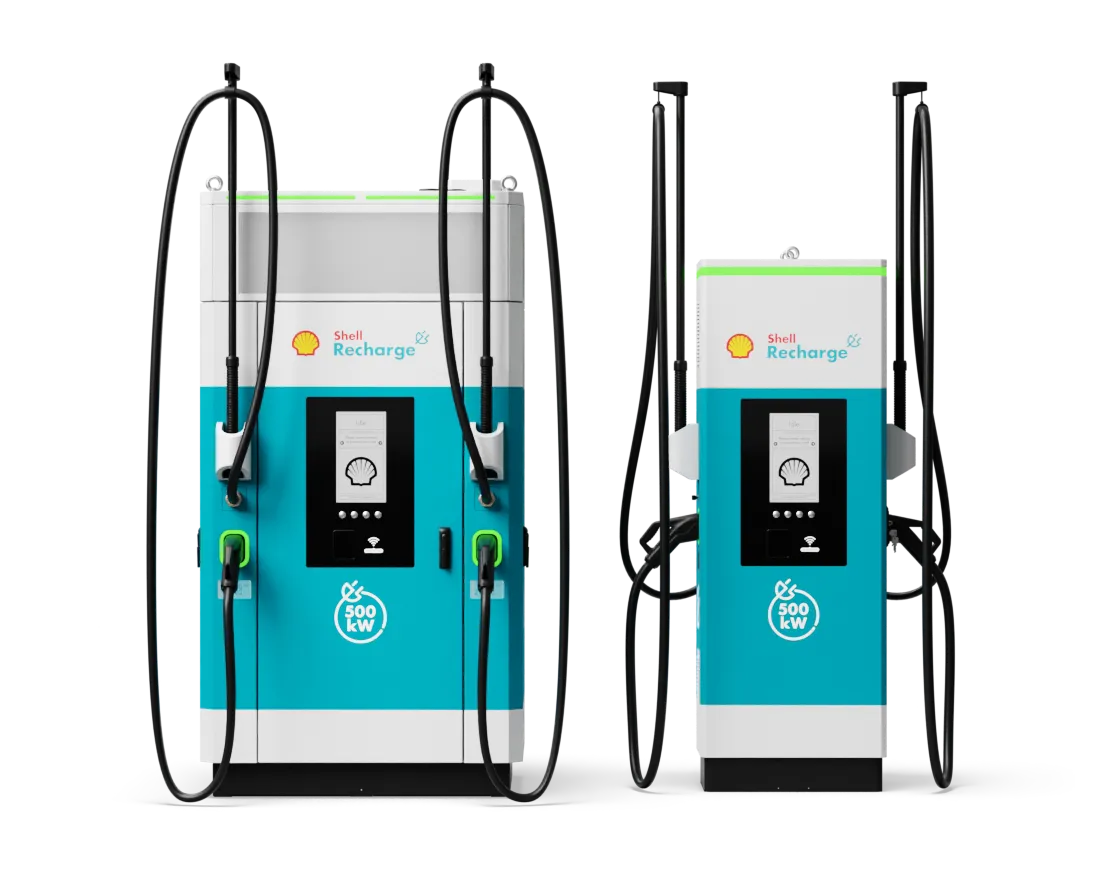
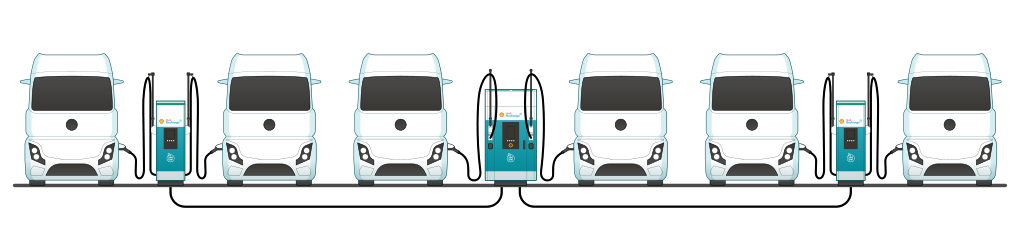
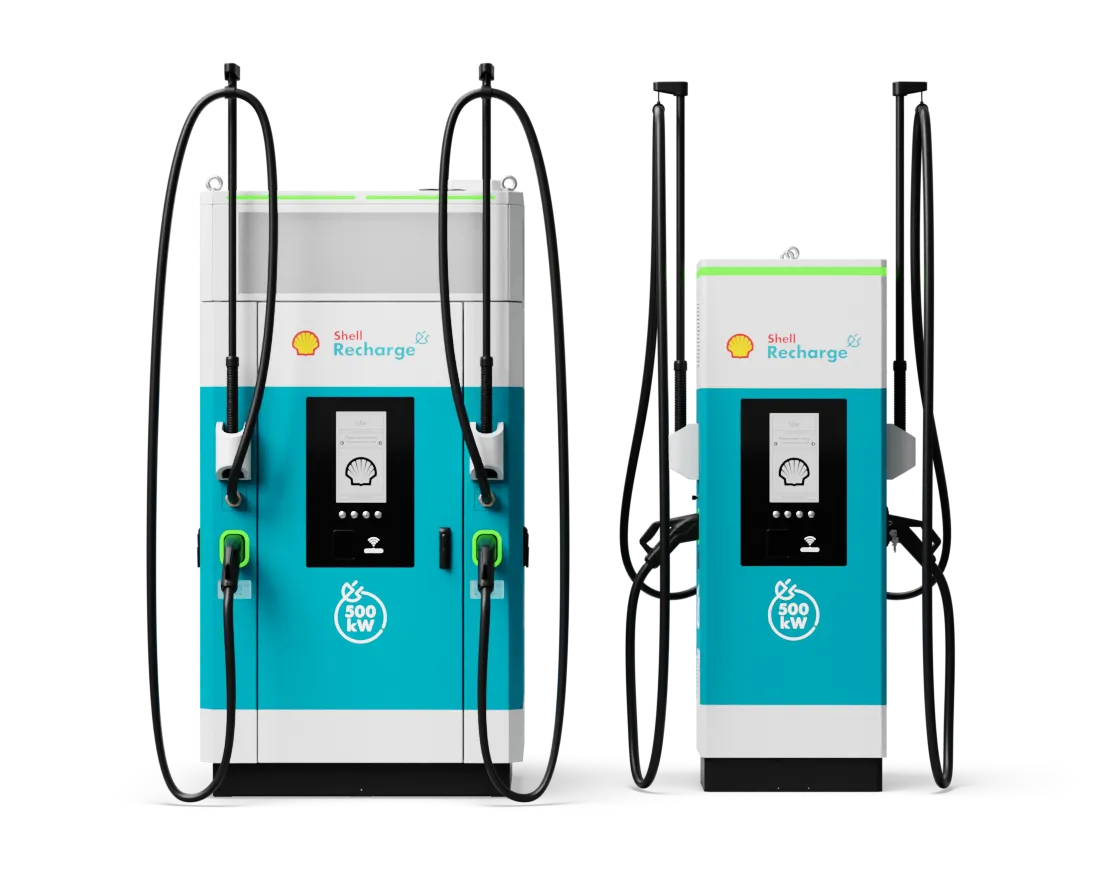
Modular design – one power unit, up to six DC outputs. Dynamic power sharing across outputs.
Available interfaces
Dispenser
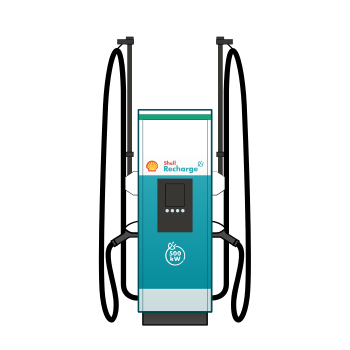
Dispenser PowerHub 500
Operational areas

Ideal for depots starting with a small setup and scaling over time – logistics hubs, company fleets and municipal depots looking for a cost-efficient entry into electrification.

¹ based on module efficiency

Introducing PowerHub 500

See how PowerHub 500 makes it easier to start and scale depot charging.

Configurations

Modular by design, begin with two DC charging points and expand to six as your demand grows. Configure for depot-only use or open selected dispensers to external fleets via Shell Card, unlocking additional revenue streams.

Start small

Charge a single heavy-duty vehicle using the full 500 kW output of one PowerHub 500 unit. A straight­forward entry point for depot electrification with room to scale.

Scale to two

Charge two heavy-duty vehicles using the PowerPack 500’s core infrastructure. Our durable, ultrafast charging hardware is designed to be easy to install, operate, and upgrade.

Scale when ready

Using a shared powerhouse enables multiple DC charge points to be supported from a single infrastructure investment. Choose air- or liquid-cooled dispensers based on your operational needs. Improving utilisation, reducing cost, and maximising return on investment.

Expand to six

Install multiple Shell PowerHub 500 chargers side by side as fleet demand increases. Our modular architecture enables heavy-duty fleets to future-proof infrastructure investments and reduce the need for costly replacements or retrofits.

Shell PowerPack 500

Everything you need to start fleet electrification – hardware, software, service and maintenance, and Shell Card in one package.

PowerPack

Hardware

PowerHub 500 Hardware. Zwei Haupt­konfigurationen
2 Jahre inklusive

PowerOS

Charge Point Management System inklusive SIM, Plattform und SBRS-Service
Servicegebühren für 2 Jahre inklusive. Ab dem 3. Jahr fallen Gebühren an.

24-monatiger Aktionszeitraum

Shell Card

Integrierte Zahlungs­lösung
Servicegebühren für 3 Jahre inklusive. Ab dem 4. Jahr fallen Gebühren an.

PowerCare

Wartungs- und Support-Services
Für einen zuverlässigen Betrieb
Servicegebühren für 2 Jahre inklusive. Ab dem 3. Jahr fallen Gebühren an.

Upgrade-Paket

DLM „Dynamic Load Manager”

Optimierte Leistungsverteilung über alle Ladepunkte
Inklusive Standort-Controller, SIM und Zähler
Servicegebühren für 2 Jahre inklusive. Ab dem 3. Jahr fallen Gebühren an.

Präventive Wartung

Planmäßige Wartung und System­prüfungen einmal pro Jahr. Gewähr­leistet lang­fristige Leistung und Zuverlässigkeit.
Servicegebühren für 2 Jahre inklusive. Ab dem 3. Jahr fallen Gebühren an.

Optionale Upgrade-Angebote

Erweitern Sie Ihr Setup mit zusätzlichen Services. Verfügbar je nach Markt und Anforderungen.

Benefits

Built to support fleet electrification at scale.

Battery with plug icon

Built for heavy-duty fleets

Delivers reliable, predictable DC charging performance, combining long service life and durable, depot-grade infrastructure for high-usage fleet environments, while enabling faster, lower-disruption installation.

EV charger icon with plug

Cost-effective

Reduces upfront investment through phased rollouts and modular expansion – minimising lifetime operating costs through liquid-cooled modules that deliver efficient charging and reduced energy consumption.

Flexibility pin icon

Scalable

Start with essential infrastructure and scale capacity as operations expand, creating a cost-effective pathway to full depot electrification without redesigning sites or replacing core systems.

Lightning bolt icon

Connected to Shell’s network

Hardware that connects private depot charging to Shell’s integrated European network through Shell Card – helping fleets expand route flexibility, unlock additional revenue streams and reduce total cost of ownership by up to 10% versus diesel¹.

Shield icon

All-in-one solution

Shell PowerPack 500 offers a simple, all-in-one solution that combines charging hardware, software, Shell Card and service support to help fleets start and scale electrification – while also providing optional upgrades.

Battery with plug icon

Simple to operate

Co-ordinating multiple suppliers, contracts and systems adds complexity, cost and operational risk. Shell PowerPack 500 removes this barrier by providing a single, all-in-one solution that helps fleets save time and focus on their core business.

PowerHub 500 FAQs

Questions about PowerHub 500? Start here.

Placeholder

This entry is only there so that the accordion can be completely closed.

Why do heavy-duty fleets need a dedicated charging solution?
Most high-power chargers available today were primarily designed for passenger cars – the segment that has driven charging demand up to now. Compared with heavy-duty vehicles, passenger cars typically have smaller batteries, require high peak power only for short periods, and experience rapidly flattening charging curves as the state of charge increases.
Heavy-duty vehicle charging is fundamentally different. Trucks and buses are equipped with significantly larger batteries and require higher sustained charging power over longer periods of time. Using passenger-car-oriented charging infrastructure for heavy-duty fleet operations can therefore lead to power derating precisely when it matters most: during high-power charging under tight operational schedules.
The consequences can include longer charging times, reduced vehicle availability, disrupted duty cycles, delayed departures, contractual penalties, and customer escalations. PowerHub 500 is purpose-designed to help avoid these risks by delivering predictable, sustained charging performance tailored to the real-world demands of heavy-duty fleets.
How is charging a truck or bus different from charging a passenger car?
Passenger cars usually need high peak power for a relatively short period of time. Heavy-duty vehicles, by contrast, have larger batteries, longer operating schedules, and more demanding charging windows.
Fleet operators often need to charge several vehicles reliably within a defined depot schedule, for example overnight, between shifts, or during planned dwell times.
For heavy-duty fleets, charging performance is not just a convenience factor. It directly affects vehicle availability, route planning, driver coordination, depot operations, and ultimately the reliability of the transport business.
PowerHub 500 delivers up to 500 kW. Is that enough for real-life depot operations?
Yes. PowerHub 500 is primarily designed for depot charging applications. In depot environments, vehicles are typically parked for significantly longer periods than the mandatory 45-minute driver breaks associated with on-the-go charging.
While even higher charging power can offer operational benefits in some cases, most depot locations are constrained by available grid capacity and cannot support power levels beyond 500 kW. In addition, megawatt-scale charging infrastructure is generally less investment-efficient, as all components – including transformers, cabling, and chargers – must be dimensioned for substantially higher currents.
As a rule of thumb, a typical long-range truck with a net battery capacity of around 600 kWh and approximately 500 km range can be charged from 0 to 90% in around 1.5 hours at 500 kW CCS charging power.
How many trucks or buses can realistically be charged overnight with one PowerHub 500?
With an overnight charging window of around 8 to 9 hours, a PowerHub 500 configured with six DC outputs can distribute sufficient energy for depot charging.
If six vehicles remain plugged in for approximately 8 hours, each vehicle can receive around 600 to 650 kWh, depending on power allocation and charging profiles.
This is sufficient to fully charge a typical heavy-duty vehicle overnight, while vehicles with smaller batteries will reach a full state of charge even earlier.
Can a fleet operator start small and expand the system later?
Yes. This is a core design principle of PowerHub 500.
The All-in-One unit is prepared to connect up to four additional DC outputs / CCS connectors. These can either be pre-configured from the factory or added later in the field as the customer’s electric fleet grows.
This allows operators to invest in charging infrastructure step by step instead of over-investing in capacity before it is needed.

Explore more

PowerPack 500

Start your fleet electrification with Shell’s all-in-one package

Providing a practical, cost-effective entry point into electrification, the Shell PowerPack 500 – a modular DC charging solution purpose-built for heavy-duty fleets – allows operators to deploy the EV infrastructure they need today and scale as their electric fleets grow.

What could your fleet save?

Use the TCO calculator to compare diesel and electric truck costs.

1
50
100+

Do you want to understand the full calculation behind your results? Learn more!

Get your detailed TCO result and see where you can save

Do you want to understand the full calculation behind your results? Learn more!

Indicative results based on model assumptions

This calculator provides indicative savings estimates for fleets investing in depot charging infrastructure. The model reflects the impact of depot optimisation, smart charging and energy management across Shell’s integrated network.

This scenario assumes a heavy-duty truck operating 116,000 km per year over 5 years, with 75% depot charging and 25% on-the-go charging supported by a semi-public, energy-optimised eDepot. Actual results will vary depending on market conditions and customer-specific factors.

To explore the broader framework behind these results, learn more about Shell’s Integrated Charging Network.

If you have questions — or don’t yet have a depot solution in place — contact us and we’ll help you explore the right next steps.

Get your fleet's personalised TCO breakdown

Enter your details to receive a tailored breakdown of your fleet’s potential savings.

Email is required.
Phone is required.
I agree that SBRS & Shell Fleet Solutions may process my personal data to respond to my enquiry and contact me about availability, pricing, and relevant products or services. For more information, please see our Privacy Policy.

Investment you can plan around

Start with a lower upfront invest­ment and expand as operations grow. The PowerHub 500 is designed to enable up­front invest­ment (CAPEX) efficiency through phased rollouts and modular expansion – and help minimise lifetime operating costs (OPEX) through long service life infra­structure, efficient charging (with target efficiency up to 97%) and optimised energy use.
Technical design icon (head with gear)

Spread investment over time with modular, scalable deployment

EV charger icon with plug

Reduce cost per charging point using a shared power unit

Investment icon (dollar sign in circle)

Lower energy consumption with high-efficiency charging

Grid connection icon (building with plug)

Reduce maintenance and replacement costs with long service life

test-text
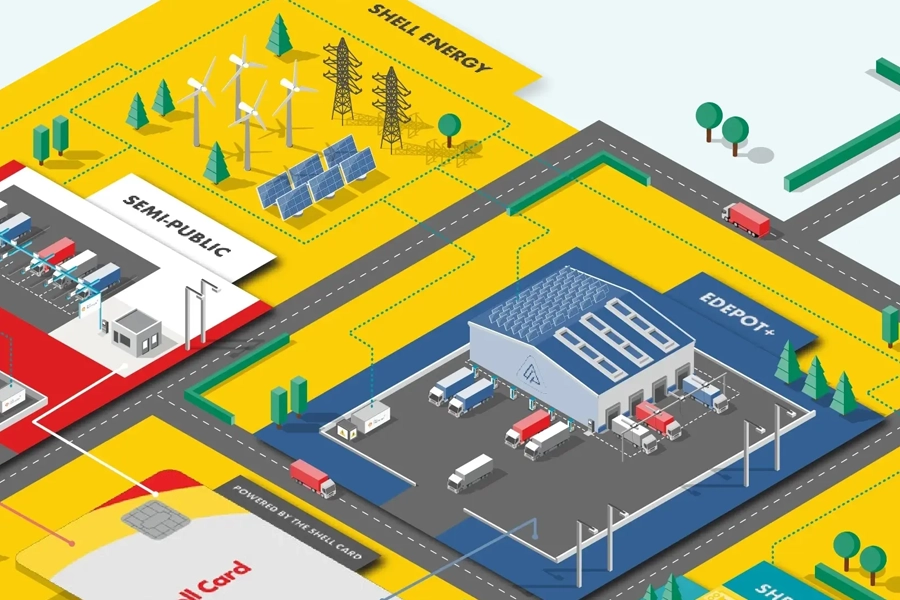
Isometric illustration of Shell’s integrated EV charging ecosystem showing depot, public charging, Shell Card, and renewable energy sources

Economics beyond the charger

Shell ecosystem advantage

Shell’s integrated charging network is designed to support one of the strongest economic levers in fleet electrification: using shared infrastructure across private depot, semi-public and public charging. One network. One card. One invoice. It can help reduce fleet TCO by up to 10% compared to diesel, depending on the customer use case and local conditions.¹

¹ Potential TCO outcomes are based on Shell’s model for a heavy-duty truck operating 116,000 km/year over 5 years, assuming a semi-public, energy-optimised eDepot with 75% private and 25% on-the-go charging. Estimated savings come from third-party eDepot use, Smart Charging energy cost reductions, and preferential network pricing, based on market references (excluding grid upgrades). Actual results will vary by market, vehicle type, and customer-specific factors such as energy prices, infrastructure costs, utilisation, and location. 

Learn more about PowerHub 500

Whether you are looking for personal guidance, detailed technical specifications or a broader product overview – find the right next step for your scalable depot charging starter setup.

PowerHub 500 factsheet

Explore hardware specifications

Read the full product factsheet with technical specifications and performance data.

From cost barrier to competitive advantage

How integrated charging systems can cut a fleet’s TCO by up to 10% versus diesel¹?

Discover how Shell PowerPack 500 can help lower fleet TCO by unlocking new revenue streams, reducing energy costs and connecting fleets to Shell’s integrated heavy-duty charging network across Europe.

Explore the portfolio

Discover more DC charging solutions

Still exploring? Take a look at more SBRS hardware solutions to see what else supports your depot’s long-term strategy.

Personal guidance

Talk to real experts

Discuss your electrification plans with our infrastructure experts and get the guidance you need.

¹ Potential TCO outcomes are based on Shell’s model for a heavy-duty truck operating 116,000 km/year over 5 years, assuming a semi-public, energy-optimised eDepot with 75% private and 25% on-the-go charging. Estimated savings come from third-party eDepot use, Smart Charging energy cost reductions, and preferential network pricing, based on market references (excluding grid upgrades). Actual results will vary by market, vehicle type, and customer-specific factors such as energy prices, infrastructure costs, utilisation, and location.

Related topics

Electric truck being charged at a Shell Recharge station – example EV charging solution for the logistics sector.
How charging concepts are adapted to the operational needs of bus fleets, logistics operators and maritime environments.
Person analyzing data dashboards on a large screen display
Software that supports planning, monitoring and energy optimisation in everyday depot operations.
Isometric illustration of Shell’s integrated EV charging ecosystem showing depot, public charging, Shell Card, and renewable energy sources
Integrated charging networks and smart hardware designed to help heavy-duty fleets reduce total cost of ownership.
Contact us

Questions about your fleet?
We’re here to support you.

Portrait of a support representative – symbolizing contact support for SBRS fleet solutions.