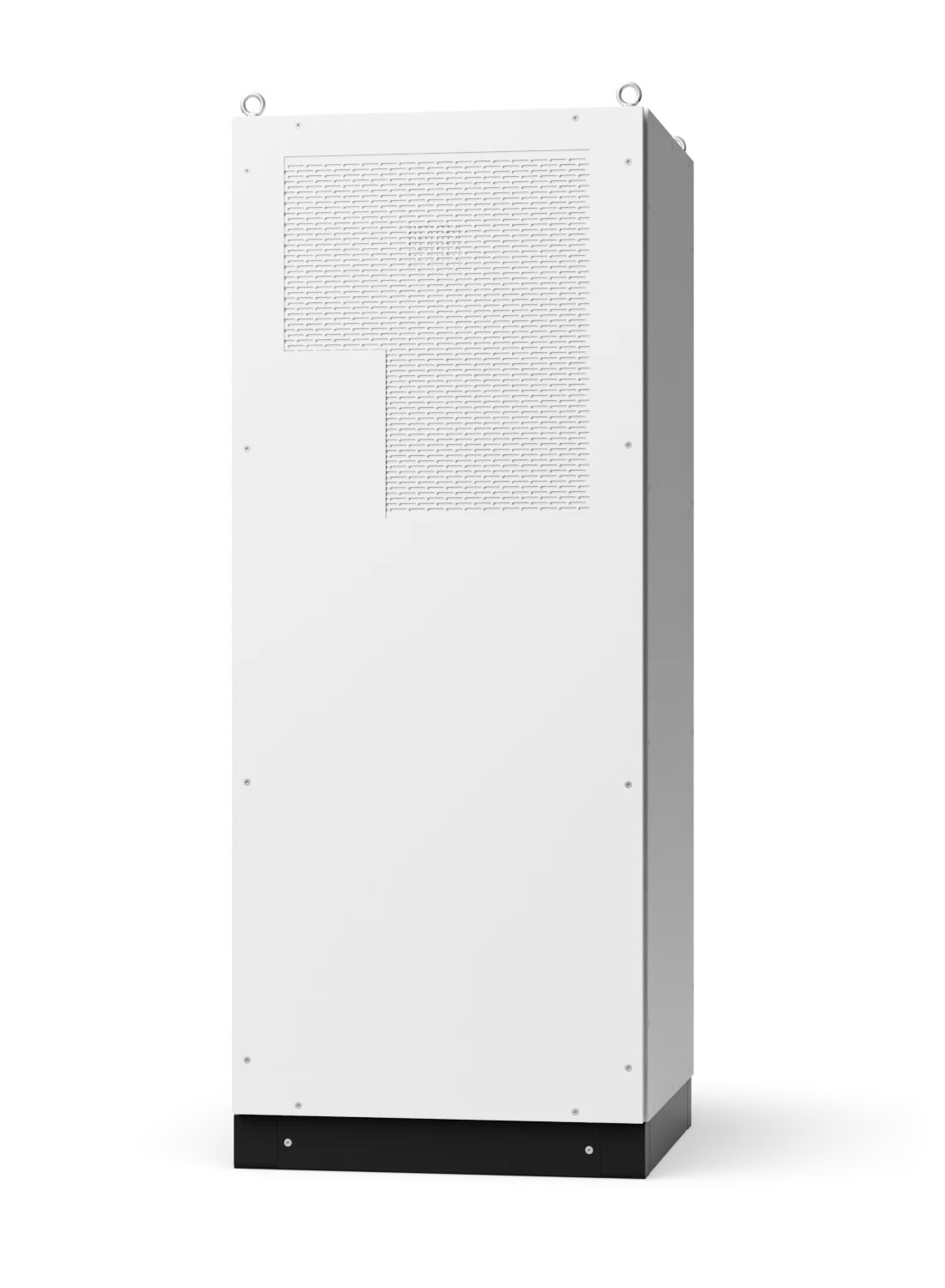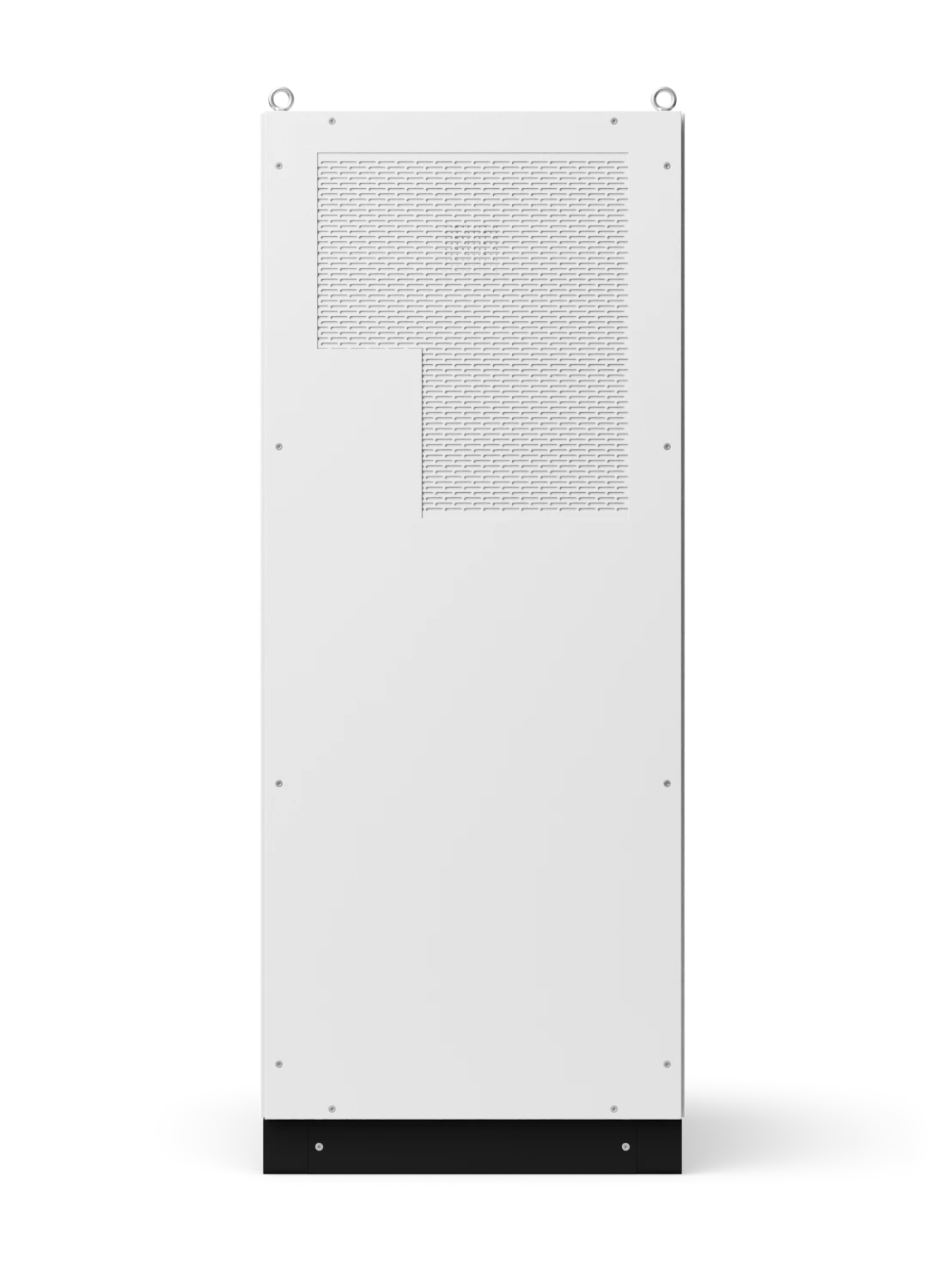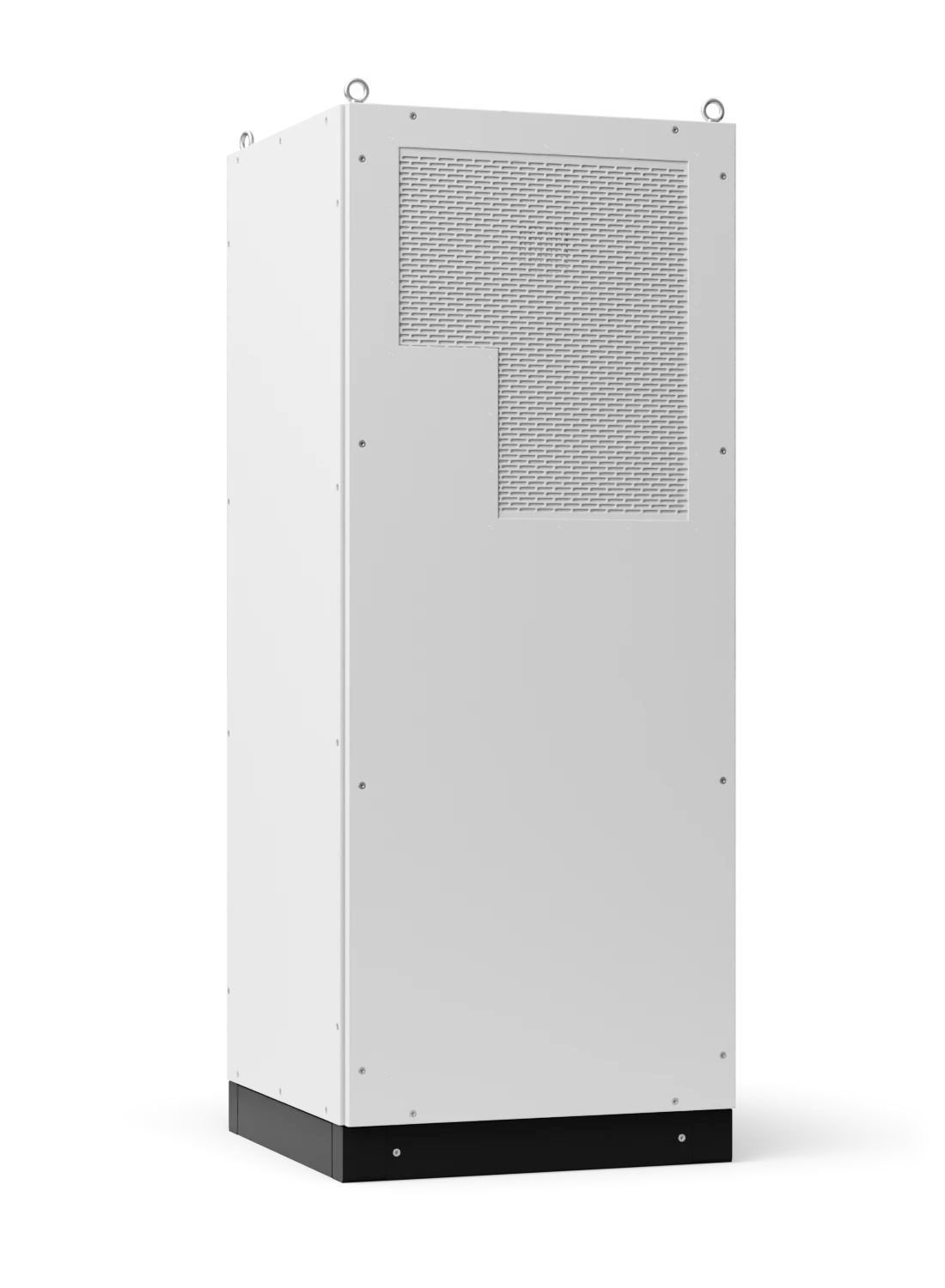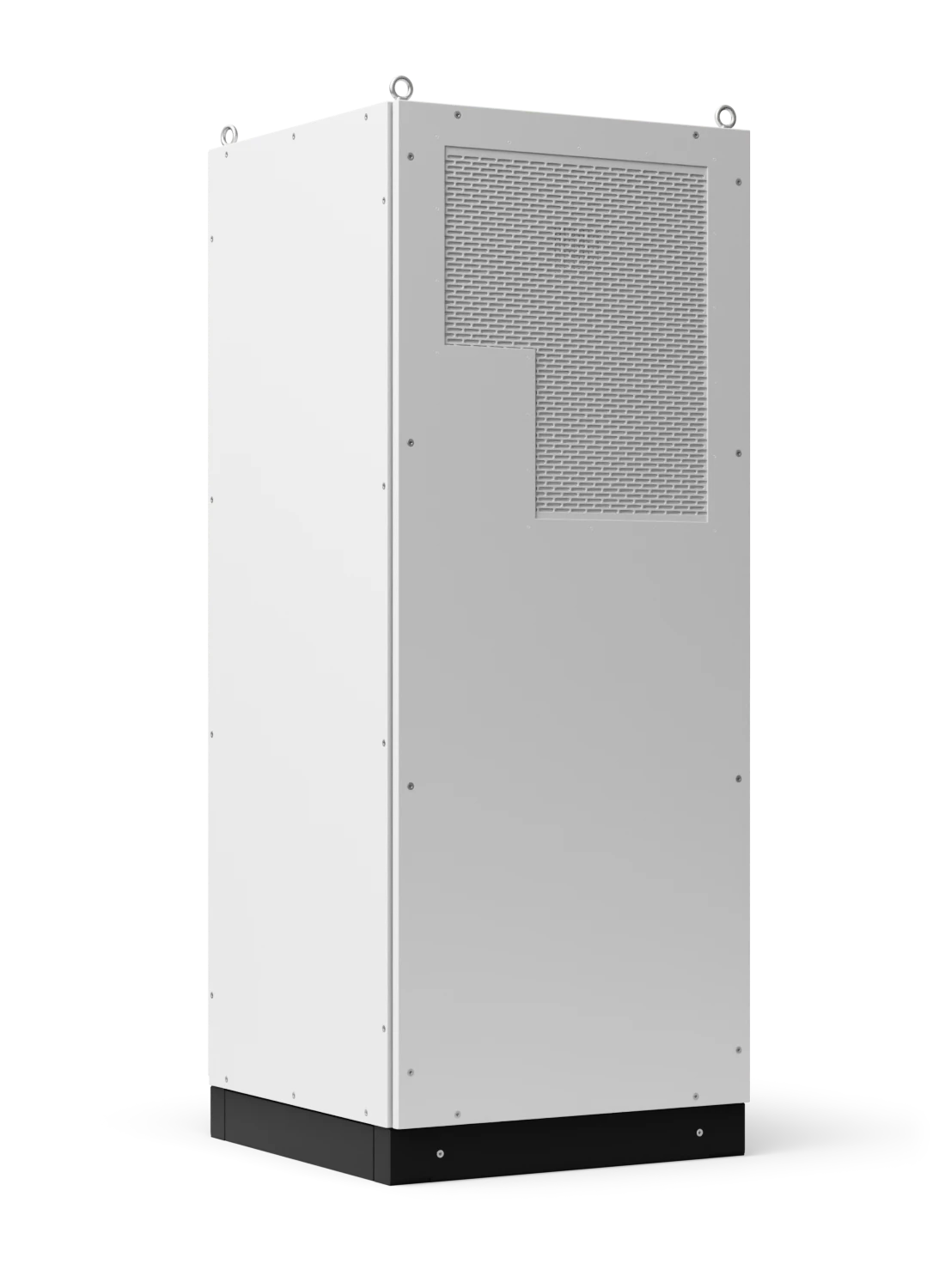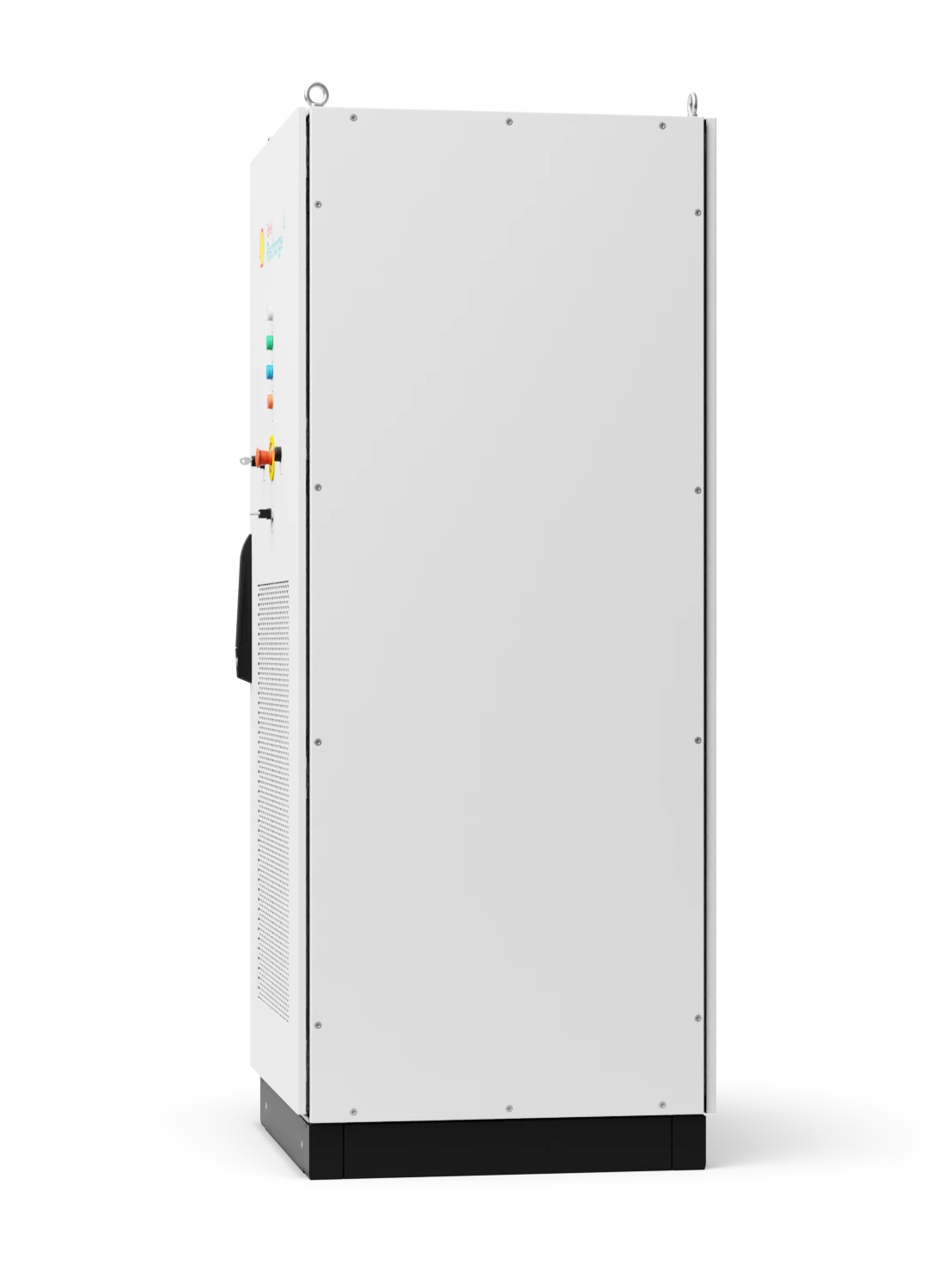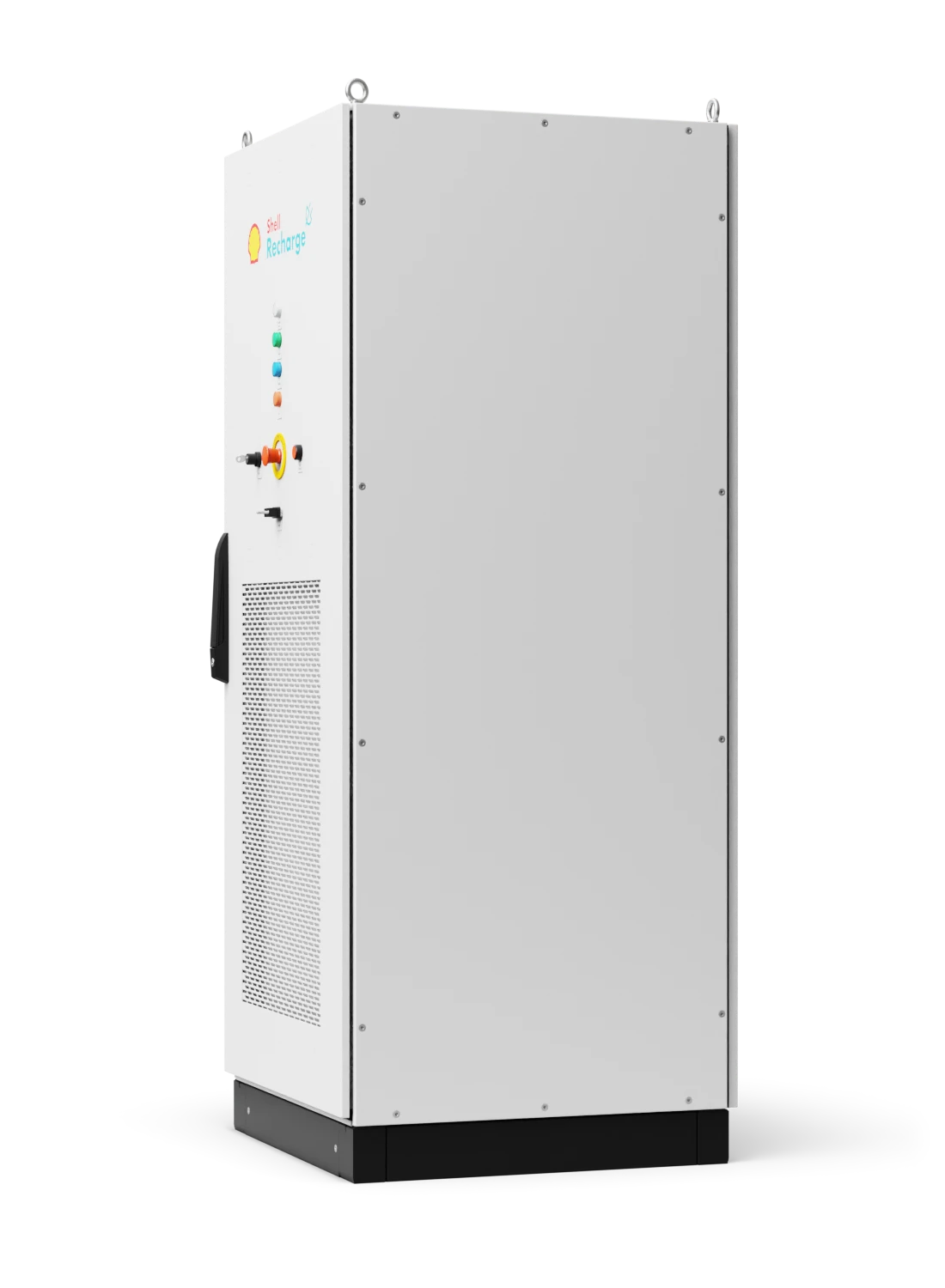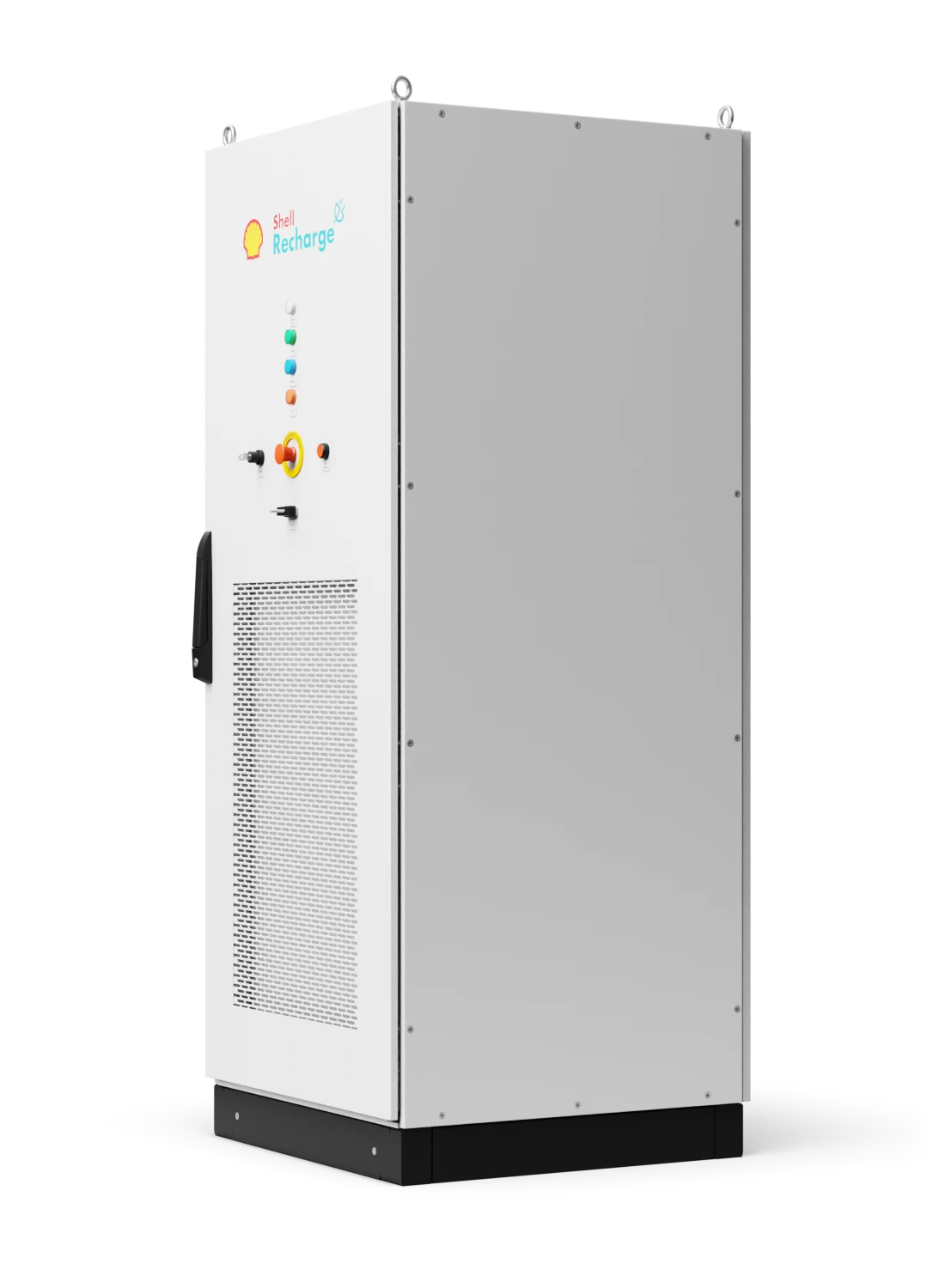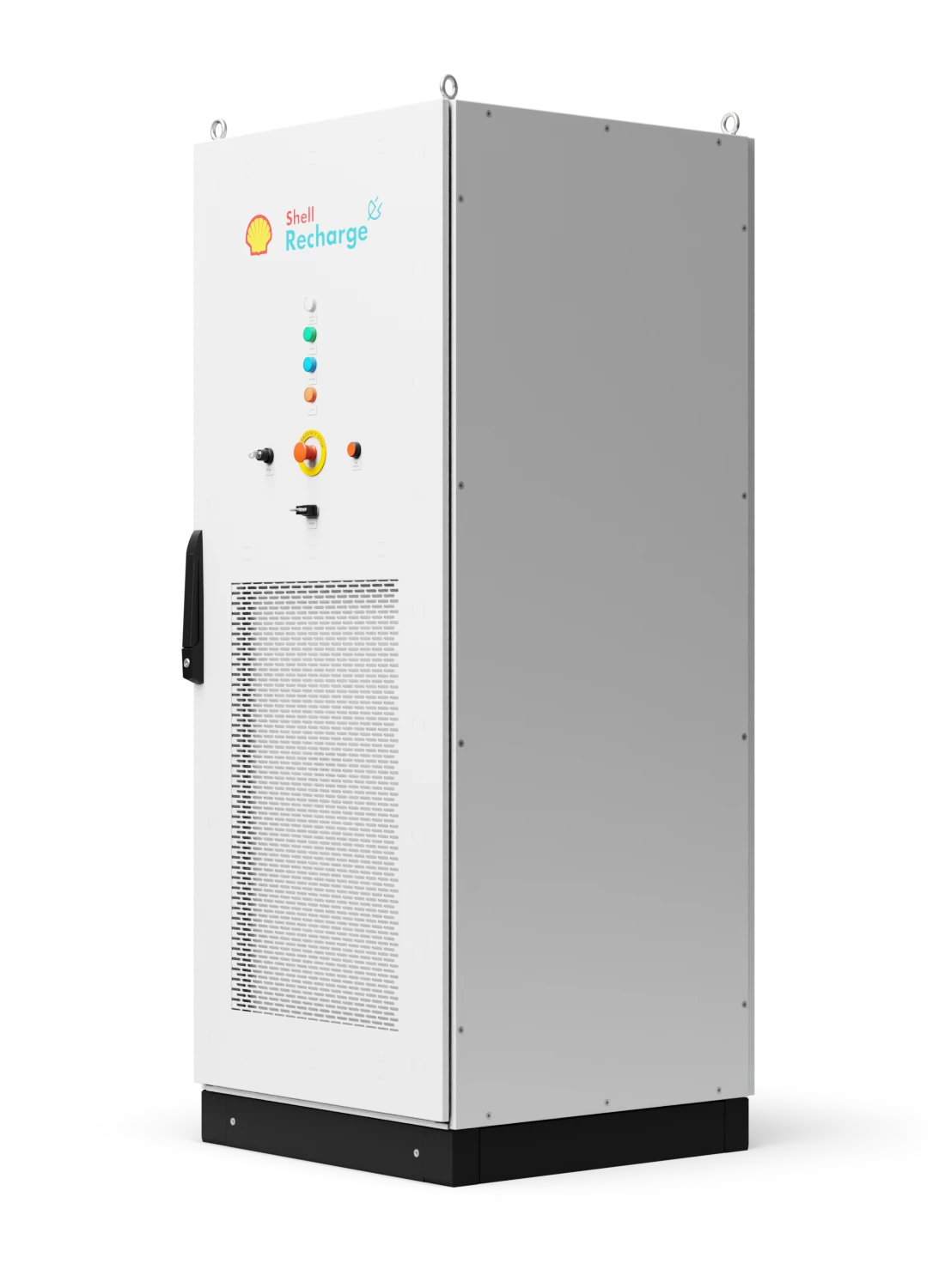
Q-Charger

Compact DC charger for space-limited depots

Q-Charger

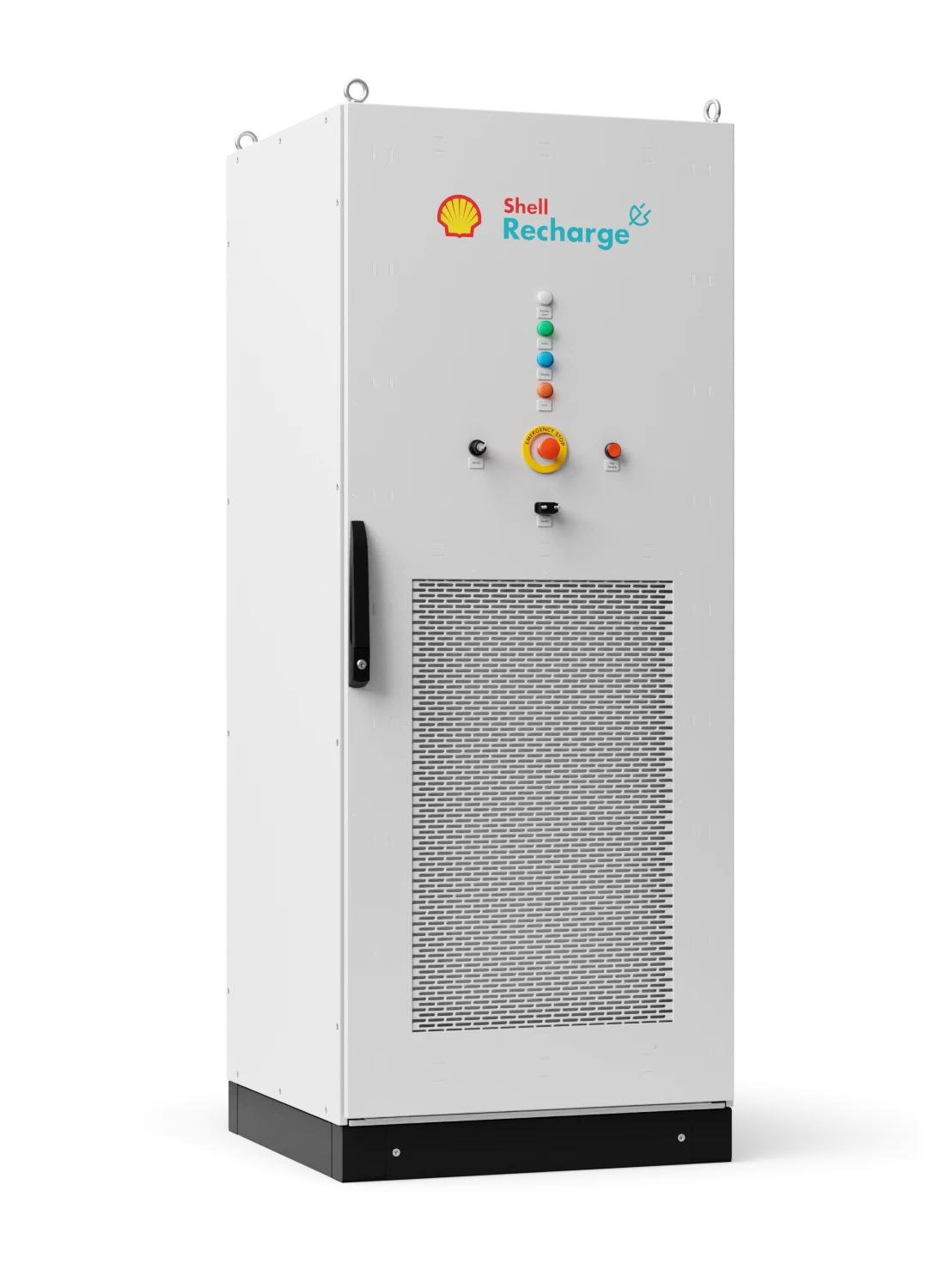
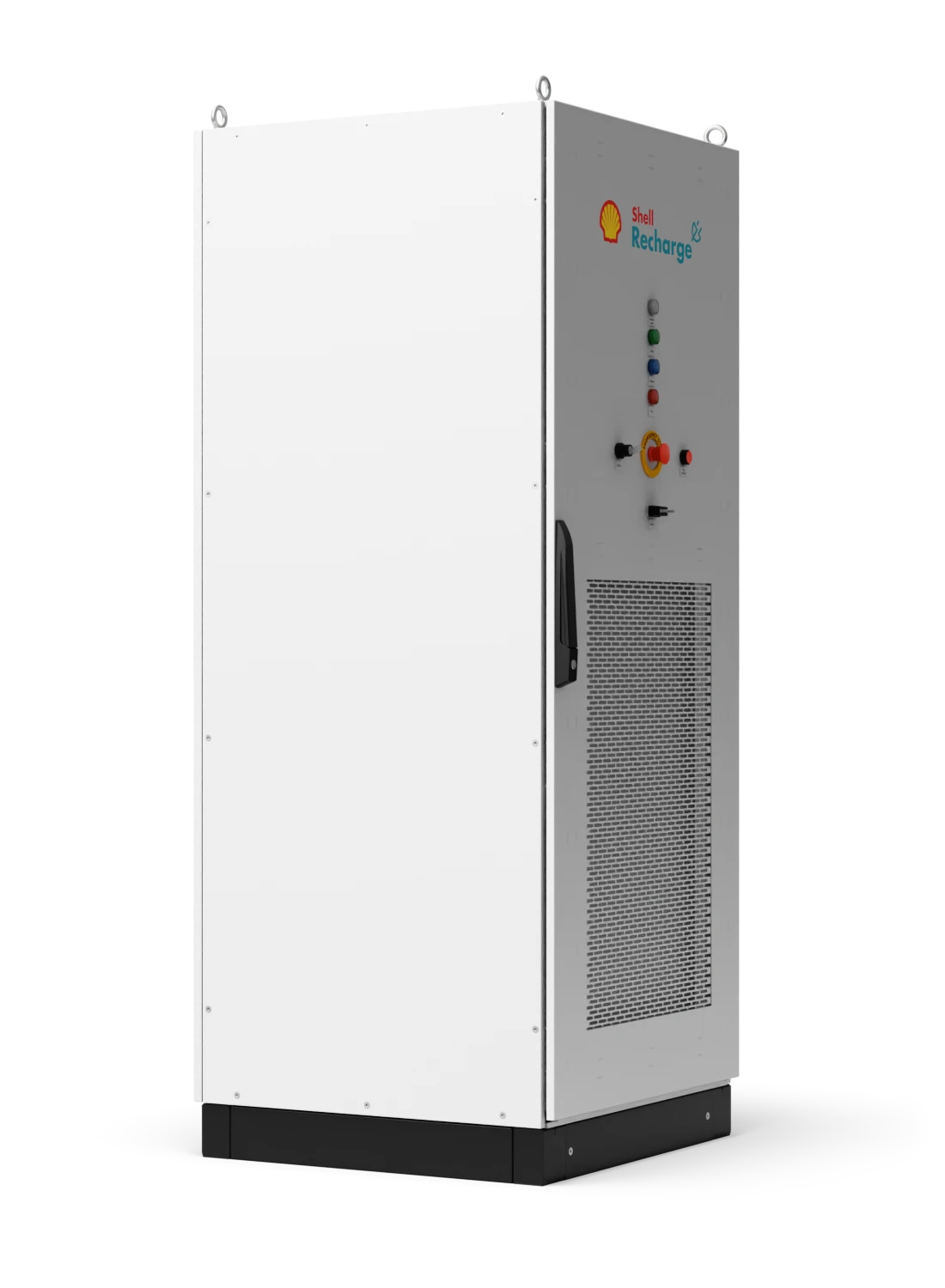
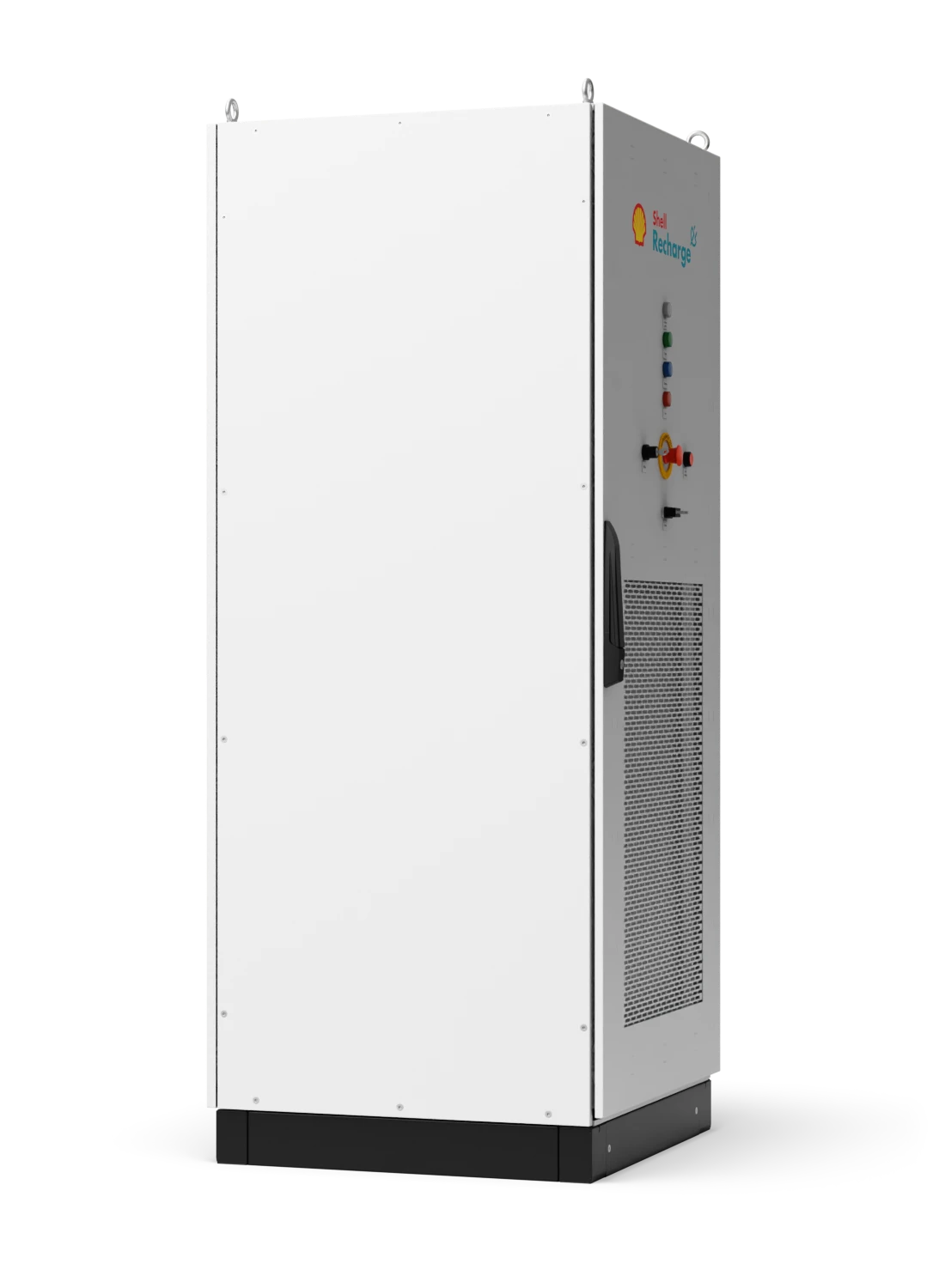
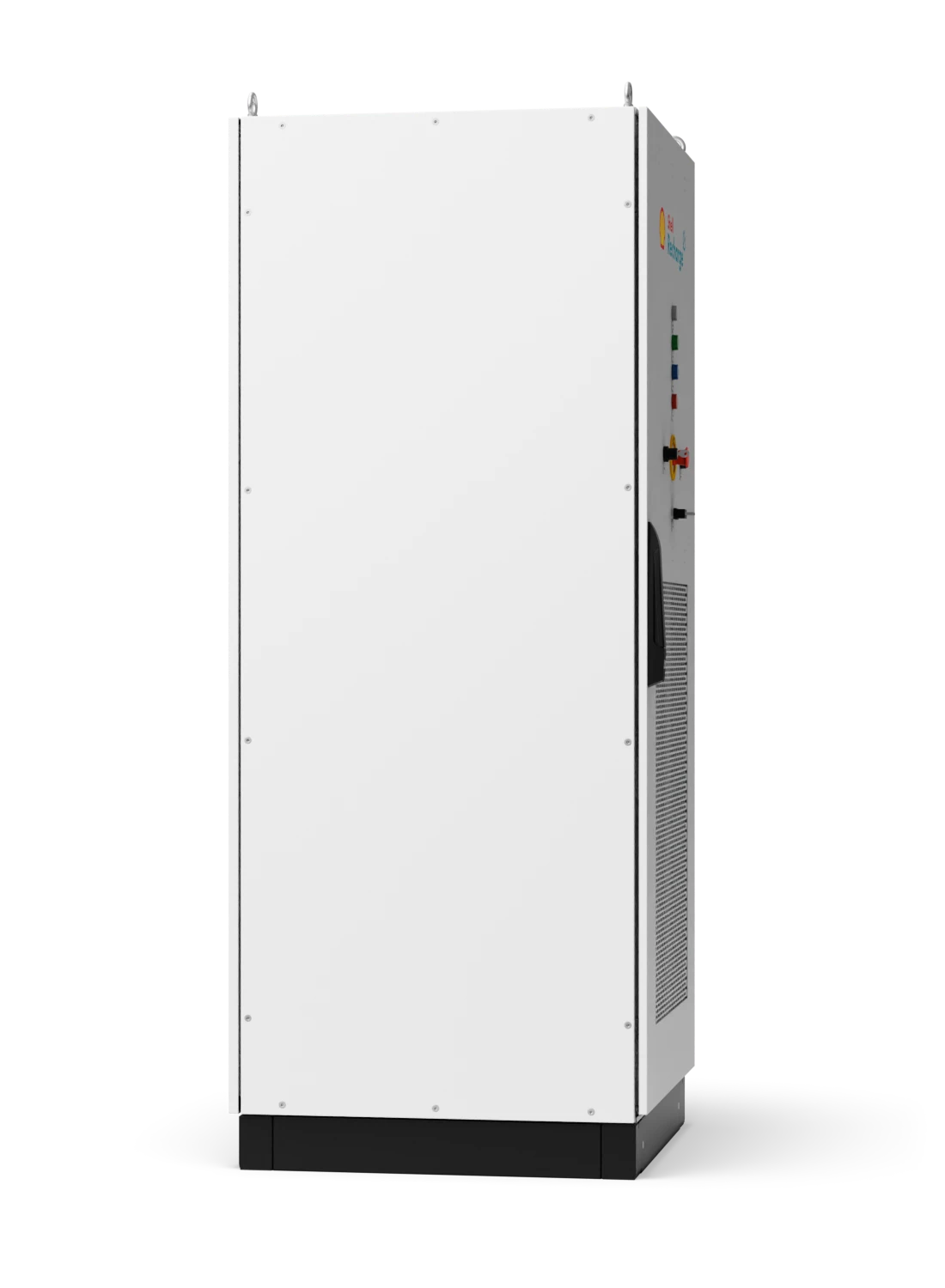
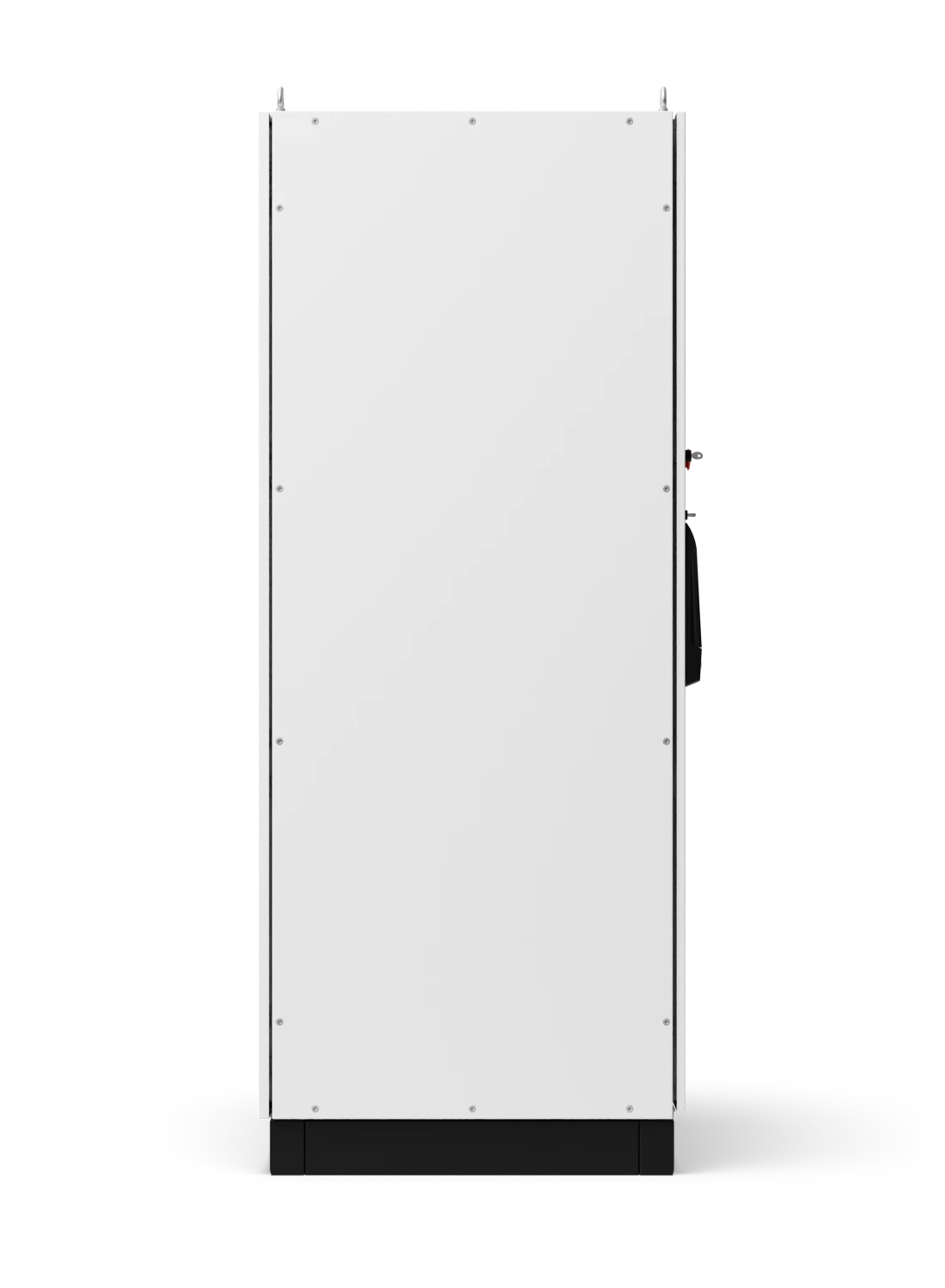
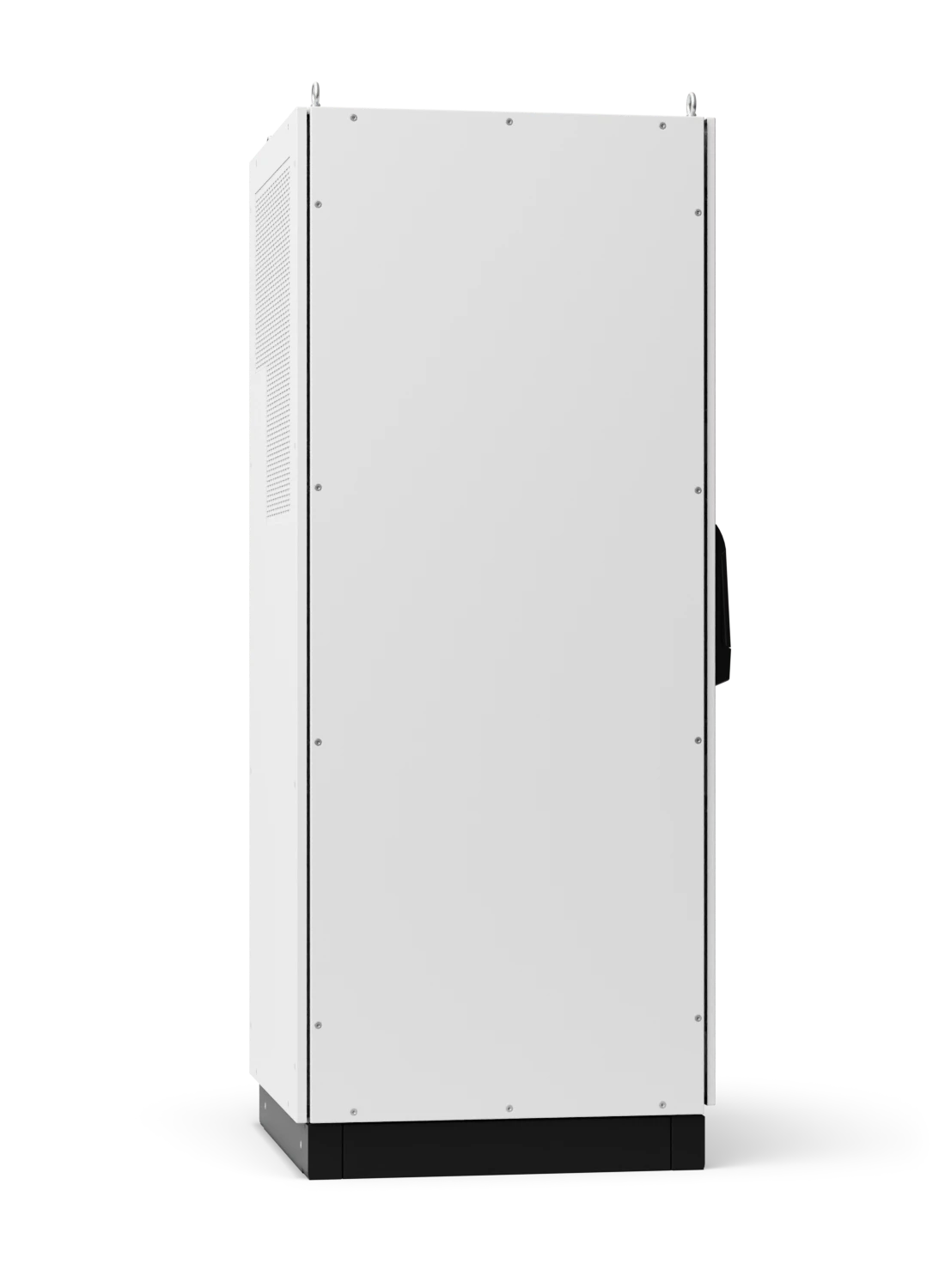
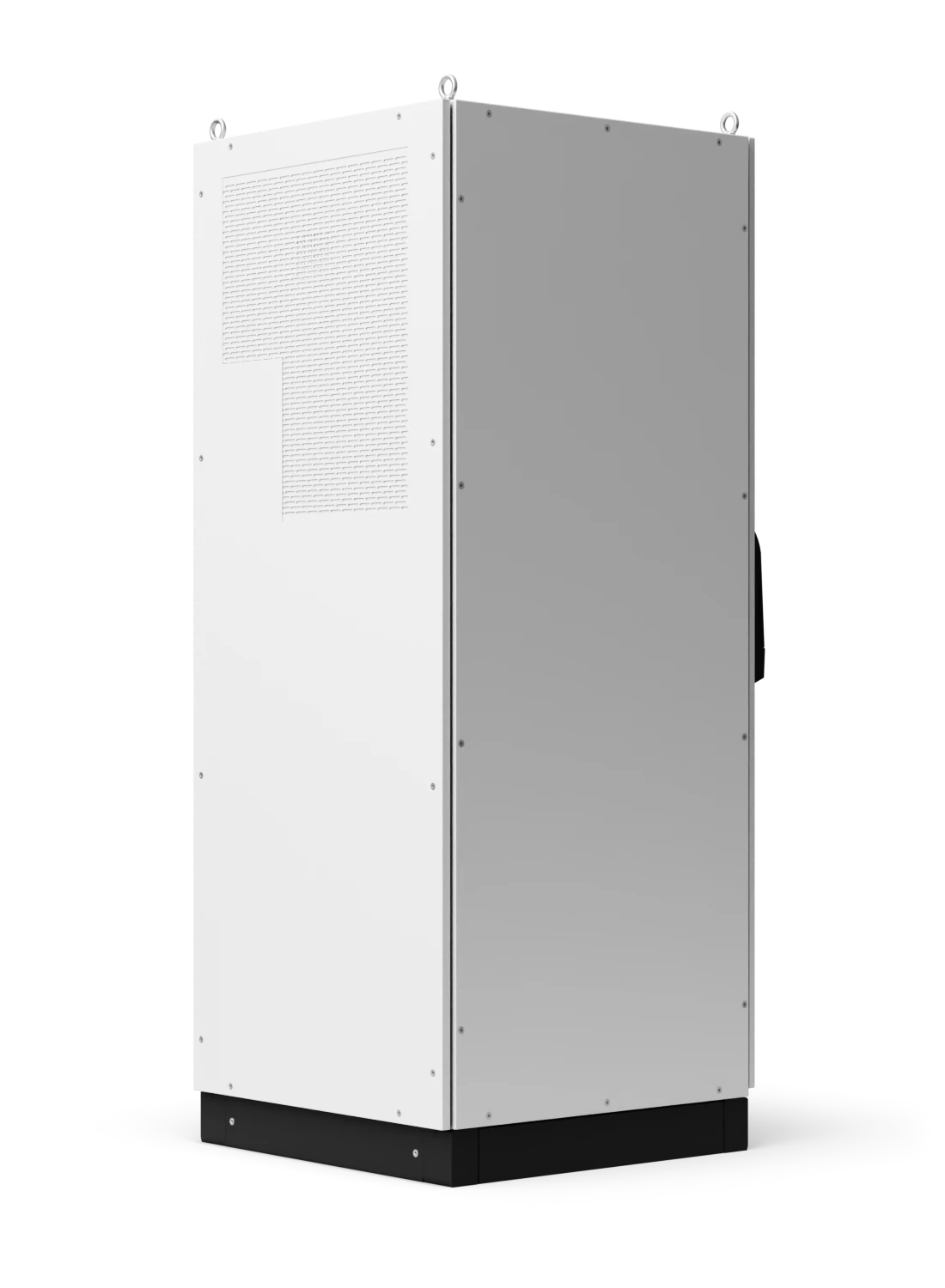
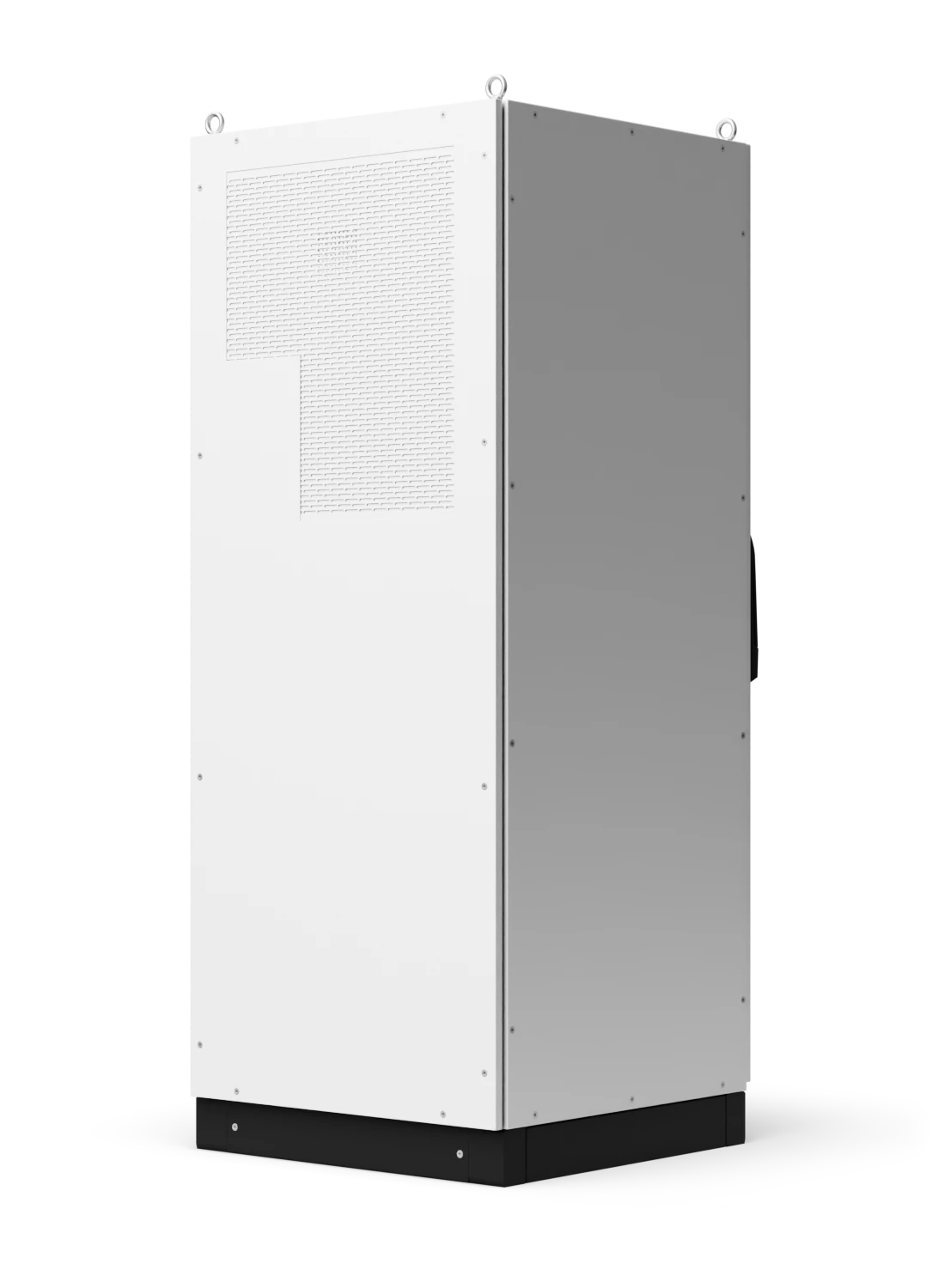
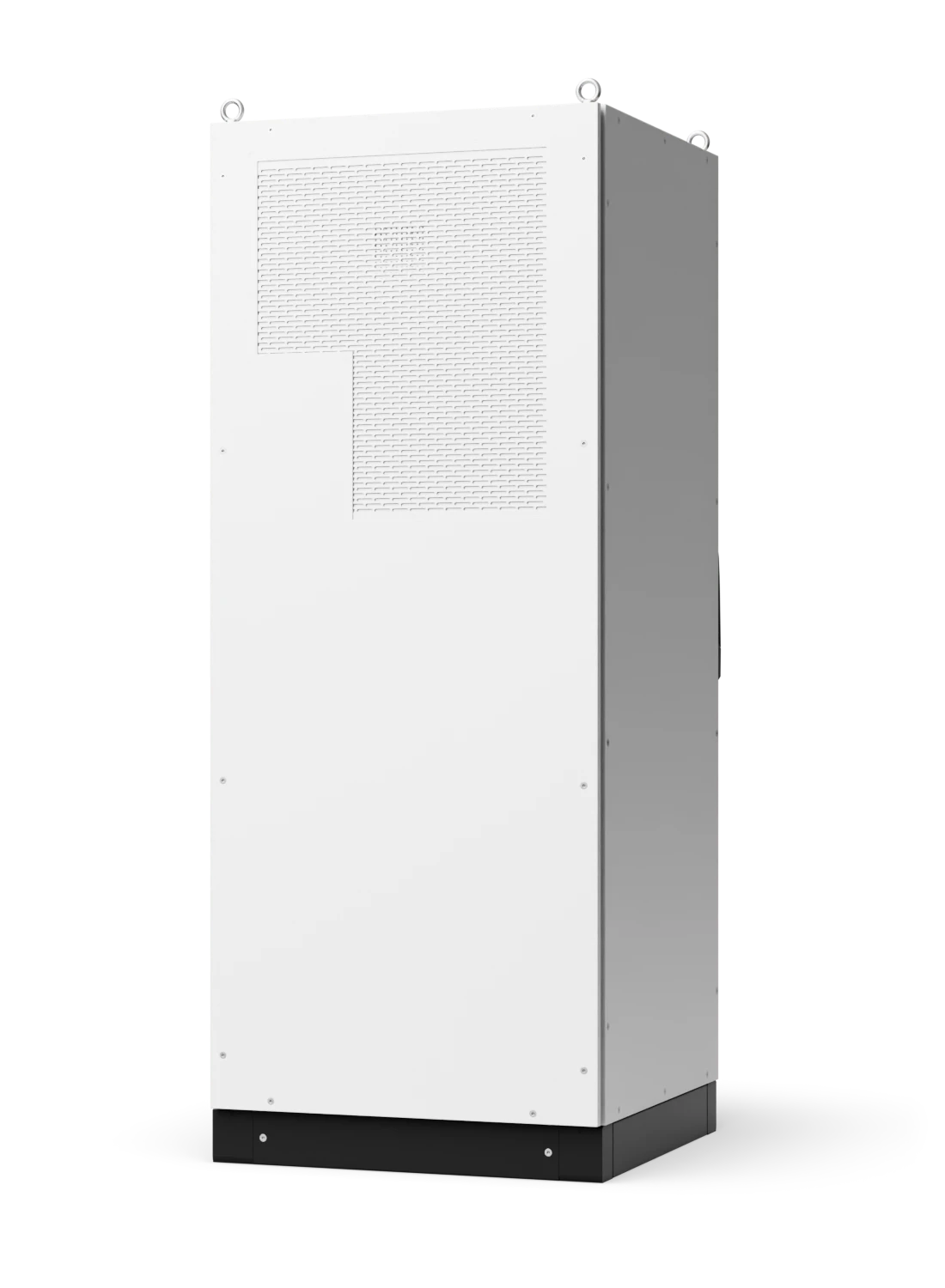
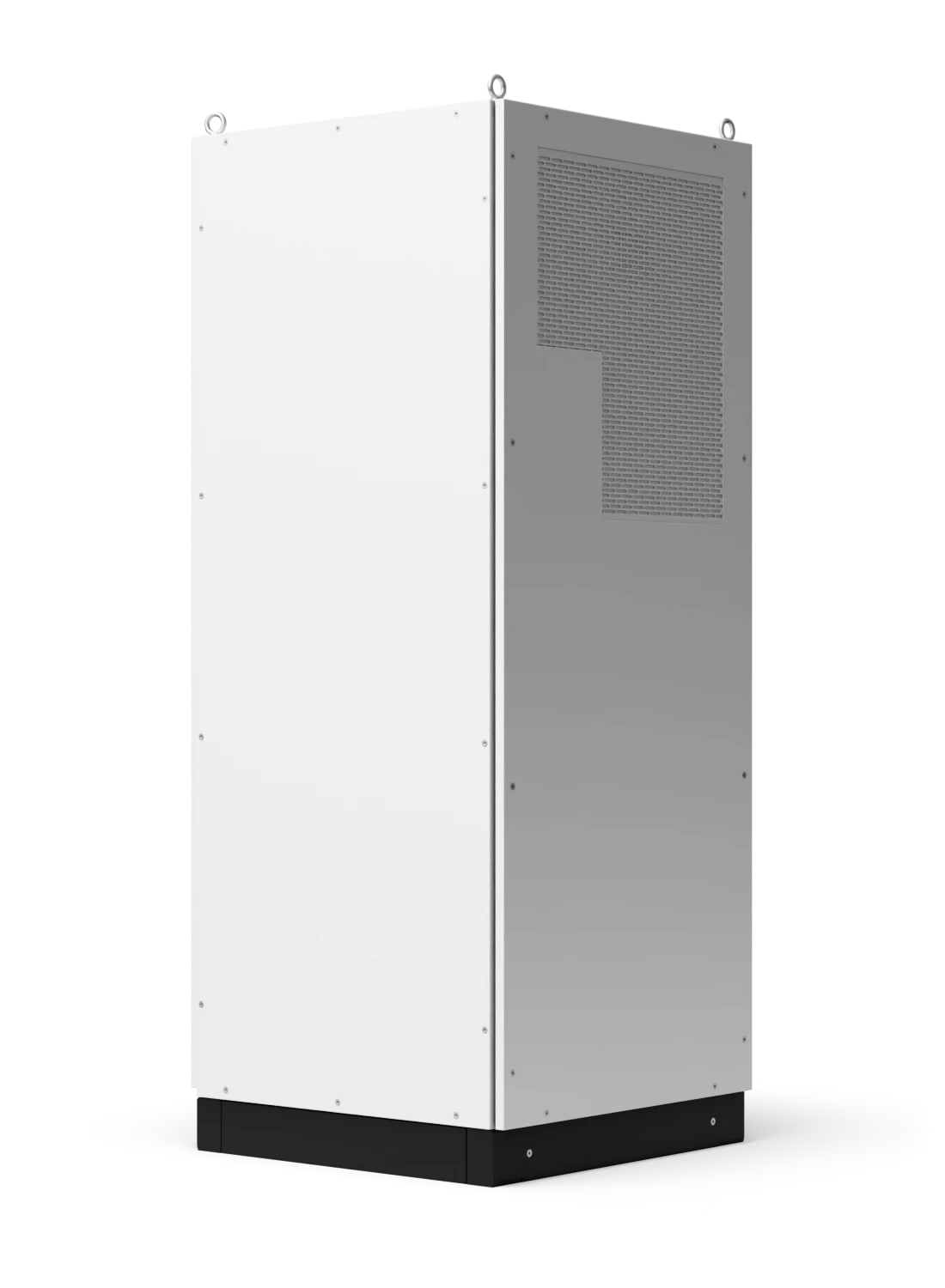
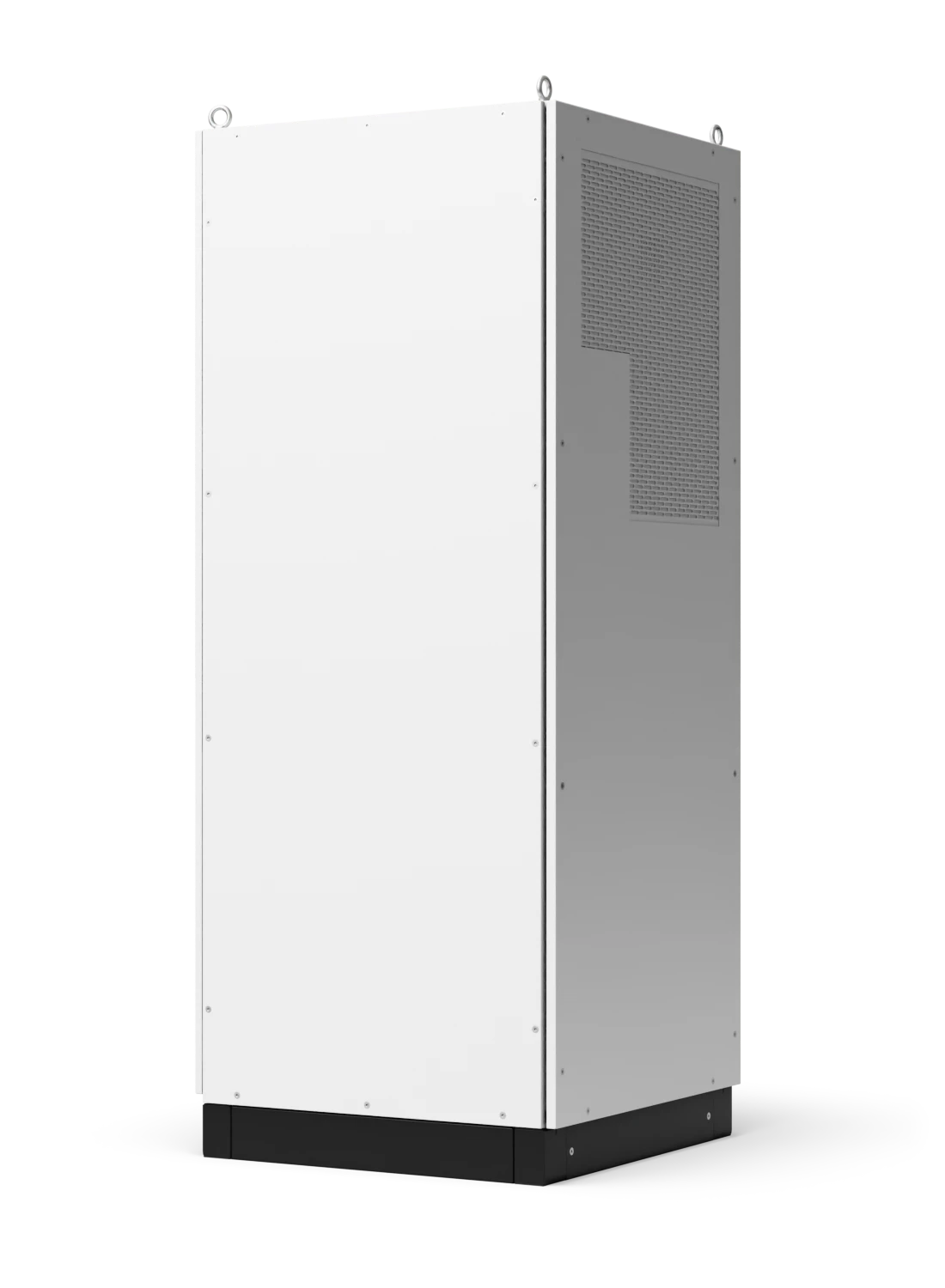
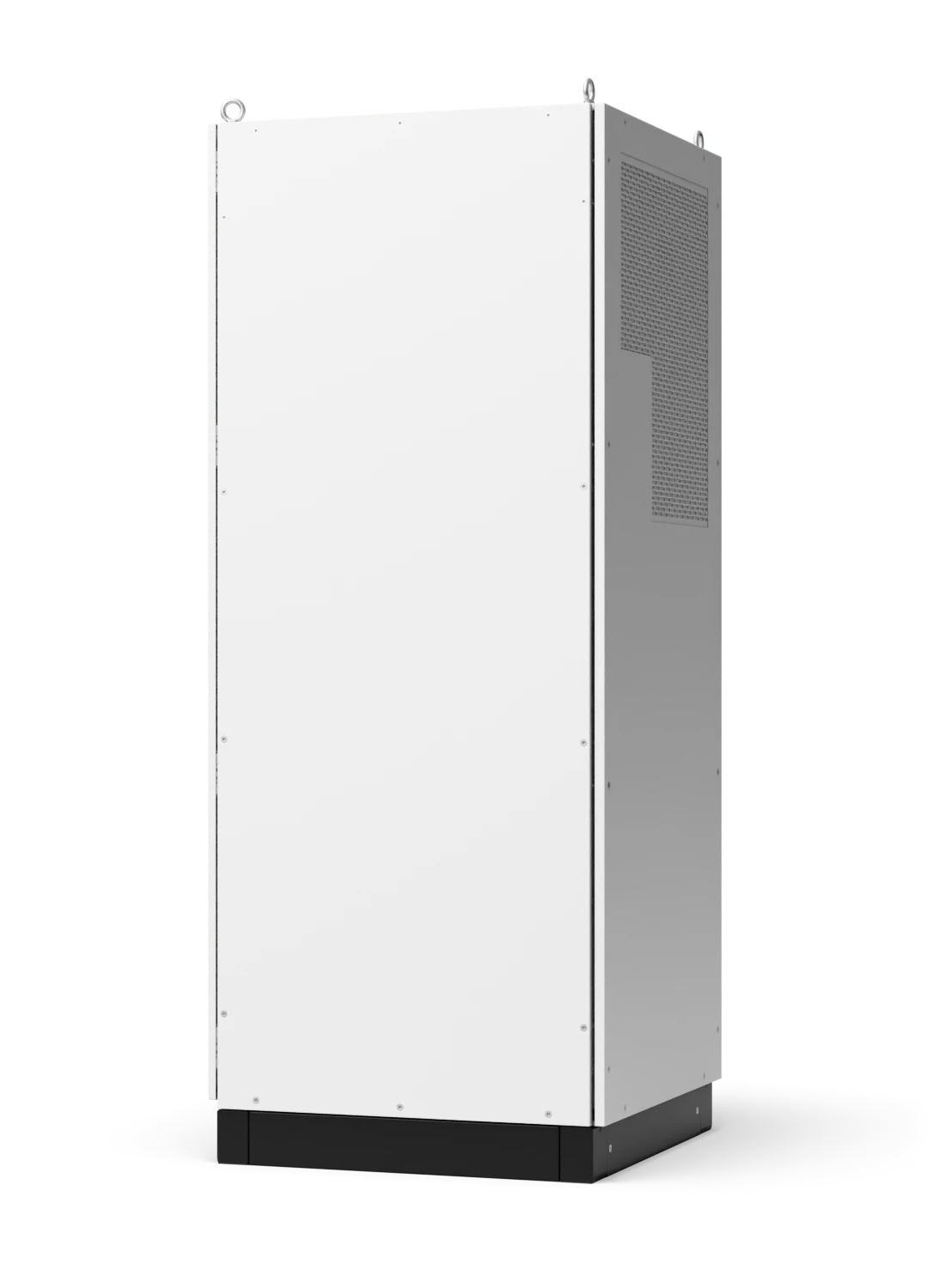
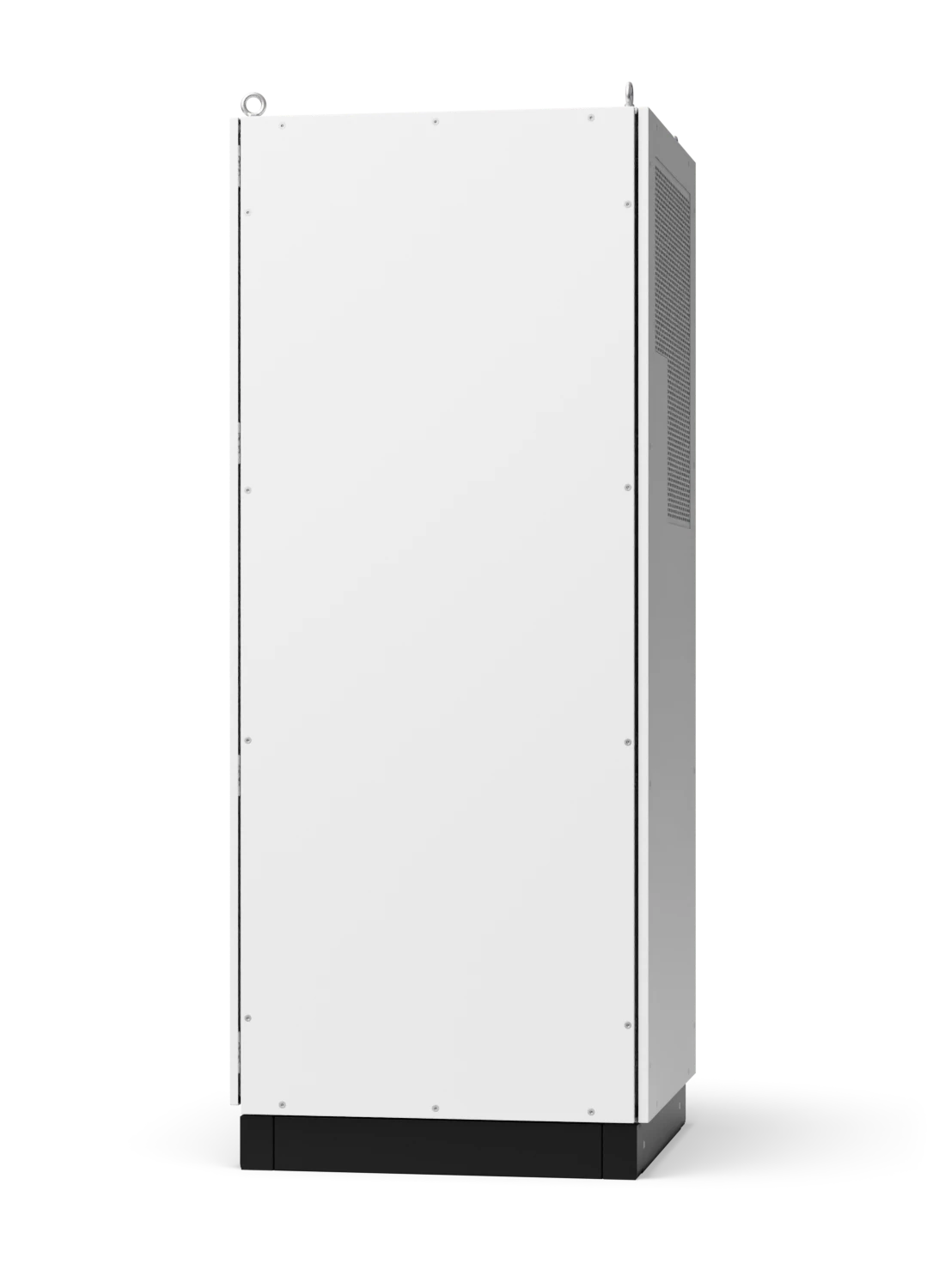
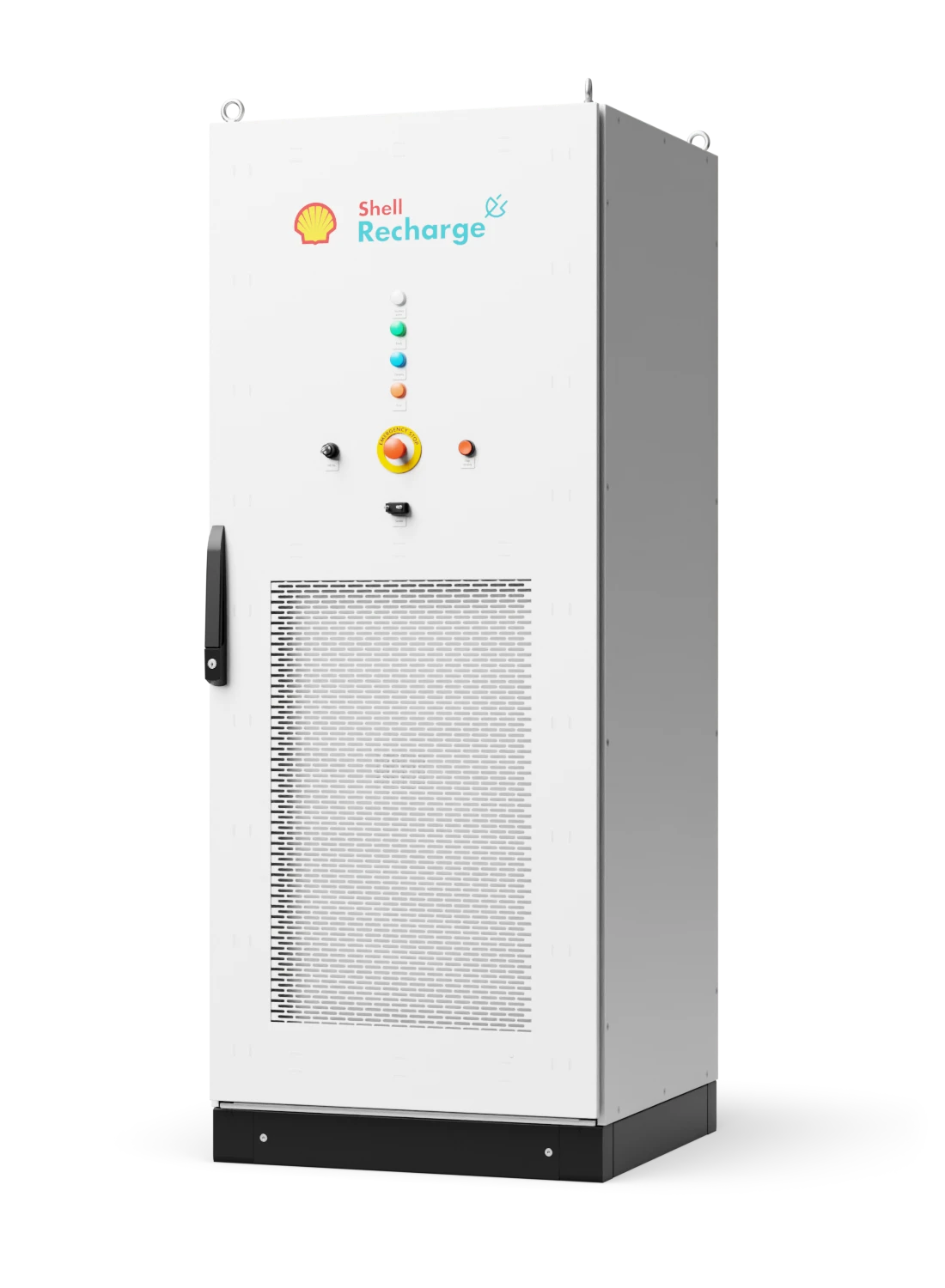
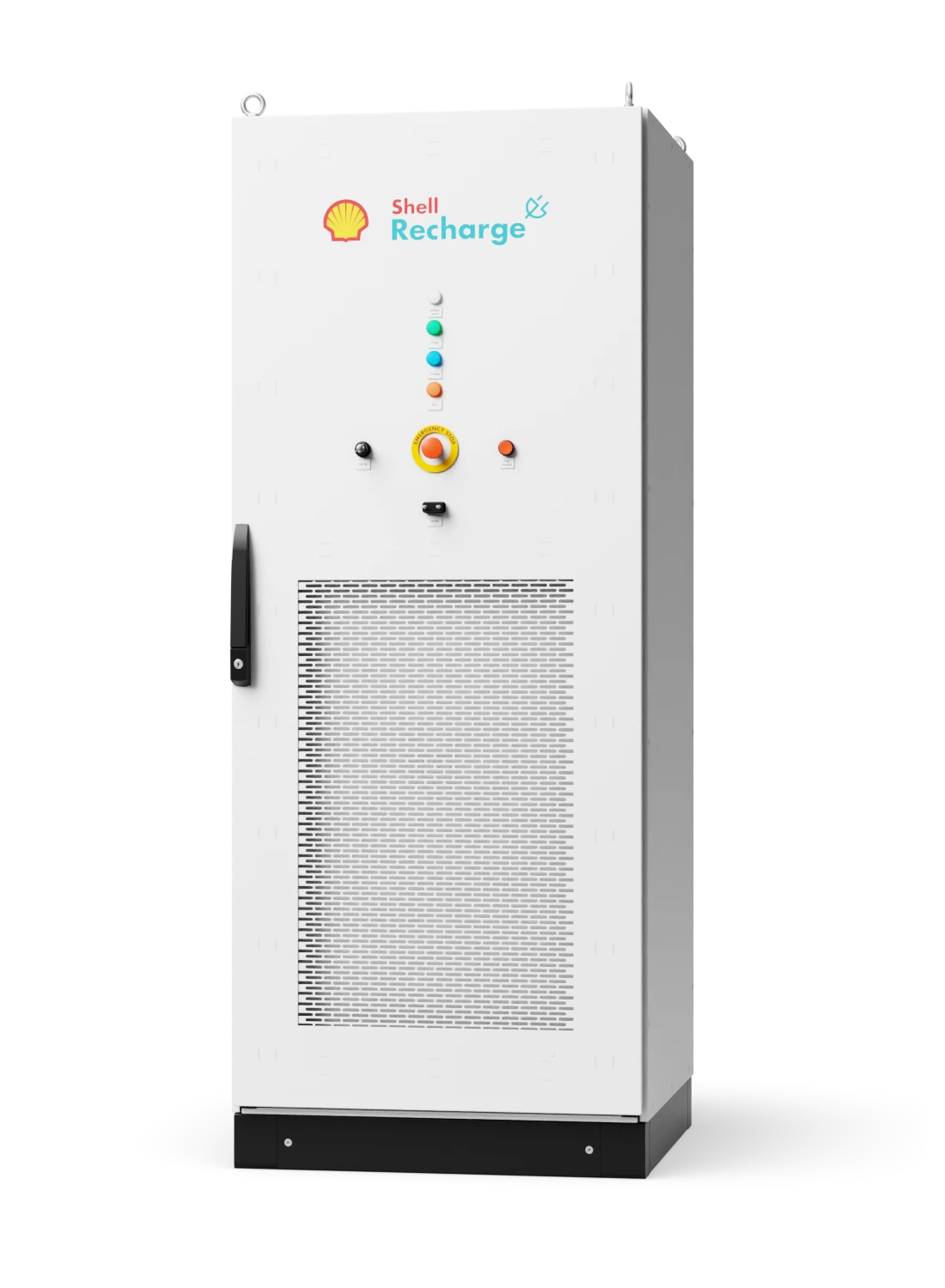
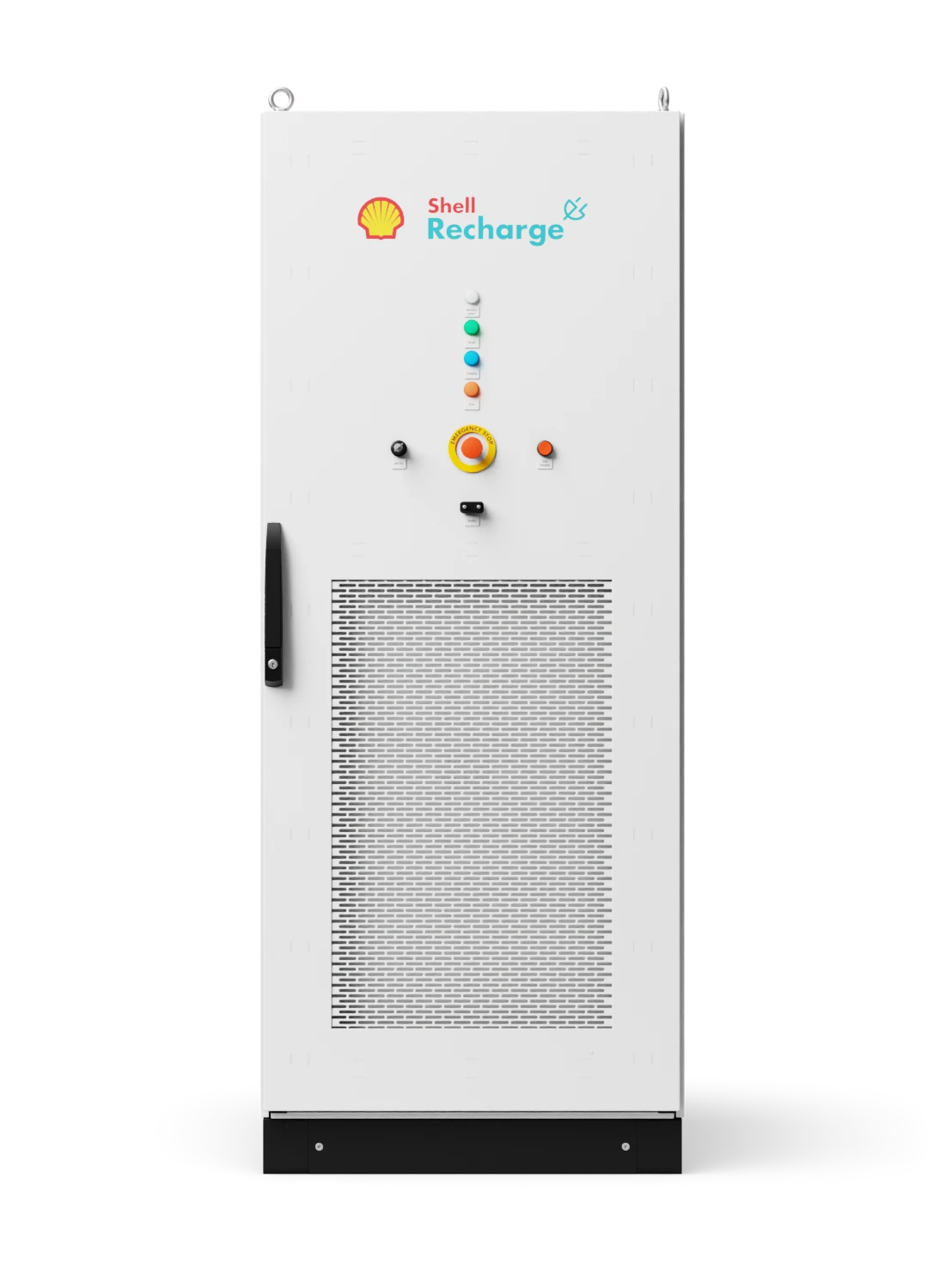
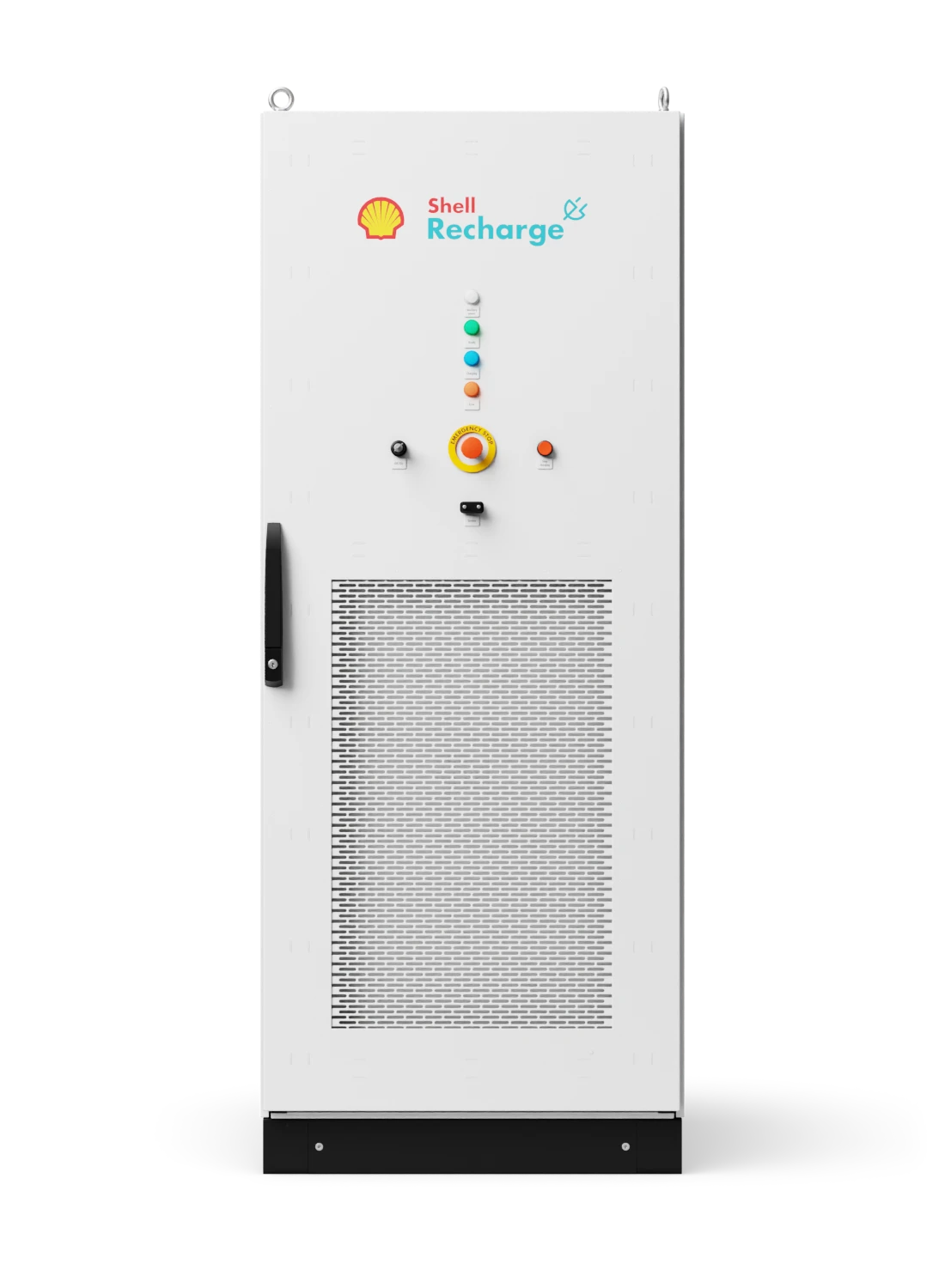
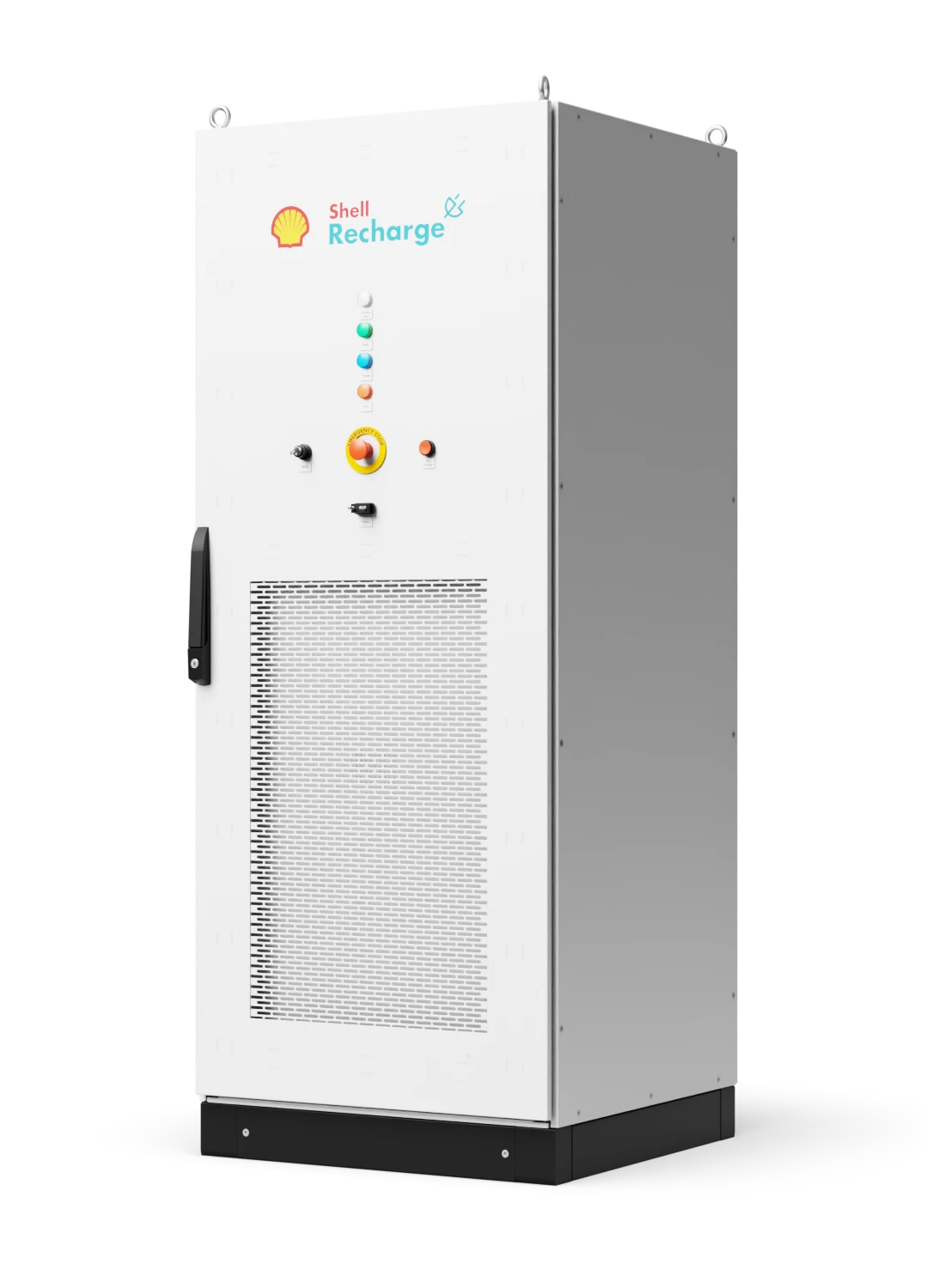
A compact DC charger for depots where space is limited and maintenance access needs to stay simple. Q-Charger is available in indoor and outdoor variants and supports multi-dispenser and master-slave setups. It helps you scale charging points efficiently while keeping servicing straight­forward.

Key features

Compact power for space-limited depots
Energy Icon yellow

Power: Up to 300 kW

Energy Icon yellow

Cooling: Forced air

Hidden

Element hidden from users so that all elements are closed at the beginning. Do not fill.

Dimensions & weight

H: 1800 mm | W: 760 mm | D: 760 mm, approx. 450 kg

Charging concept
Central DC power unit that supplies connected dispensers or routed endpoints – with indoor and outdoor variants to match the site layout.
Available interfaces

Dispenser
Dispenser

Dispenser
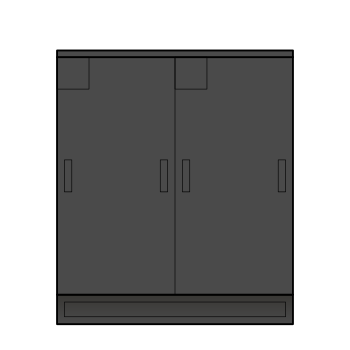
Cabinet

Coupler
Charge Lift

Coupler
Cable

Operational areas

Ideal for fleet depots and logistics hubs with limited space, with indoor and outdoor variants to match the site.
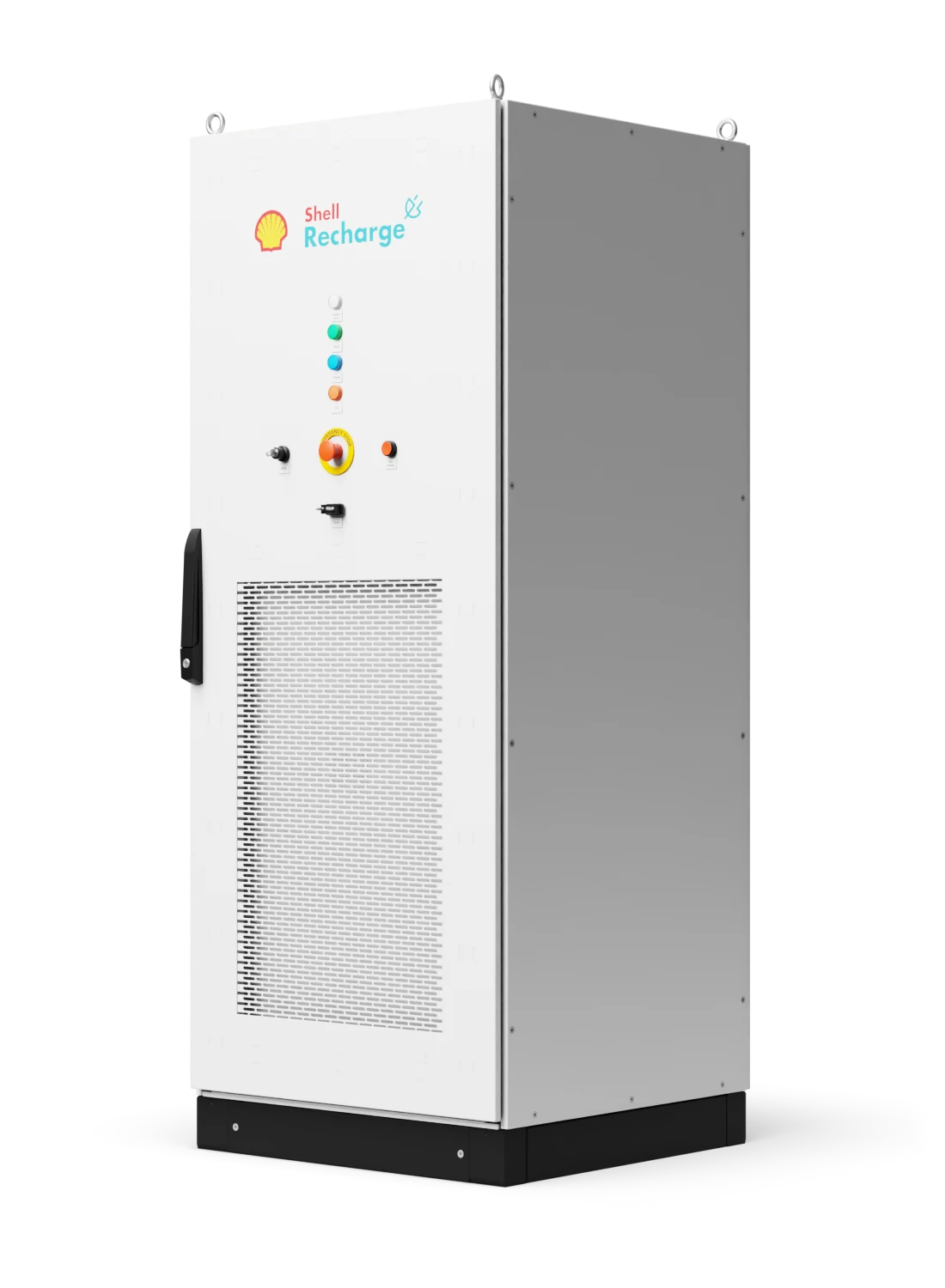
Configurations

Compact depot layouts in practice: three Q-Charger setups showing dispenser connections, routed endpoints and overhead gantry configurations.

Charging at the dispenser

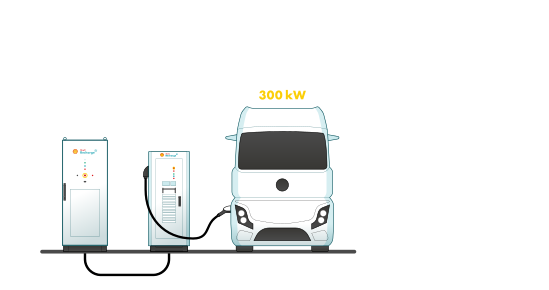
As a DC charger, Q-Charger supplies a connected dispenser where the vehicle plugs in. The dispenser provides the outlet and passes through power from Q-Charger for flexible placement.

Graphic showing the Q-Charger connected to a dispenser at a bus charging position

Mast, reel or cable endpoint

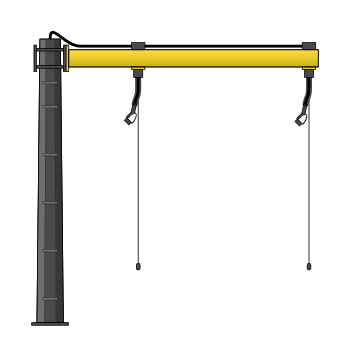
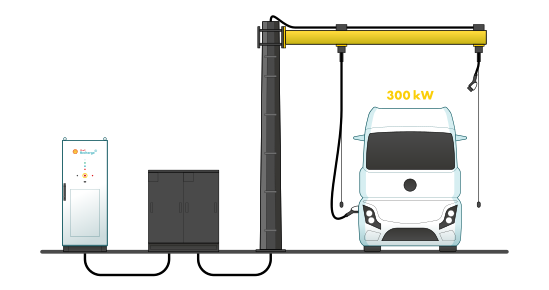
Q-Charger routes power to an endpoint at the charging position, such as a mast, cable reel, charge lift or cable-managed endpoint. A cabinet can sit in between for routing and layout flexibility.
Graphic showing the Q-Charger with cabinet and overhead cable handling at a bus charging position

Overhead gantry for multi-position layouts

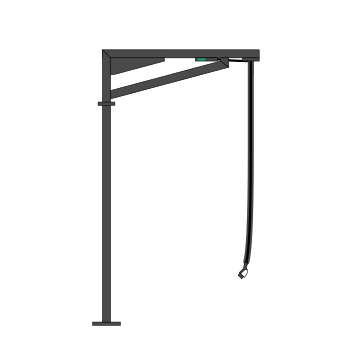
An overhead gantry keeps outlets above the lane and cable handling organised across multiple charging positions. Q-Charger supplies the end­points, with cabinet routing where required by the layout.
Graphic showing the Q-Charger with overhead gantry for organised cable handling at a bus charging position

Operational benefits

When space is tight, Q-Charger keeps depot charging straightforward: compact footprint, service-friendly access and scalable multi-dispenser setups for reliable daily operation.
Connected energy network icon

Simplifies operation in compact sites

Designed for everyday use in depots that need a tidy, efficient installation.
Growth chart icon

Scalable multi-point depot concept

Supports structured growth as more vehicles need charging on site.

Wrench and plug icon

Keeps servicing practical

Designed to support maintenance routines that don’t disrupt daily depot operations.

Shield icon

Works across indoor and outdoor layouts

Choose the variant that fits your site conditions – from indoor installations to out­door depot layouts.
Circular lightning bolt icon

Designed for predictable daily routines

Supports stable, repeatable charging operations in fleet environments.

Explore more

PowerHub 500

Scalable DC charging hardware – purpose-built for heavy-duty fleets

Start with two charge points and scale to six from a single power house. Modular, liquid-cooled and designed for long service life – helping your fleet lower TCO from day one.

What could your fleet save?

Use the TCO calculator to compare diesel and electric truck costs.

1
50
100+

Do you want to understand the full calculation behind your results? Learn more!

Get your detailed TCO report and see where you can save

Do you want to understand the full calculation behind your results? Learn more!

Indicative results based on model assumptions

This calculator provides indicative savings estimates for fleets investing in depot charging infrastructure. The model reflects the impact of depot optimisation, smart charging and energy management across Shell’s integrated network.

This scenario assumes a heavy-duty truck operating 116,000 km per year over 5 years, with 75% depot charging and 25% on-the-go charging supported by a semi-public, energy-optimised eDepot. Actual results will vary depending on market conditions and customer-specific factors.

To explore the broader framework behind these results, learn more about Shell’s Integrated Charging Network.

If you have questions — or don’t yet have a depot solution in place — contact us and we’ll help you explore the right next steps.

Get your fleet's personalised TCO breakdown

Enter your details to receive a tailored breakdown of your fleet’s potential savings.

Email is required.
Company is required.
Phone is required.
By submitting this form, you agree to SBRS's Privacy Policy and Terms of Use. Your personal data will be used to process your TCO report request and, where consented, to send relevant updates. You may unsubscribe or withdraw consent at any time.

Investment you can plan around

Q-Charger supports cost-efficient depot expansion in space-limited sites. Multi-dispenser scalability and master–slave setups help reduce investment per charging point. Forced-air cooling and front access keep running costs manageable.
Growth chart icon

Reduced CAPEX per charging point through scalable multi-dispenser concepts

Connected energy network icon

Master-slave capable architecture supports cost-efficient multi-unit deployment

Lightning bolt with coins icon

Lower OPEX through forced-air cooling and service-friendly access

Location pin with lightning bolt icon

Efficient land use supports better use of limited depot space

Business team planning operational costs on a glass board
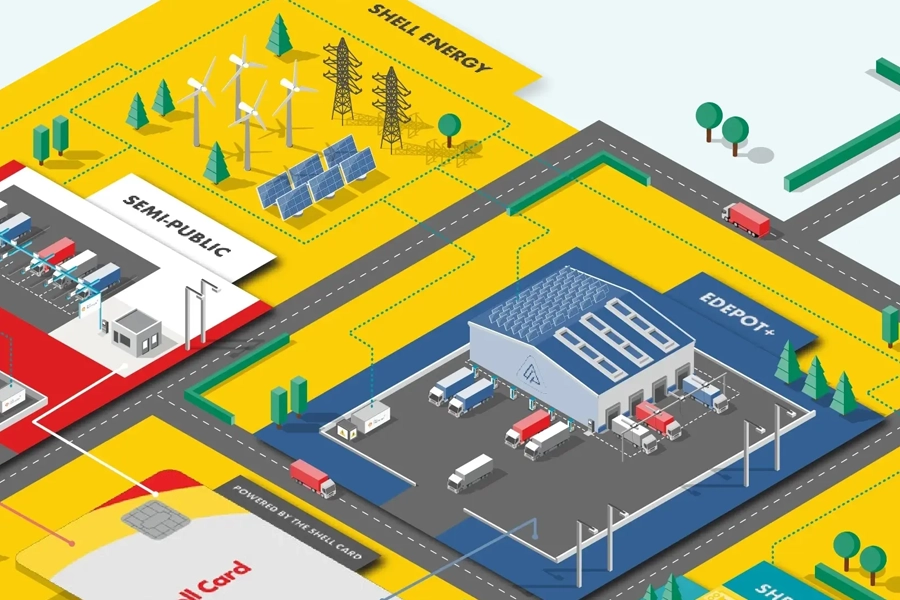
Isometric illustration of Shell’s integrated EV charging ecosystem showing depot, public charging, Shell Card, and renewable energy sources

Economics beyond the charger

Shell ecosystem advantage

Shell’s integrated charging network is designed to support one of the strongest economic levers in fleet electrification: using shared infrastructure across private depot, semi-public and public charging. One network. One card. One invoice. It can help reduce fleet TCO by up to 10% compared to diesel, depending on the customer use case and local conditions.¹

¹ Potential TCO outcomes are based on Shell’s model for a heavy-duty truck operating 116,000 km/year over 5 years, assuming a semi-public, energy-optimised eDepot with 75% private and 25% on-the-go charging. Estimated savings come from third-party eDepot use, Smart Charging energy cost reductions, and preferential network pricing, based on market references (excluding grid upgrades). Actual results will vary by market, vehicle type, and customer-specific factors such as energy prices, infrastructure costs, utilisation, and location. 

Learn more about Q-Charger

Whether you are looking for personal guidance, detailed technical specifications or a broader product overview – find the right next step for a space-efficient DC charger setup in your depot.

Explore the portfolio

Discover more DC charging solutions

Still exploring? Take a look at more SBRS hardware solutions to see what else supports your depot’s long-term strategy.

Personal guidance

Talk to real experts

Discuss your depot layout, available space or rollout plans with our experts and find the right Q-Charger variant for your operation.

Related topics

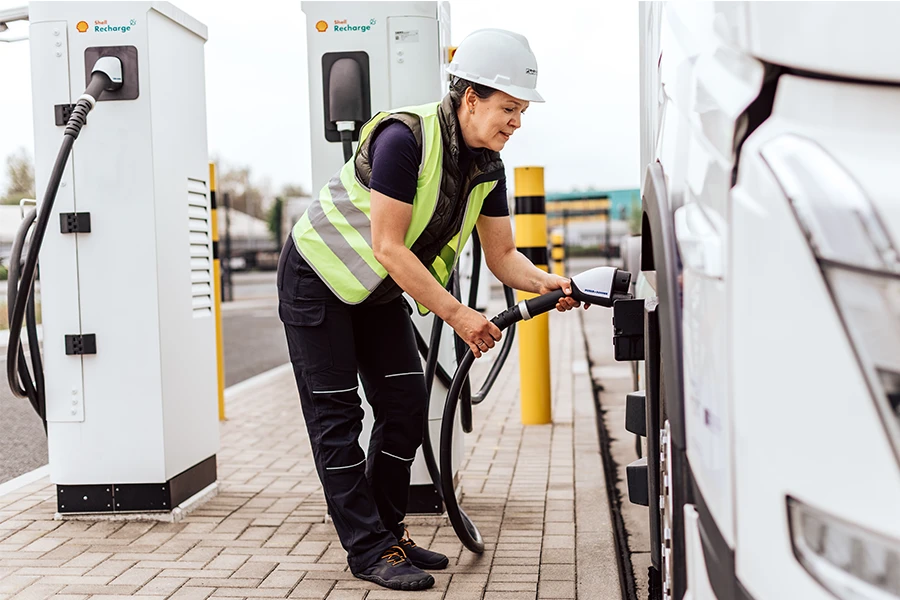
Electric truck being charged at a Shell Recharge station – example EV charging solution for the logistics sector.
How charging concepts are adapted to the operational needs of bus fleets, logistics operators and maritime environments.
Person analyzing data dashboards on a large screen display
Software that supports planning, monitoring and energy optimisation in everyday depot operations.
Isometric illustration of Shell’s integrated EV charging ecosystem showing depot, public charging, Shell Card, and renewable energy sources
Integrated charging networks and smart hardware designed to help heavy-duty fleets reduce total cost of ownership.

Contact us

Questions about your fleet? We’re here to support you.

Portrait of a support representative – symbolizing contact support for SBRS fleet solutions.