


Road
Truck charging solutions built for heavy-duty transport
Truck charging has to keep up with tight schedules in heavy-duty road operations. If the charging set-up doesn’t match shift patterns, dwell times and yard constraints, fleet availability can drop quickly – vehicles queue, dispatch becomes harder to manage, and costs become less predictable. Add limited grid capacity and mixed duty cycles, and electric truck charging infrastructure becomes an operational challenge, not just an engineering project. Understanding these realities is key to choosing a truck charging approach that’s robust, scalable and operationally fit.

Planning know-how
Operational-first electric truck charging design
Electric truck charging only works when it matches real duty cycles, dwell times and yard flow. We translate your routes, shift patterns and turnaround requirements into a practical site layout, charger strategy and power demand model. This includes grid connection planning, phasing for expansion, and a realistic view of constraints like space, access, and safety. The result is a plan that’s operationally fit – not just technically feasible.
Execution
Build and integrate without disrupting operations
Implementation is more than installing chargers: it’s power supply systems, cabling, civil works, safety concepts and commissioning. All coordinated around daily depot activity. We align stakeholders and timelines so construction and cutovers don’t derail throughput. Designs are translated into a compliant, dependable charging infrastructure that fits the site from day one. And because fleets scale, the build is structured for step-by-step expansion.


Operation
Keep charging uptime high – every shift, every day
Once trucks depend on charging, reliability becomes an operational KPI. Monitoring, remote diagnostics and preventive maintenance help catch issues before they cause downtime. Smart scheduling and load control keep charging aligned with dispatch priorities, shift handovers and grid limits. Clear service processes also matter. Defined escalation paths, response times and reporting make performance predictable and reduce operational risk as utilisation grows.
Energy
Make power and costs work for truck operations
Grid capacity and electricity pricing often decide how fast a truck charging rollout can scale. A robust energy set-up looks at renewable supply options, tariff structures and peak management – not as an afterthought, but as part of day-to-day operations. Energy optimisation – such as dynamic pricing, load shifting, PV or storage – helps reduce cost exposure and avoid unnecessary grid upgrades. The goal is simple: stable fleet readiness with predictable energy costs.

Solution options
Explore SBRS EV charging infrastructure models for truck charging, designed to match your needs for uptime, access control, scalability and cost.
eDepot Private
Private charging behind the fence for your own fleet – turnkey infrastructure with reliable 24/7 access and predictable uptime.
eDepot+
Controlled-access depot charging for trusted partners, with clear access management and simplified billing and settlement.
Semi-Public
Open your depot to public charging during defined hours to maximise utilisation and generate additional revenue.
Public Shell Recharge
Public truck charging at key locations with Shell network access – including Book & Charge where available, for ad hoc use or reserved, fleet-dedicated bays.
Benefits at a glance
From yard flow to grid constraints, these benefits show how electric truck charging can stay reliable, cost-controlled and ready to grow.






What could your fleet save?
Use the TCO calculator to compare diesel and electric truck costs.
Do you want to understand the full calculation behind your results? Learn more!
Get your detailed TCO result and see where you can save
Do you want to understand the full calculation behind your results? Learn more!
Indicative results based on model assumptions
This calculator provides indicative savings estimates for fleets investing in depot charging infrastructure. The model reflects the impact of depot optimisation, smart charging and energy management across Shell’s integrated network.
This scenario assumes a heavy-duty truck operating 116,000 km per year over 5 years, with 75% depot charging and 25% on-the-go charging supported by a semi-public, energy-optimised eDepot. Actual results will vary depending on market conditions and customer-specific factors.
To explore the broader framework behind these results, learn more about Shell’s Integrated Charging Network.
If you have questions — or don’t yet have a depot solution in place — contact us and we’ll help you explore the right next steps.
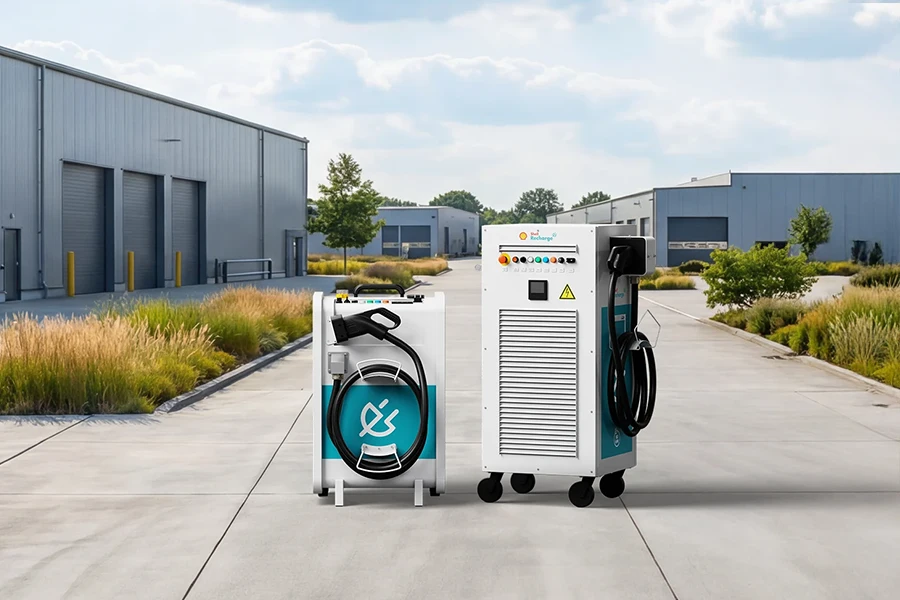
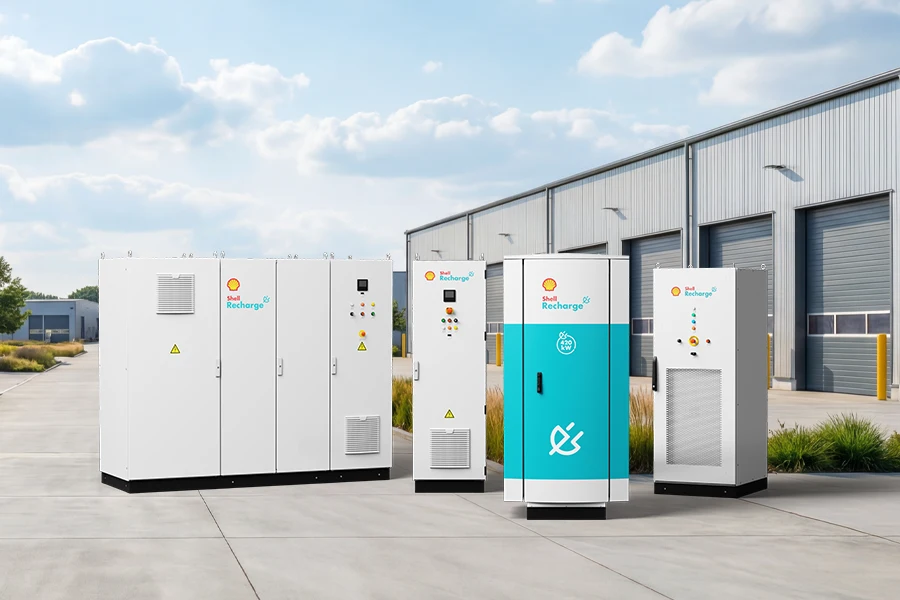
Your depot depends on dependable hardware
Truck depots need hardware that performs under tight turnarounds and continuous use – built for heavy-duty charging. Explore our proven charging components and configurations to choose what fits your site best.

Proven experience
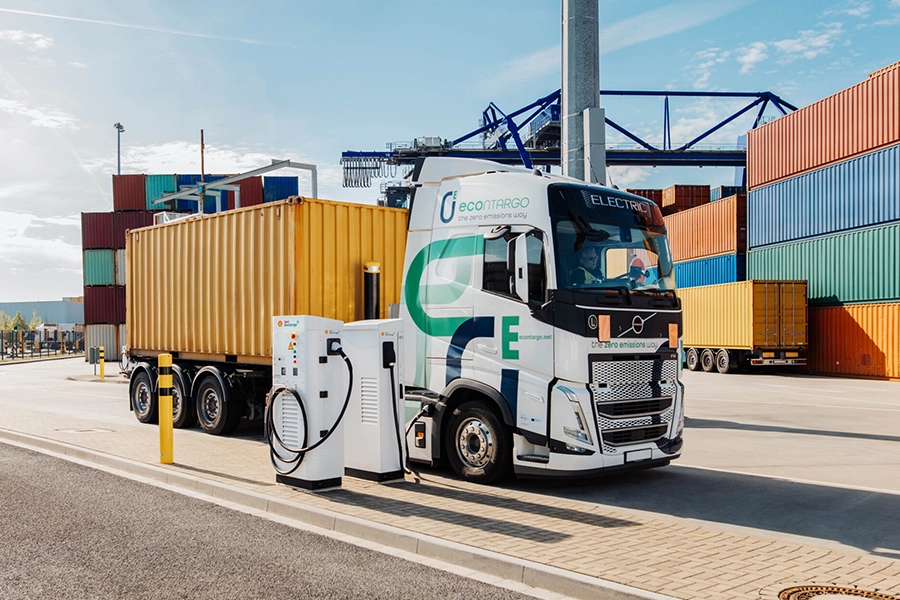
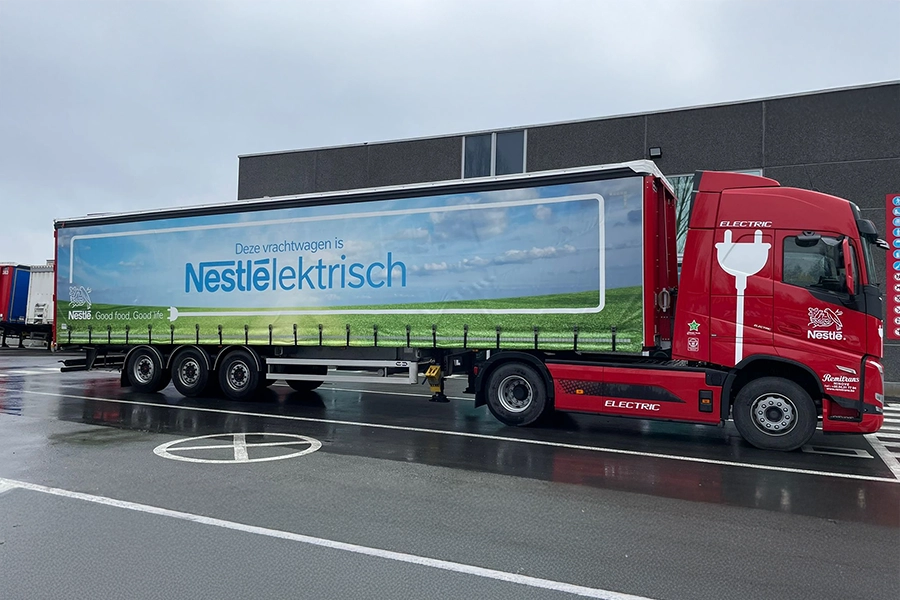
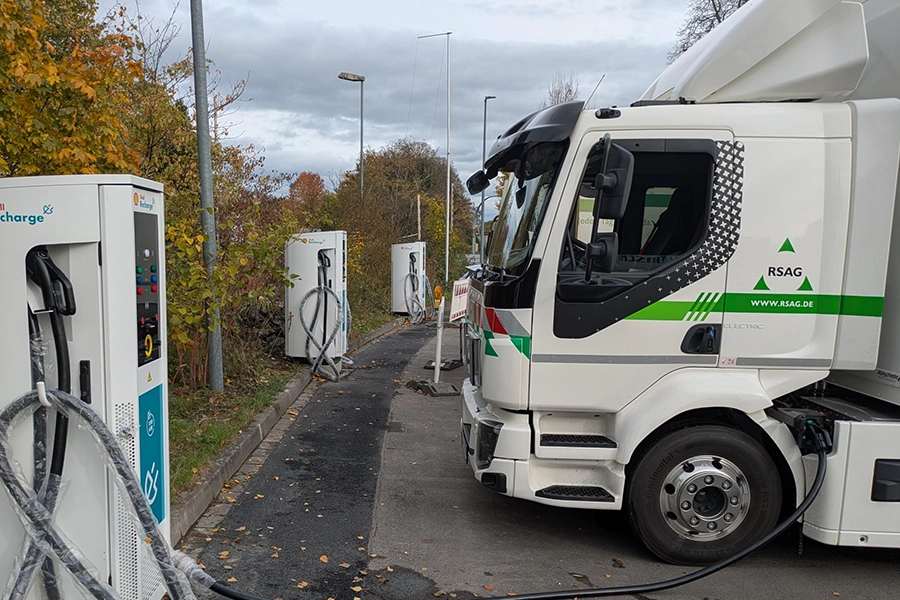
Explore real-world truck charging projects – from private depot networks to semi-public sites and turnkey delivery.
Learn more about our truck depot solutions
Practical next steps for reliable truck charging: Turn grid limits, yard flow and shift patterns into a charging set-up that stays dispatch-ready.
Personal guidance
Build a charging set-up that fits your truck operation
Share your routes, turnaround windows, site constraints and grid limits – we’ll map them to a depot charging design that keeps uptime high and scales as volumes grow.
Related topics



Contact us
We power the future of your industry. Let’s electrify it.