

18. Feb. 2026
Successful Implementation of the First Expansion Stage in Lüdenscheid

Partner Stories
Insights
Bus
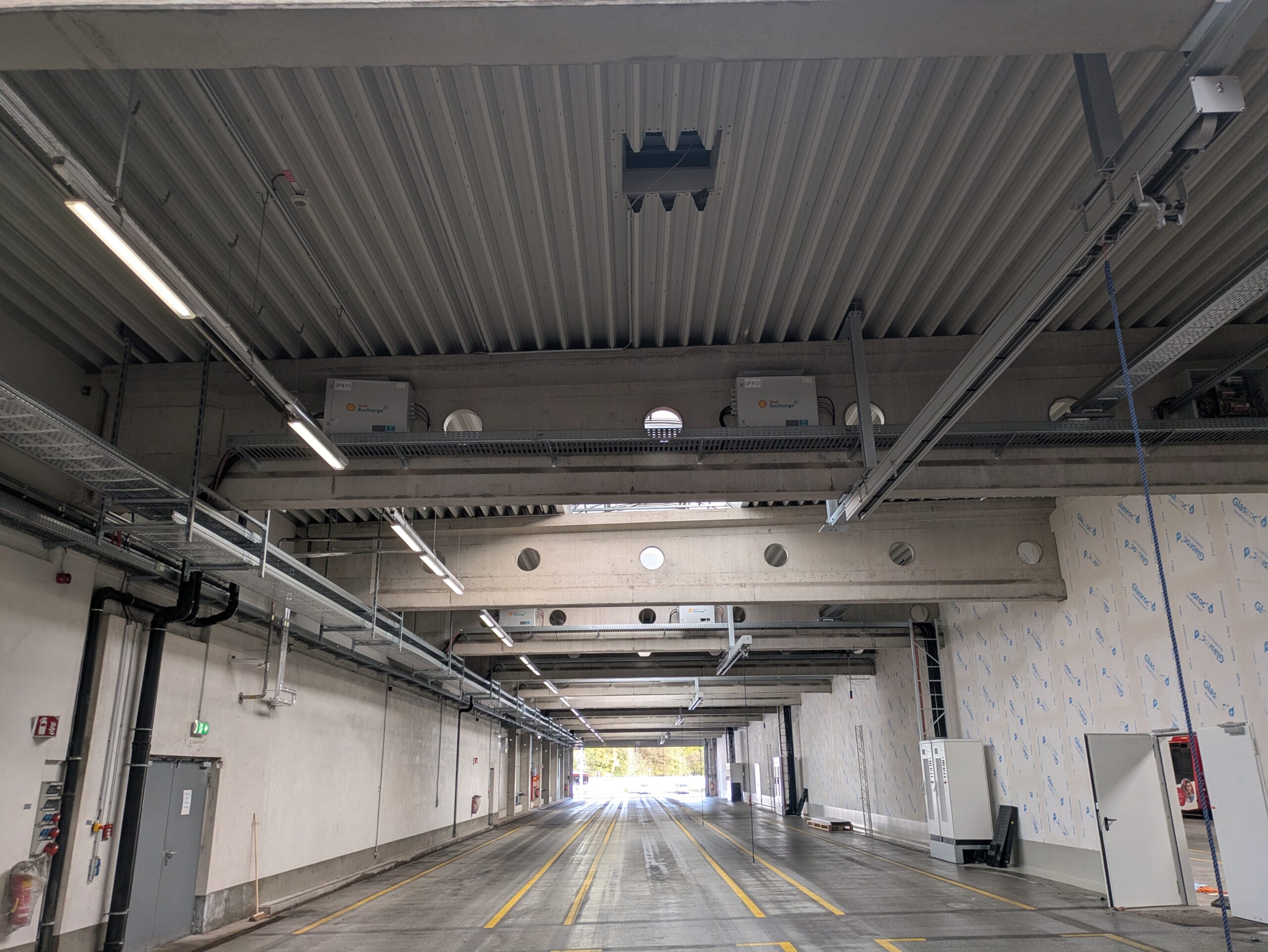
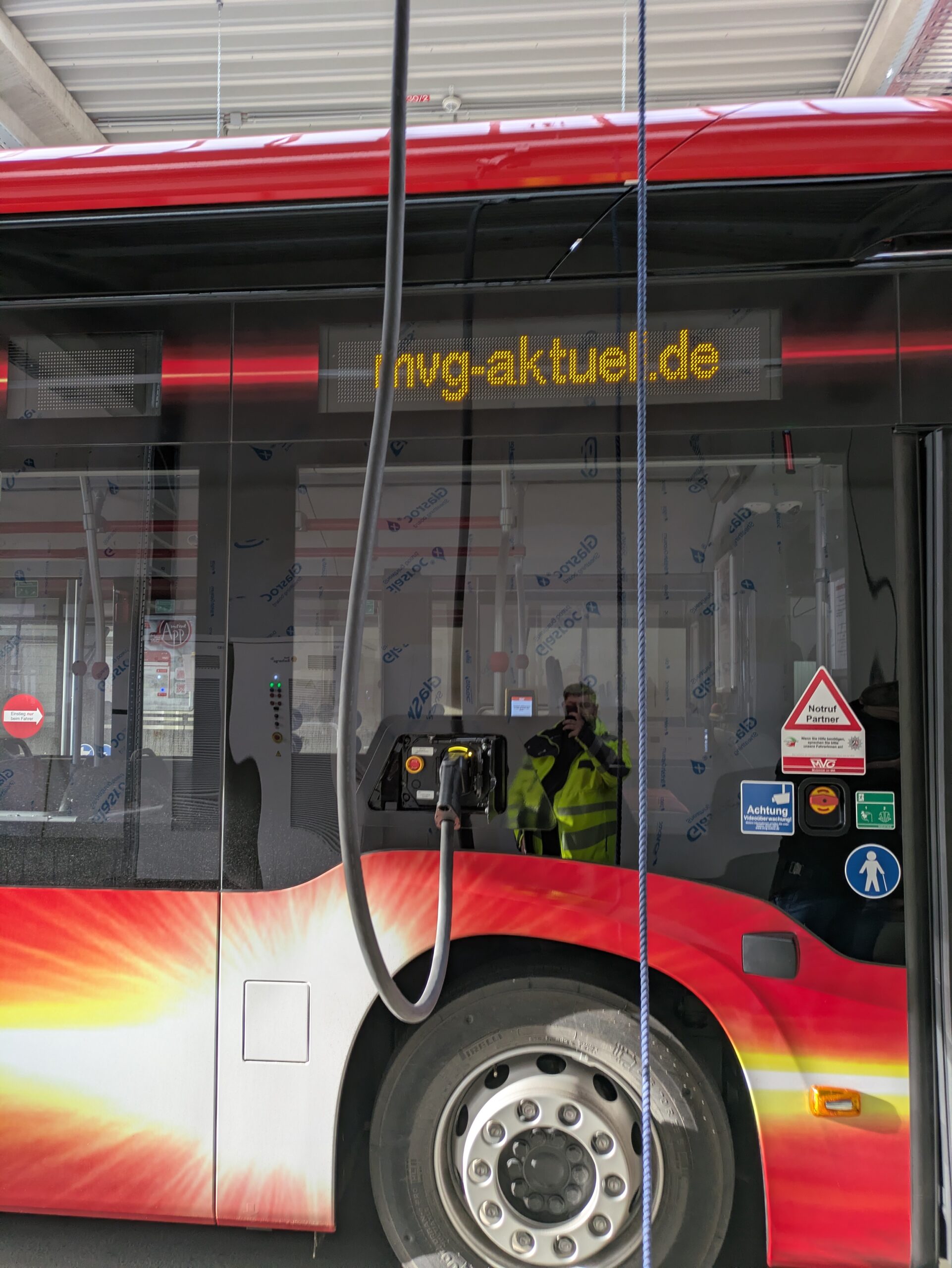
SBRS GmbH is delighted to announce the successful completion of the first expansion stage of the new high‑performance charging infrastructure for zero‑emission public transport in Lüdenscheid.
The project was carried out in close collaboration with our partners, one responsible for civil engineering, and one, who managed the installation and electrical work.
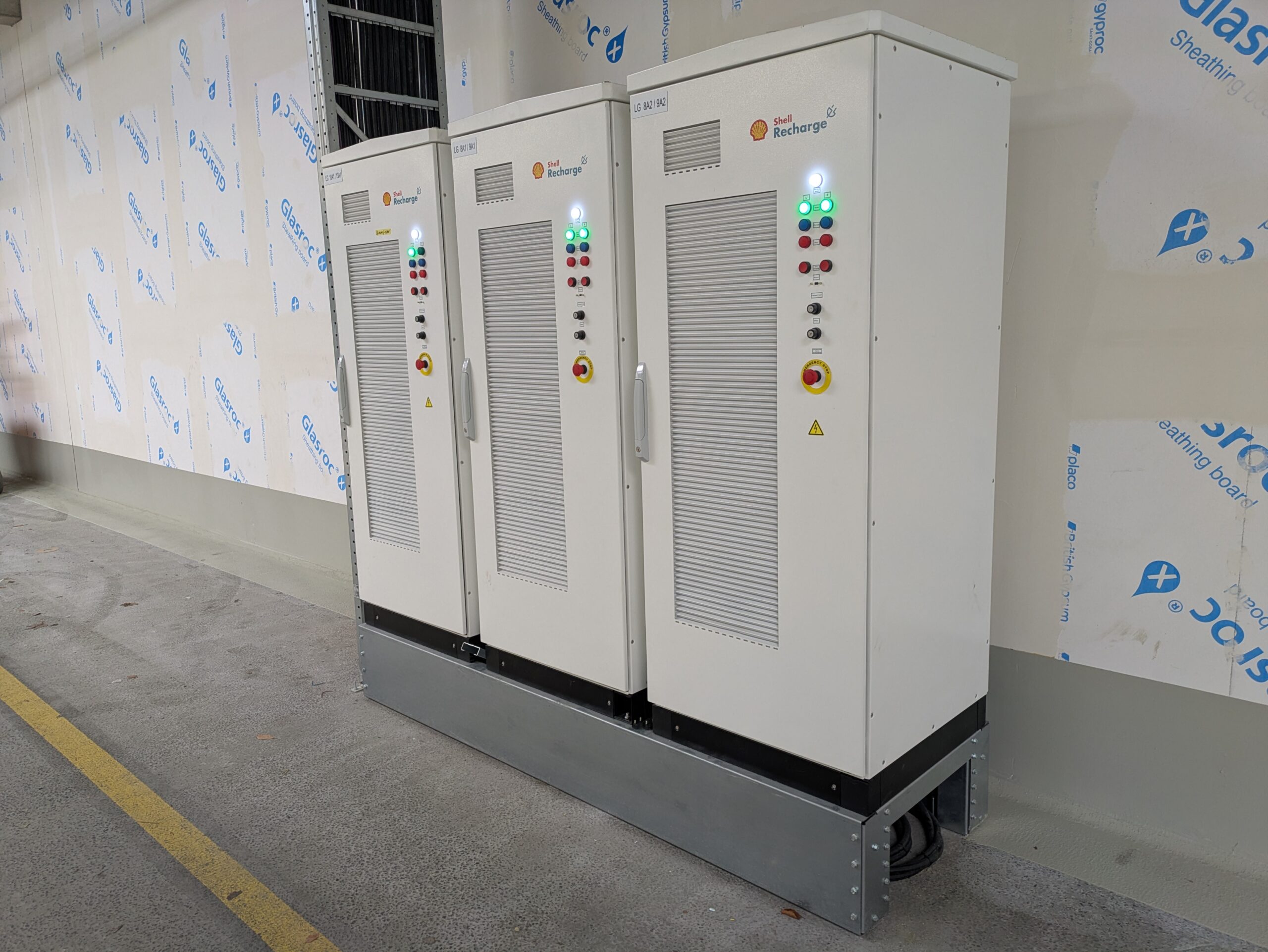
Within this initial project phase, 21 charging points for 21 electric buses were installed. The system is equipped with advanced Twin technology, enabling a single charger to supply two charging points with maximum flexibility. Each charging point delivers up to 180 kW, and the charging power can be configured in several ways depending on operational requirements:
- simultaneous charging of two buses at 90 kW each,
- parallel charging at 120 kW and 60 kW, or
- full power of 180 kW for a single vehicle.
Looking ahead, an expansion to as many as 69 charging points is currently under evaluation and may be implemented in stages over the coming years to meet increasing demand.
One of the most significant challenges of the project was the need to carry out extensive civil engineering and complex technical installations without interrupting ongoing operations at the depot. This required a high level of coordination, precision, and careful planning—particularly due to stringent and technically demanding fire‑protection requirements. Despite these constraints, commissioning was completed successfully in November.
In an exceptionally short time, we have created a charging solution that not only meets current operational needs but also provides a scalable foundation for future growth. This project marks an important milestone for sustainable mobility in the region and actively supports the transition toward cleaner, zero‑emission public transport.
The charging infrastructure has now been fully implemented. The project was supported financially by the State of North Rhine‑Westphalia, with funding based on Section 13 (1) No. 6 of the Public Transport Act of North Rhine‑Westphalia.
Project Manager Branko Ilievski emphasizes:
“I am proud that we managed, together with our partners, to install a complete station within such a short time—one that has been thoughtfully designed for future expansion—and to equip three lanes of the bus depot with a total of 21 charging points.”